The Network
What's it About?
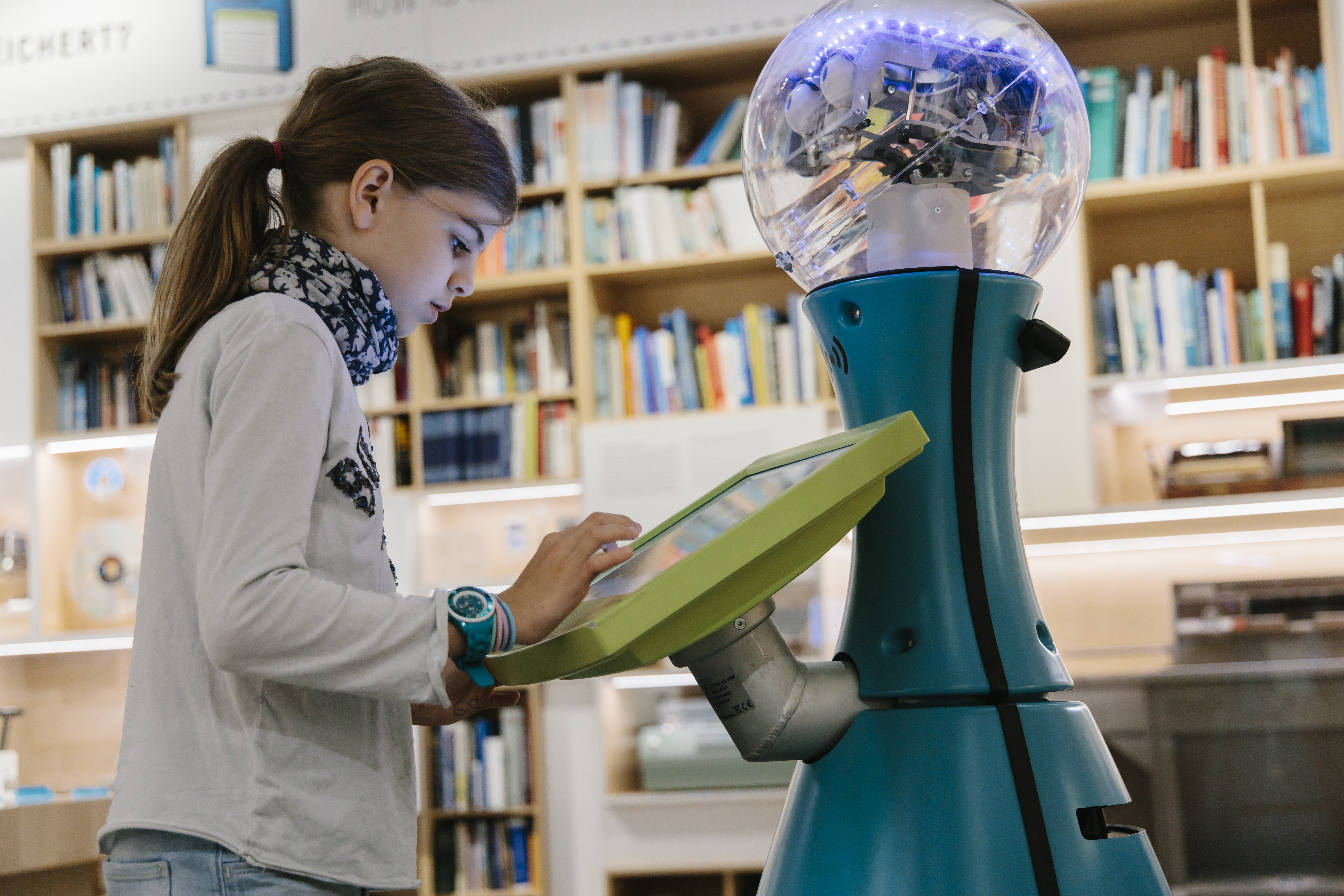
The exhibition “The Network: People, Cables, Data Streams” brings 200 years of technological networking to life. In this interactive exhibition, the robot TIM shows visitors the way.
We want to network
How do information and communication networks work? How are they changing our daily lives? And: Why do we actually connect with one another? Through a wide range of exhibits, this exhibition shows how we fulfill our desire to connect. These include, for example, the desk phones from the Ballhaus Resi in Berlin-Kreuzberg, the first transatlantic cable — which made telegraphy between the U.S. and Europe possible in 1858 — or the modem that activists used to circumvent the government’s internet blockade during the “Arab Spring” in Egypt in 2011.
People and their ideas are the driving forces behind networking — from the telegraph to the telephone, from BTX to the Internet. We build information and communication networks, and at the same time, we are part of them. The exhibition “The Network”, which opened in 2015 in the historic Ladestraße building, brings the history of modern networking to life through more than 500 objects from all areas of the collection.
"The Network" from Three Perspectives
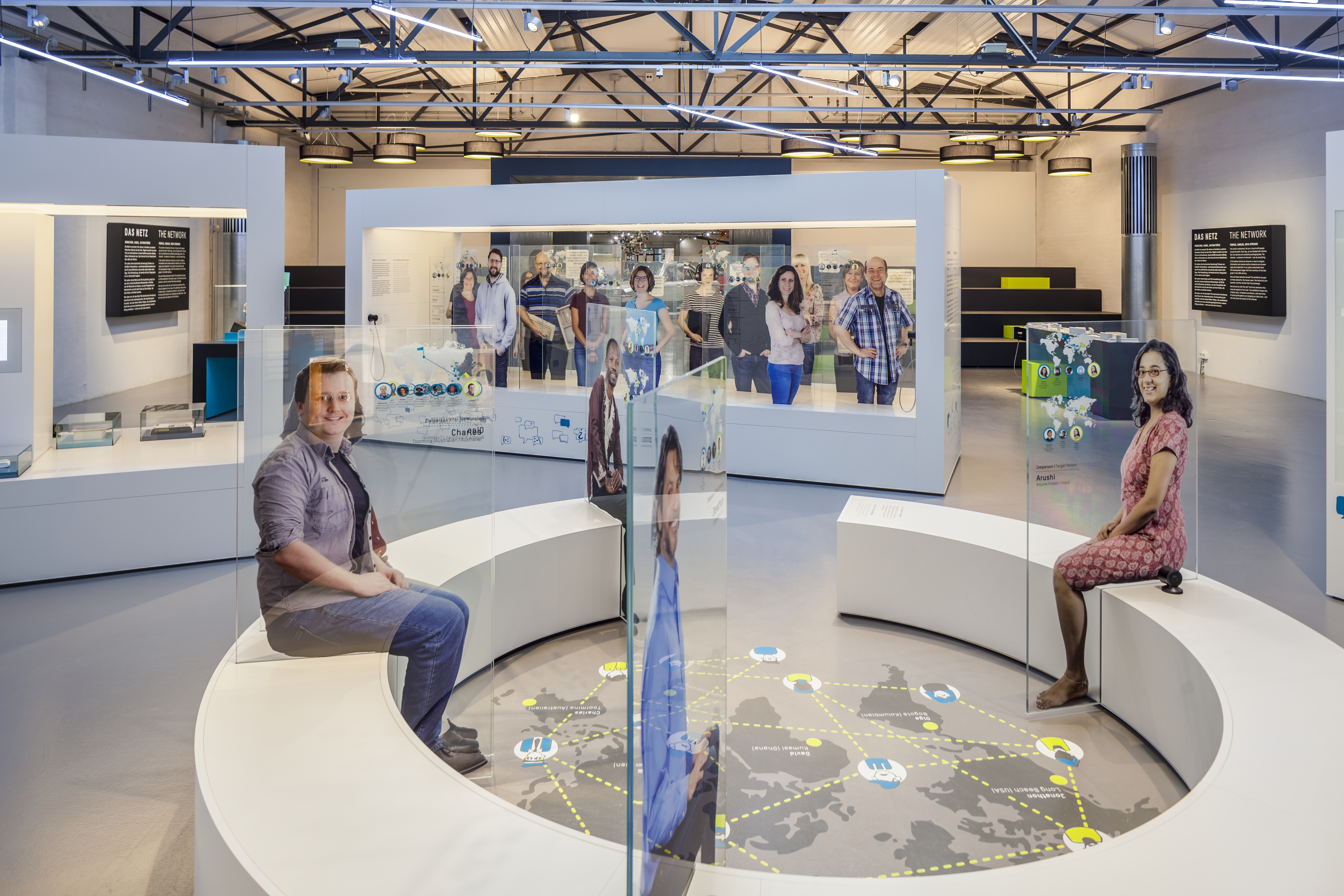
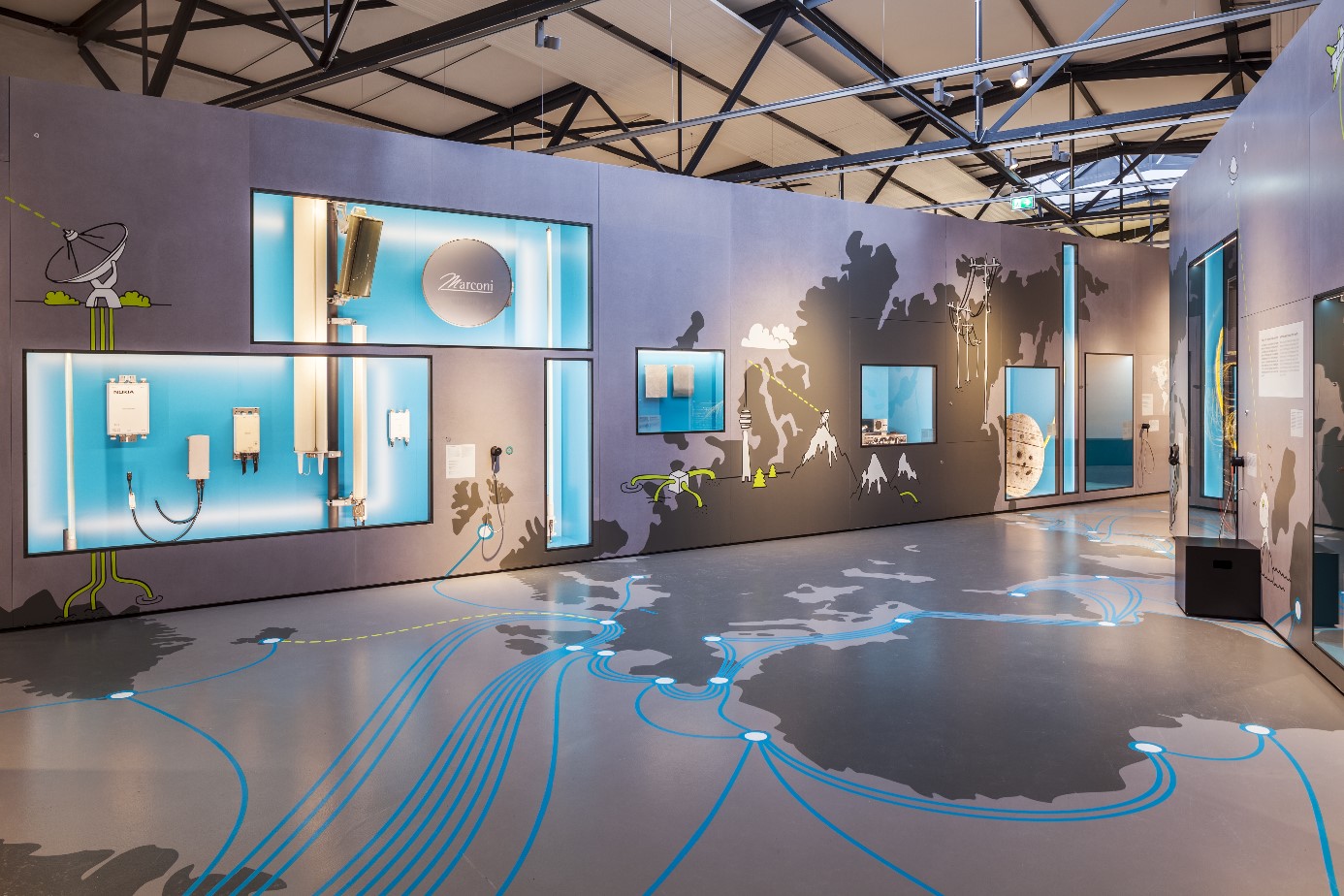
Spanning 1,600 square meters, the permanent exhibition offers insights into the interconnected world. The exhibition is organized into three main sections, which explore interconnectedness from the perspectives of users, technology, and network content.
- CONNECT. We are the network: Who is part of the network, and what barriers exist? What information do we share online, and how can we protect ourselves? How is this ubiquitous connectivity changing our behavior—for better or for worse?
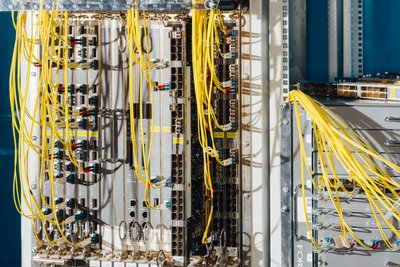
- BACKBONE. Network Technology: Without technical infrastructure, we can neither order a pizza on our cell phones nor track its journey to our front door. BACKBONE explains the technology behind the scenes that makes networking possible in the first place: How does a message find its way through the Internet, and what nodes make up the network?
- INFORMATION. Knowledge on the Web: For over 2,000 years, libraries have been places of connection where we share information. Today, the internet provides each and every one of us with data, information, and knowledge—from the latest scientific article to the cutest cat video of the week. INFORMATION explores techniques for generating knowledge and examines their societal implications: Who owns knowledge? How can we control our data amid the tension between data protection and Big Data?
Experience the Network
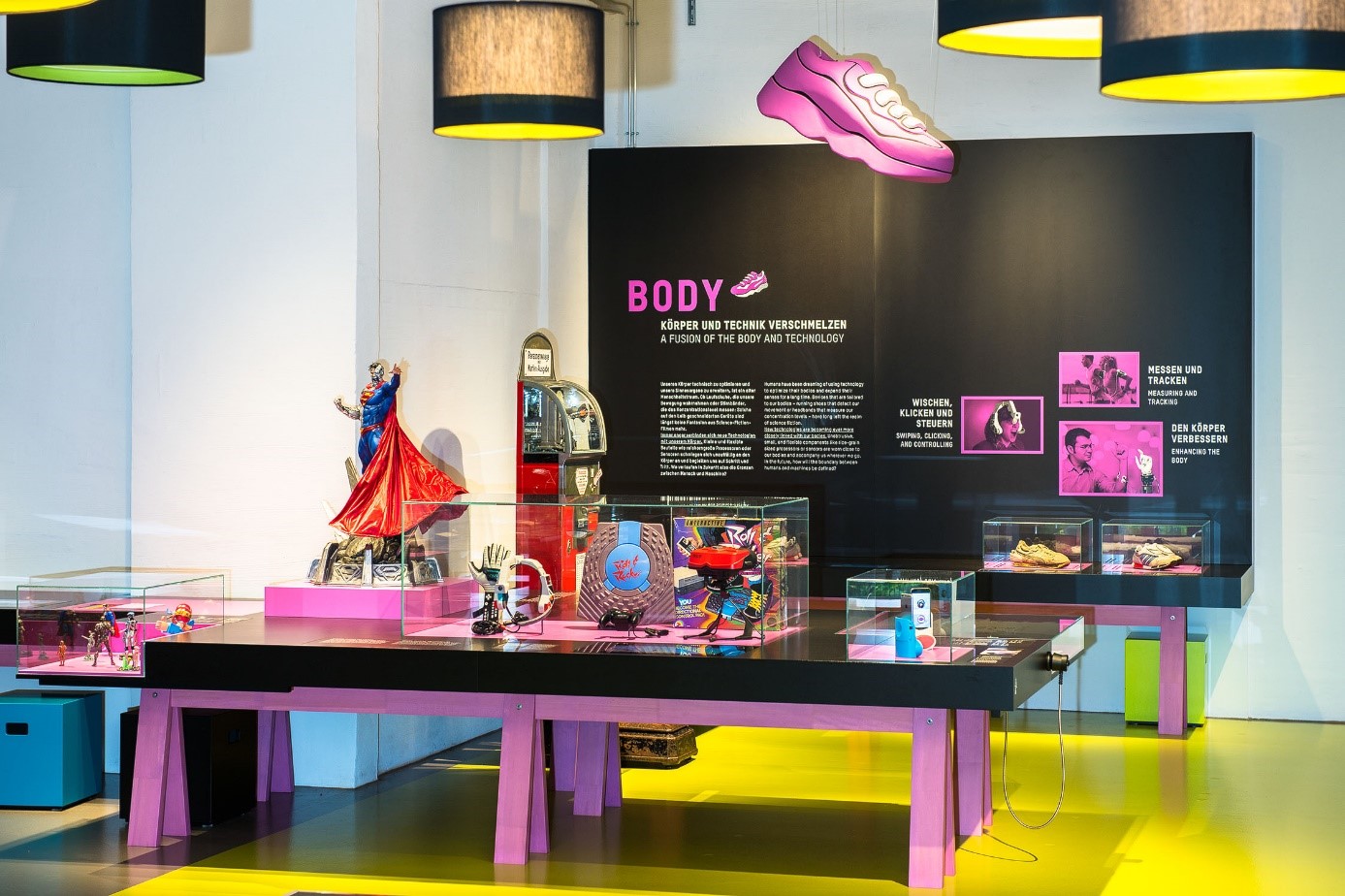
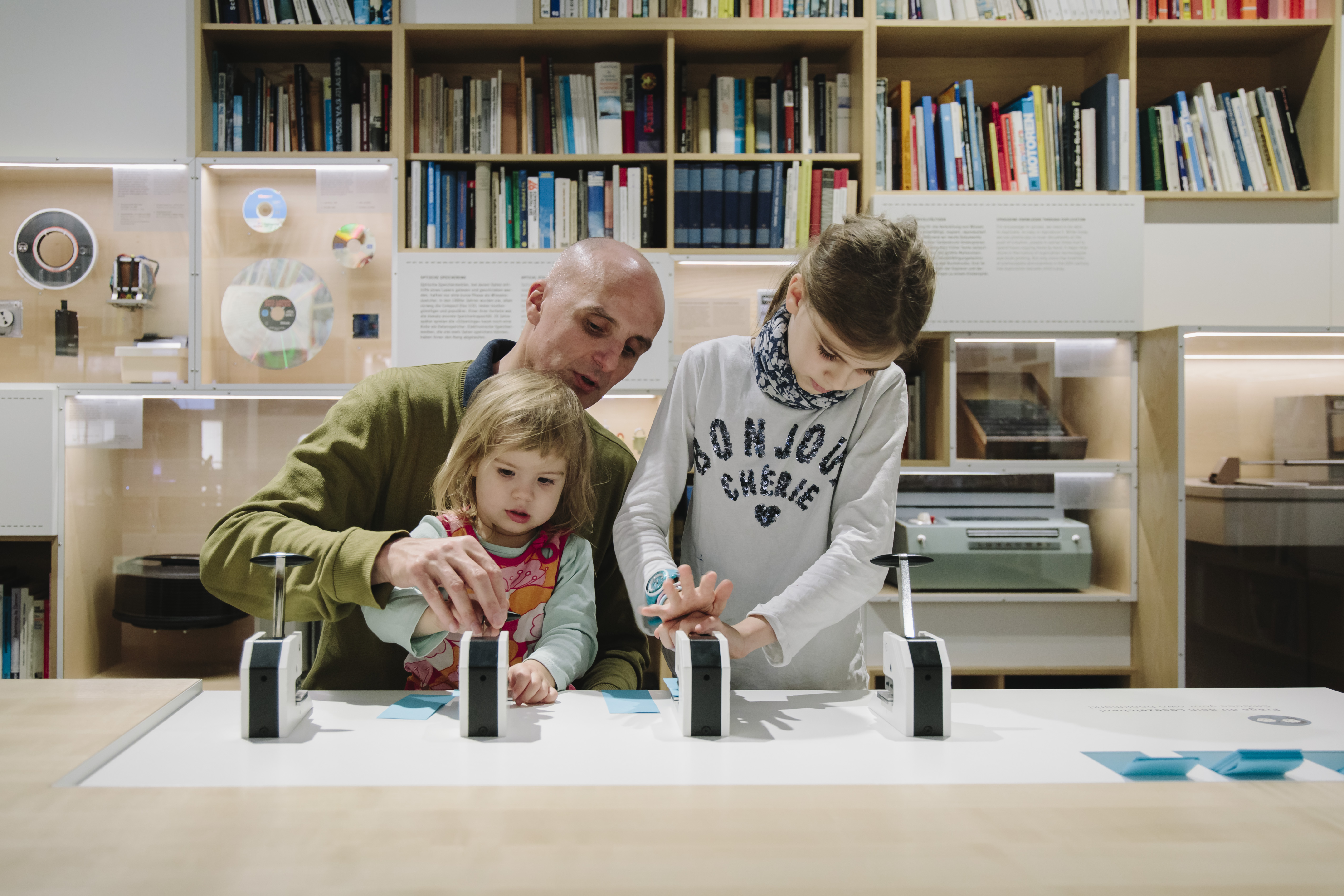
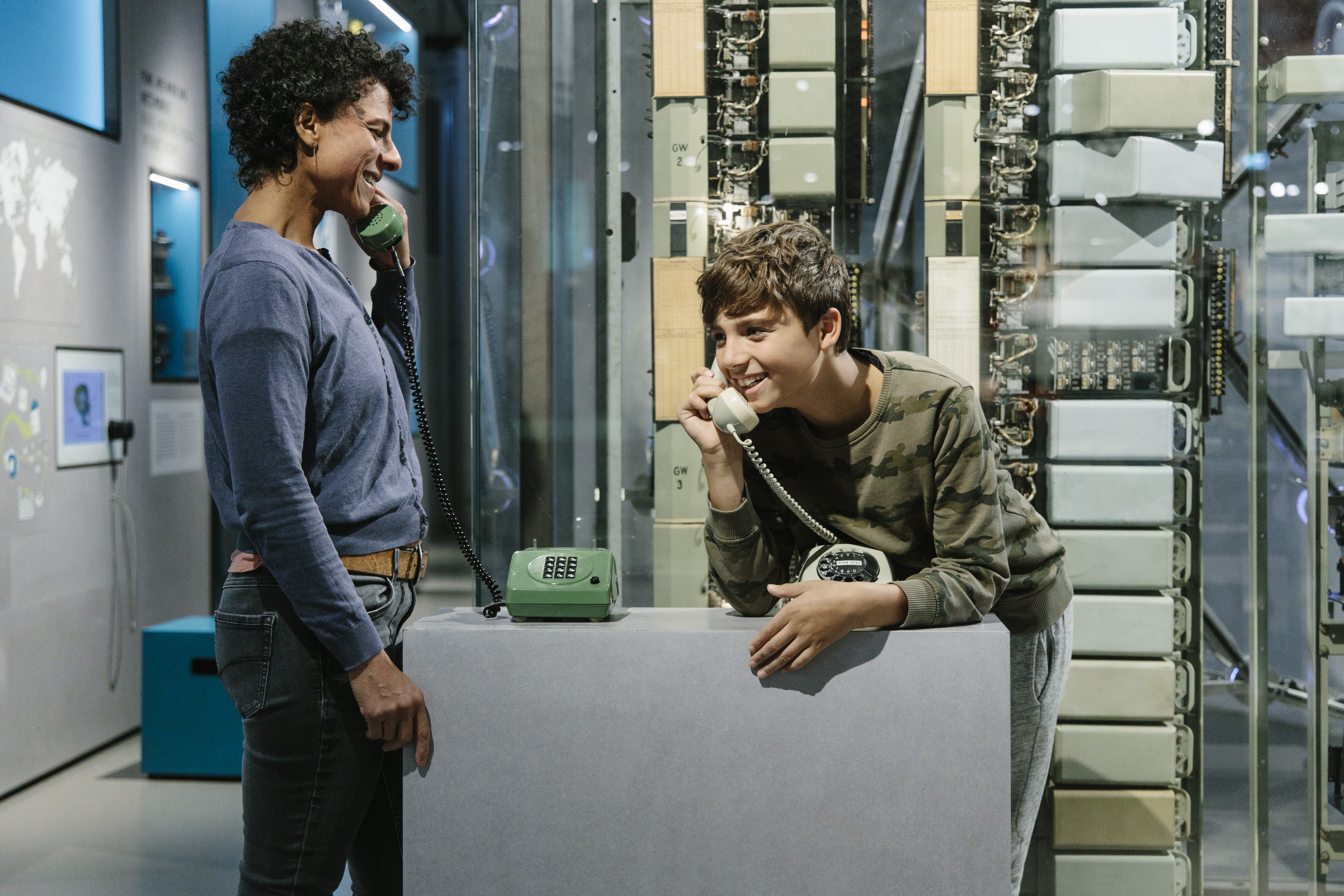
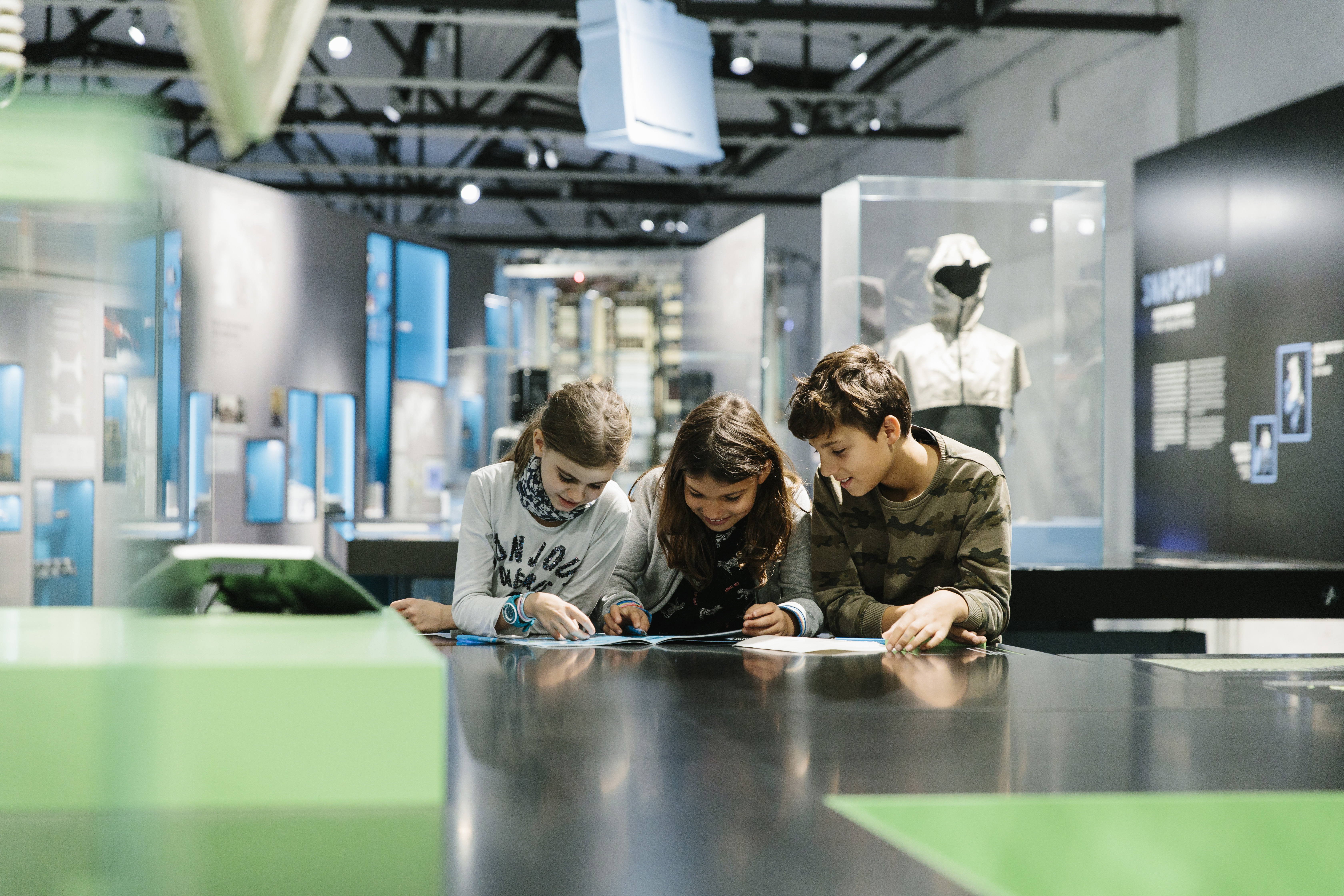
Through numerous “hands-on” stations designed for exploration and experimentation, the exhibition explains how network technologies work and how we use them. The historical background of today’s technology also plays a constant role — whether the topic is smart toilet seats, video games, or facial recognition. We also ask who produces and controls knowledge, which data giants are hungry for our data, and how network technology is changing our perception of the body. Thematic sections such as BODY, OFFICE, HOME, and SHOPPING explore the role of technology in different areas of our lives. And for those who love technology even more, we invite you to take a tour with TIM, the museum’s mobile robot, who will guide you to the most important exhibits.
New on the Network
In our "New on the Network" showcase, we're currently featuring a transceiver and a Wi-Fi access point from Huawei. Both are already 5G-compatible. But what exactly are the pros and cons of this new mobile communication standard?
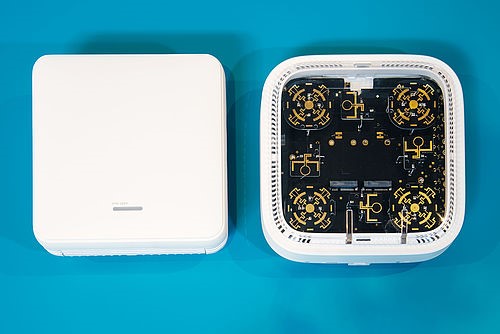
The Fifth Generation
The term "5G" is frequently used by the media. But what exactly does 5G mean? It stands for "5th Generation" and denotes the newest cellular standard.
Cellular communication standards prescribe which technologies and norms are required for a network to function with the end devices, antennas and infrastructures it is meant to serve. 5G is considerably more efficient than the previous LTE/4G standard. A 5G network has much faster reaction times, which is important for certain applications such as, for example, autonomous driving. The drawback for 5G is the large number of transmission masts required and the resulting increased exposure to electromagnetic radiation.
Although the expansion of 5G networks is progressing rapidly in Germany, it will take years before the highest performance standard can be provided nationwide. At the moment, 5G is being tested primarily in limited campus networks and indoor spaces where existing WiFi networks are being expanded and their speeds increased.
Objects pertaining to 5G technology are currently being exhibited in the “New in The Network” display case found in “The Network” permanent exhibition located in the Ladestraße.
5G Transceiver, Huawei 2020.
Euro2 WiFi 6 Access Point, Huawei 2020.
Inv.-No.: L/2021/0175 0, Inv.-Nr.: L/2021/0176 0
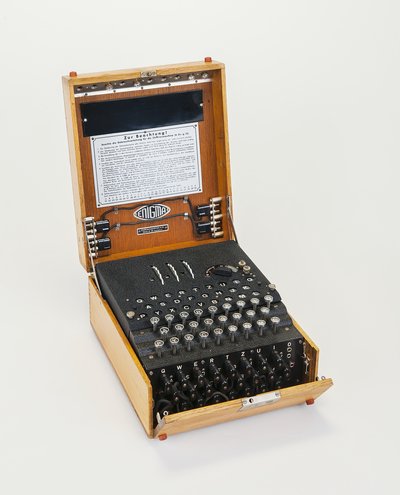
Enigma I Cipher Machine
The Enigma I was used by the German Wehrmacht during World War II to encrypt radio messages. Inside, it contained a sophisticated coding system with interchangeable rotors, plugs, and wires. The number of possible combinations exceeded 103 quadrillion, which is why the German Army High Command believed it to be “unbreakable.” However, mathematicians from Poland and Great Britain managed, after a great deal of effort, to decrypt the secret radio messages.
Chiffriermaschinen A.G., 1939
SDTB/ Photo: C. Kirchner
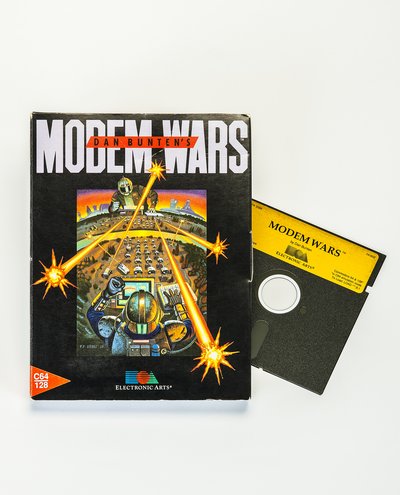
Computer Game: Modem Wars
The goal of the 1988 strategy game “Modem Wars” is to destroy the opponent's command center. “Modem Wars” was one of the first games that allowed two players to connect to each other via a modem and, consequently, over a telephone line. It was developed for the Commodore 64 — a popular home computer at the time — and its successor, the Commodore 128.
Electronic Arts, 1988
SDTB/ Photo: C. Kirchner
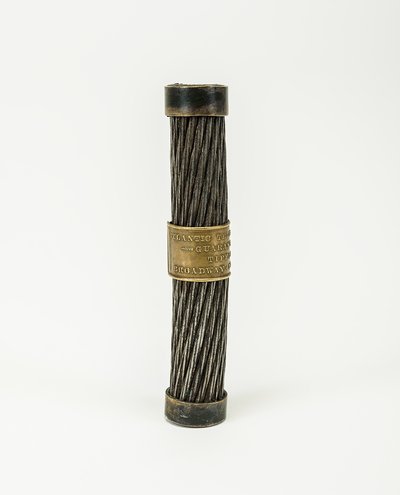
Transatlantic Cable
Seven thin copper wires, three layers of gutta-percha — a rubber-like material — followed by a jute thread soaked in oil, pitch, talc, and tar, plus a sheath of 18 strands, each consisting of seven iron wires: the first transatlantic telegraph cable was complete. More than 3,000 kilometers of cable were manufactured and laid beneath the Atlantic Ocean. On August 10, 1858, the first telegraphic message from America reached Europe.
Atlantic Telegraph Company, Tiffany & Co., 1858
SDTB/ Photo: C. Kirchner
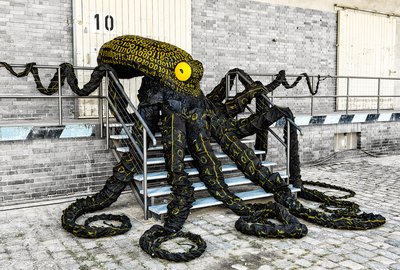
Otto the Data Octopus
Otto, the "data octopus," symbolizes the efforts of intelligence agencies, other government institutions, and private companies to collect data on citizens and customers. Otto served as the main "mascot" for the organization "Digitalcourage" during demonstrations in support of data protection.
Peter Ehrentraut/ Digitalcourage e.V., 2008
SDTB/ Photo: C. Kirchner