Rail Transport
What's it About?
This is particularly evident in the world of railroads: the history of technology is also the history of everyday human life. In our permanent exhibition on rail transportation, we showcase the history of impressive vehicles and everyone who has been involved with the railroad.
Revolution and Everyday Life
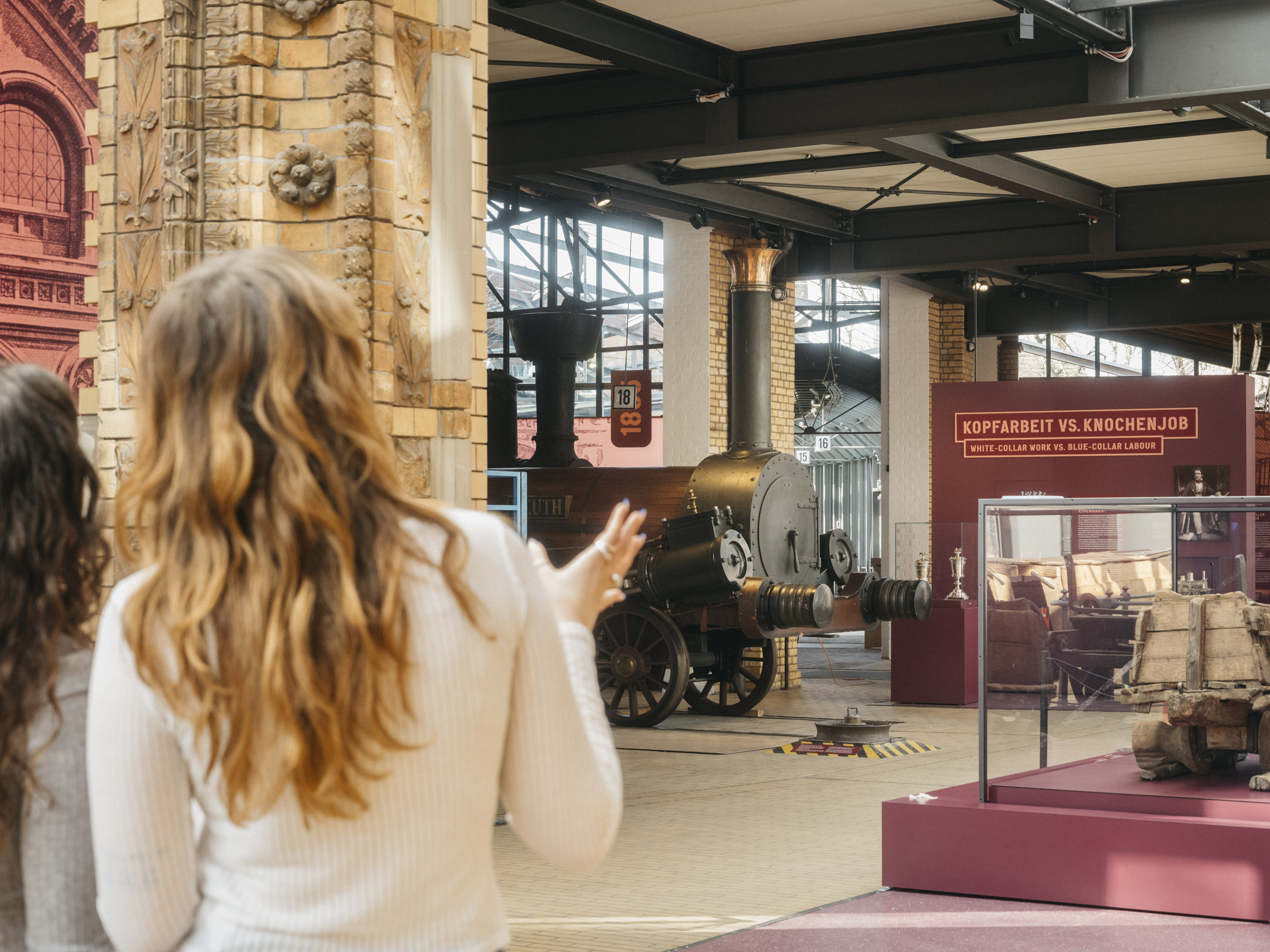
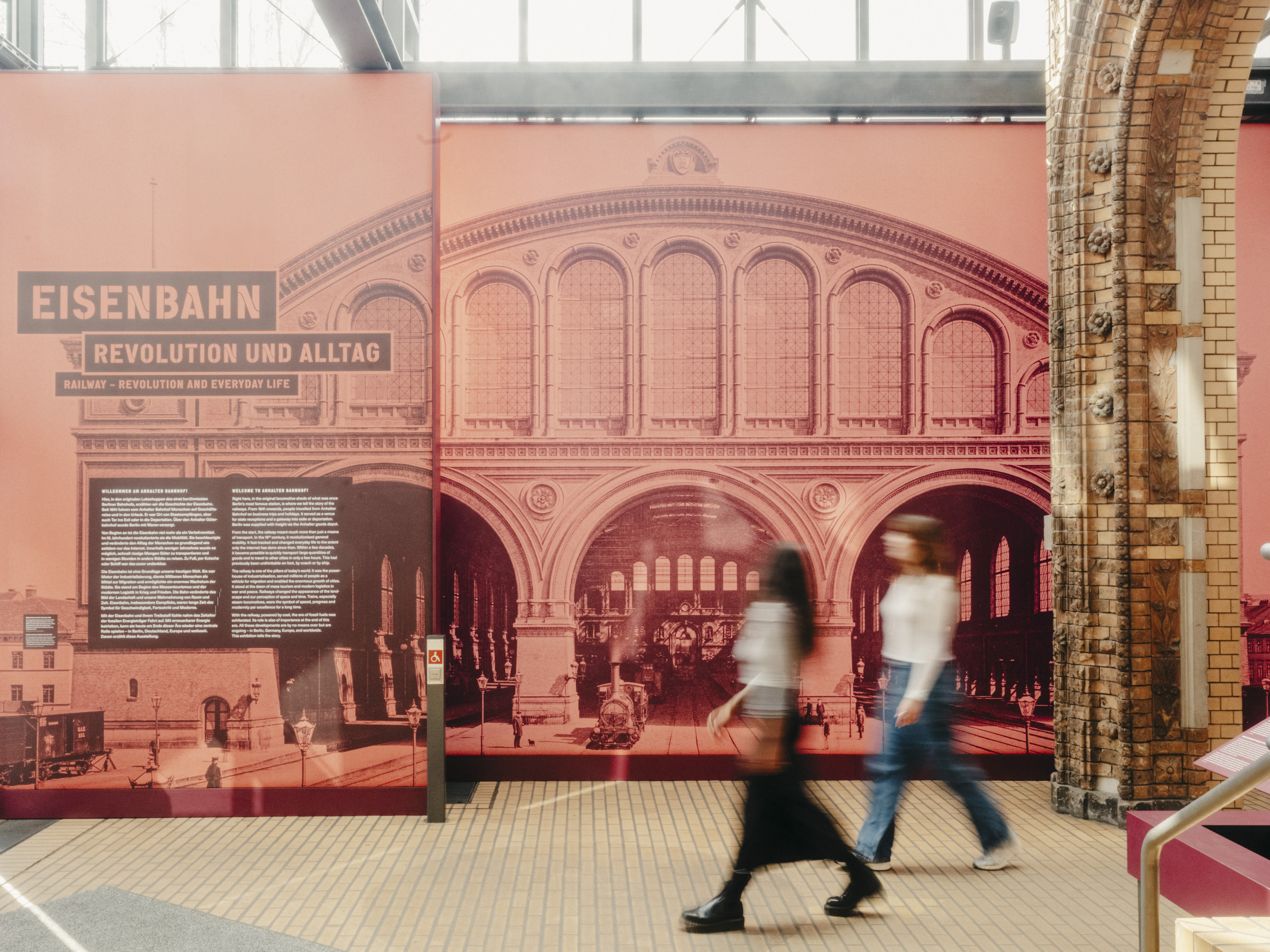
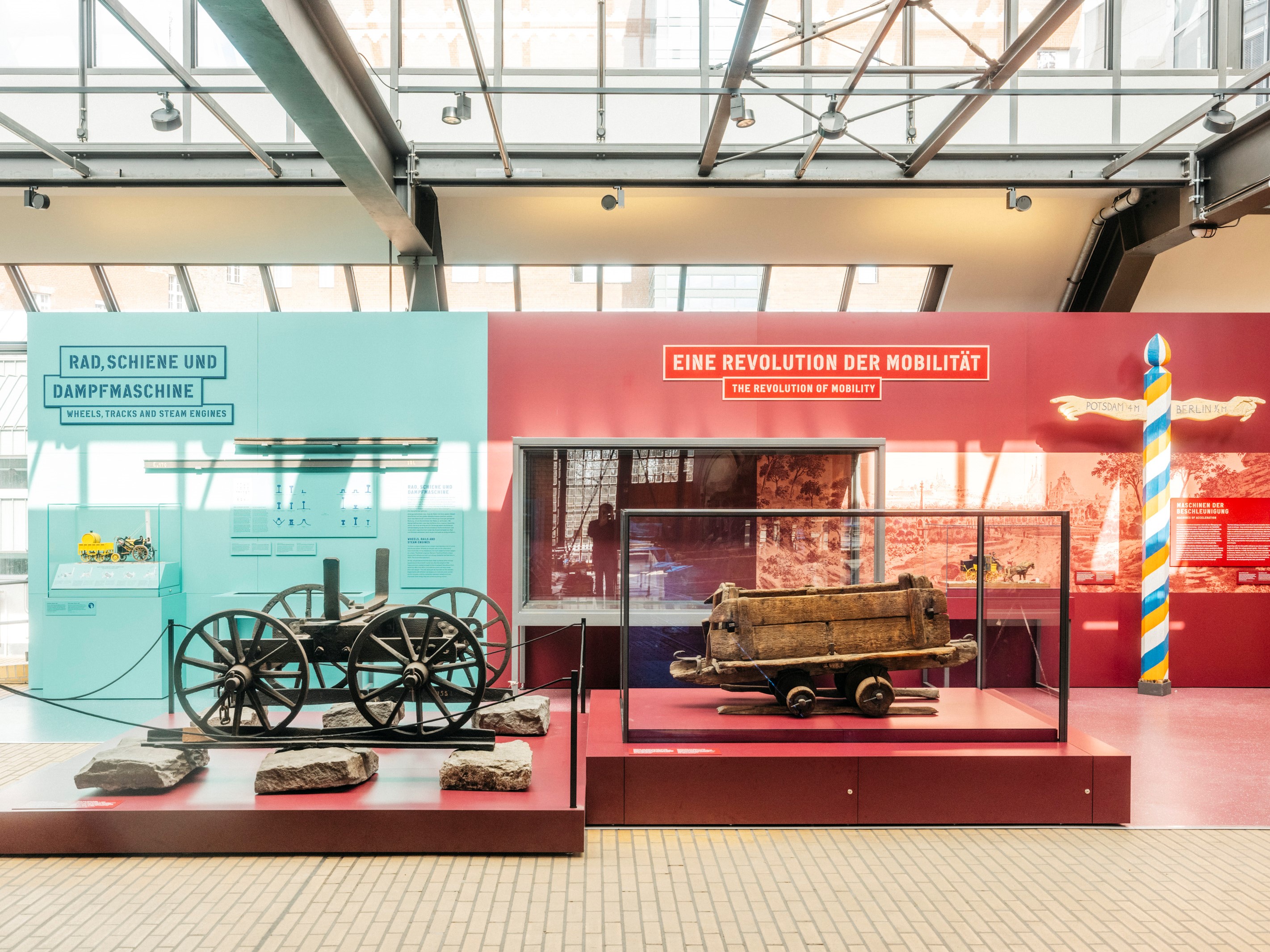
The new permanent exhibition, “Railway: Revolution and Everyday Life,” shows how this mode of transportation fundamentally changed people’s lives. For example, railroads facilitated large-scale migration and gave rise to time zones. The exhibition centers on the museum’s unique collection, which includes the oldest surviving streetcar: a Berlin horse-drawn streetcar from 1865.
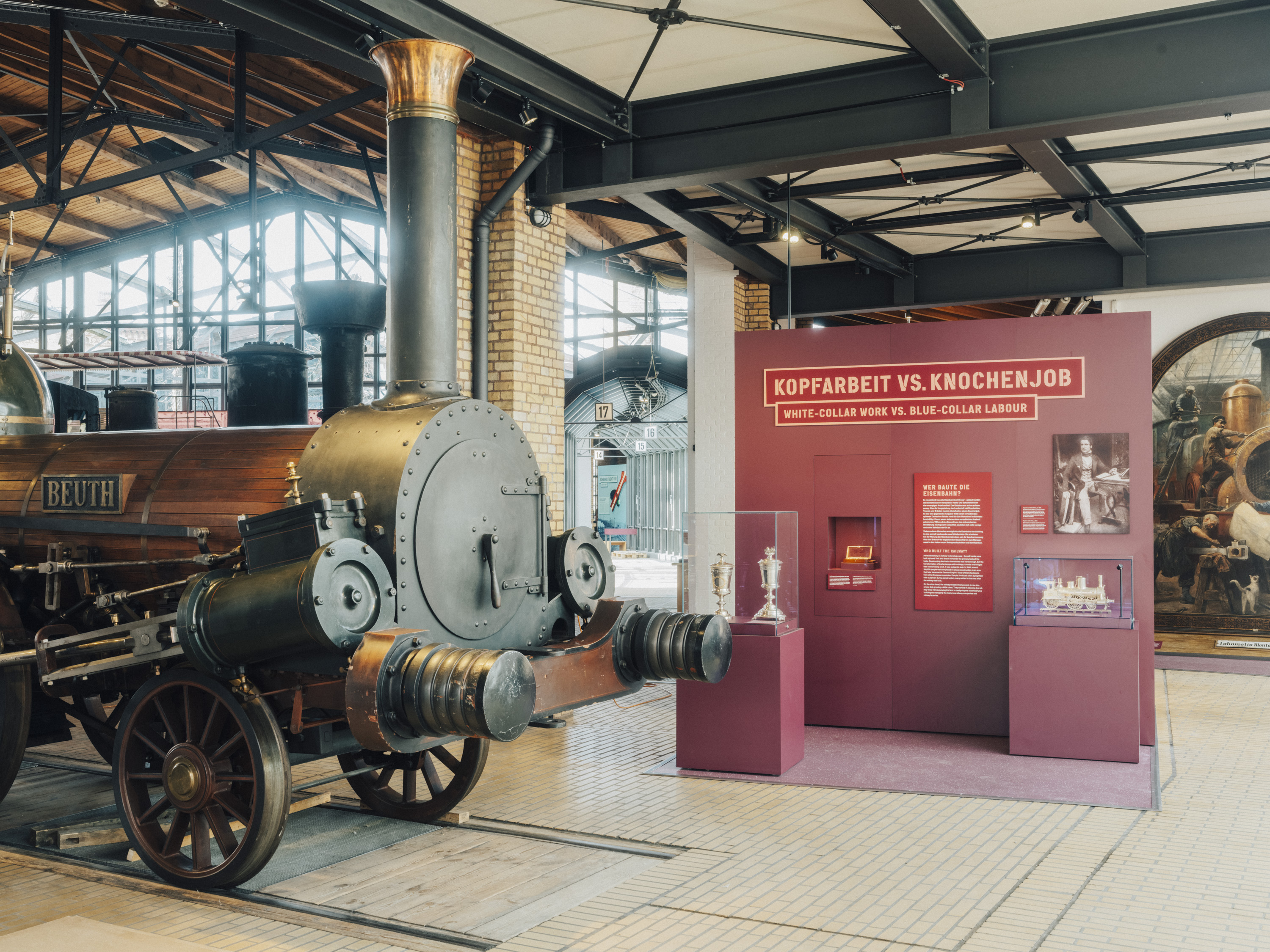
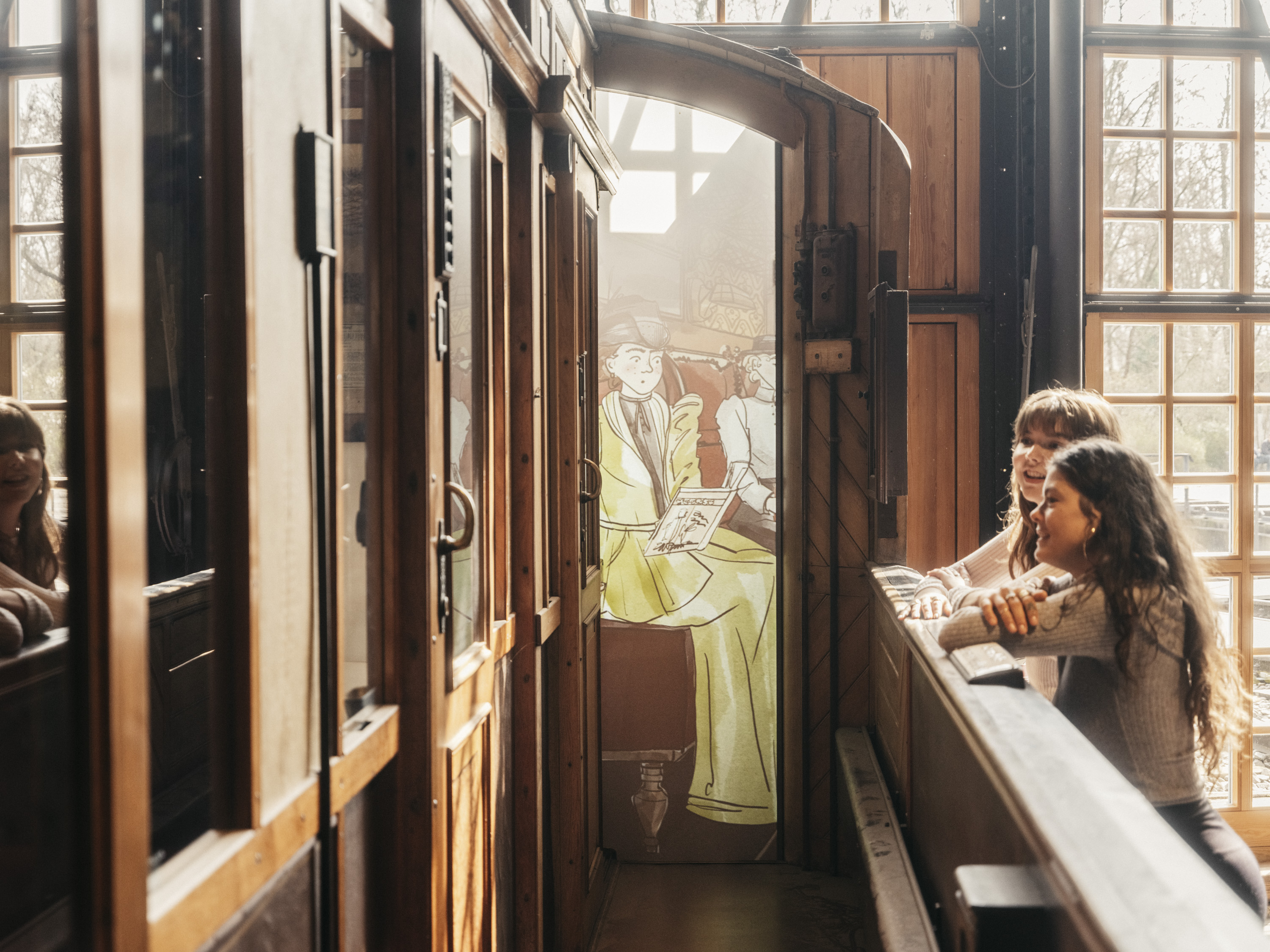
In the historic Locomotive Shed I, colorful exhibition islands now structure the tour. Media installations and interactive stations invite visitors to explore, while animated films tell the stories of key exhibits. The section of the permanent exhibition, which reopened in 2024, covers the period from the early days of the railroad 200 years ago through 1914. Soon, the rest of the exhibition will also be revamped to cover the present and future of rail transportation.
Funded by the Lotto Foundation Berlin.
How the Railway Set Society in Motion
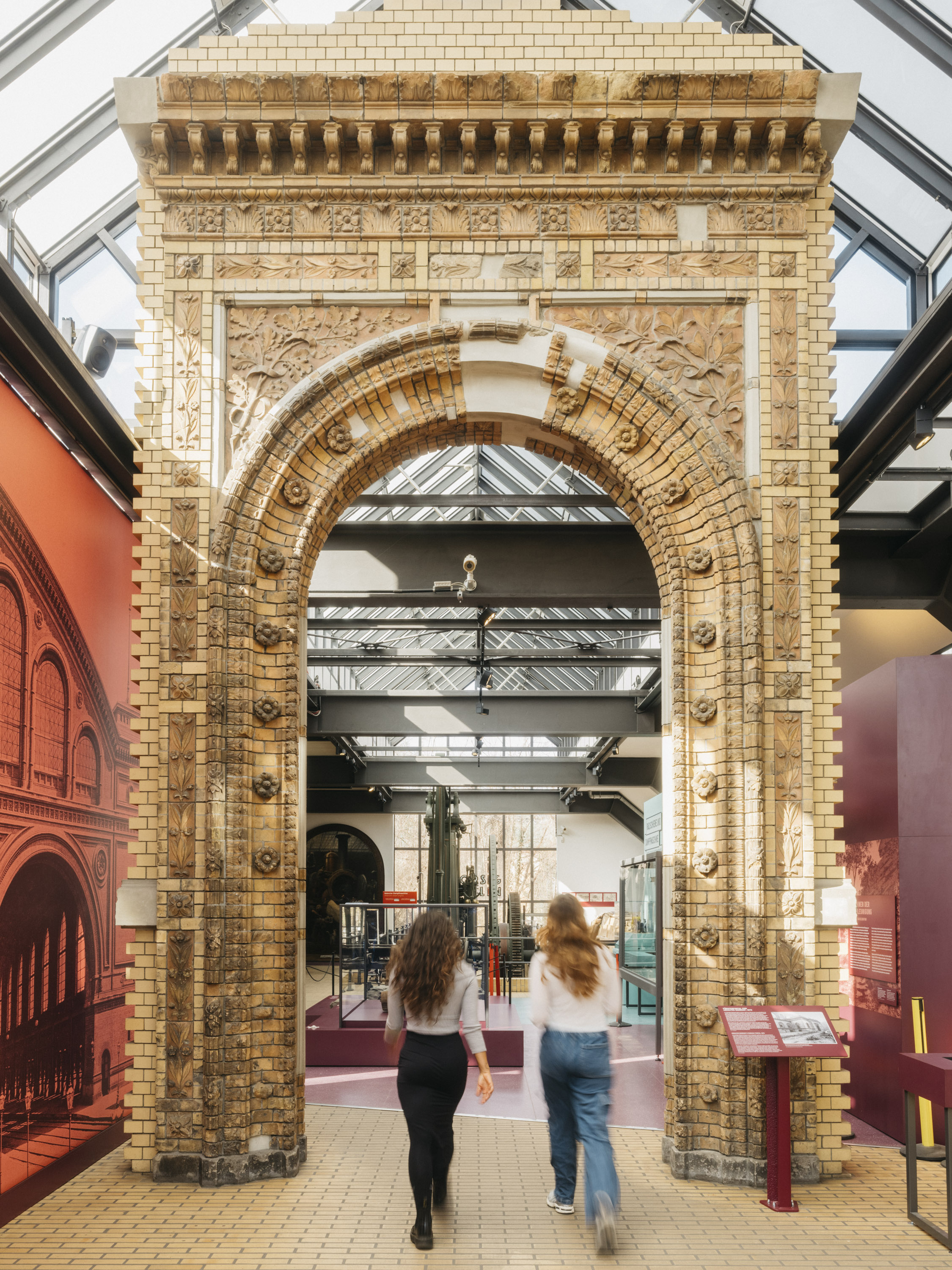
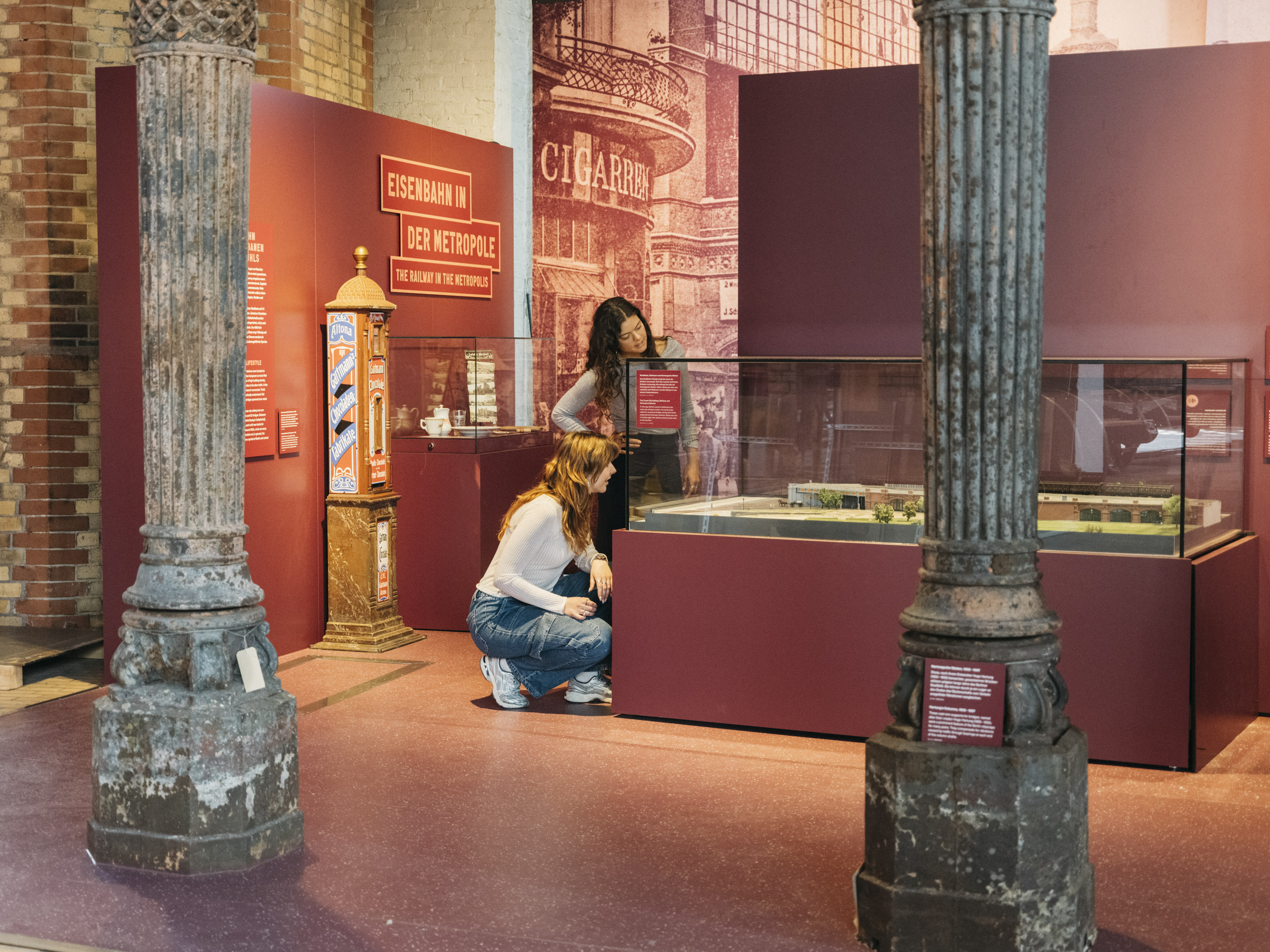
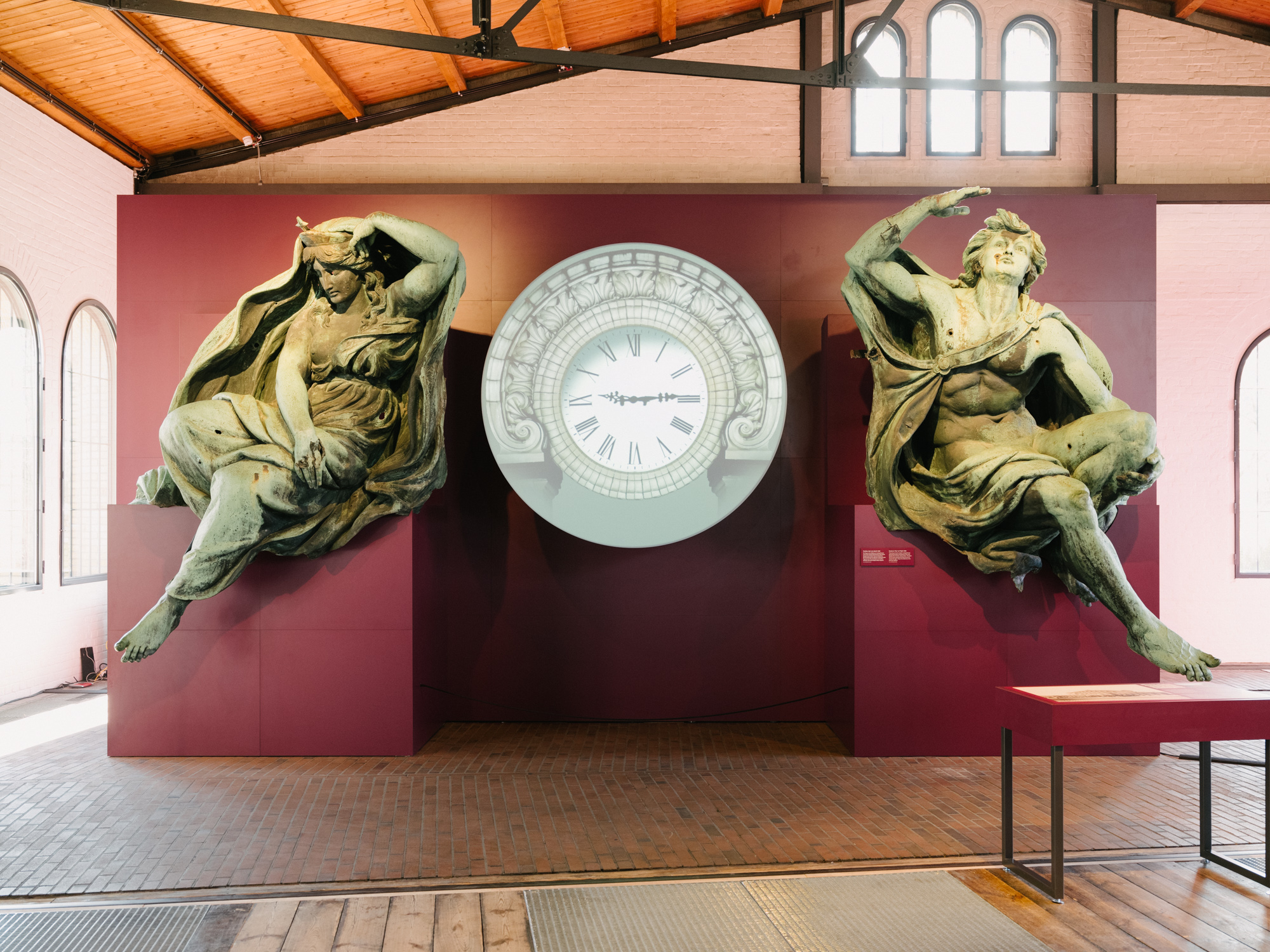
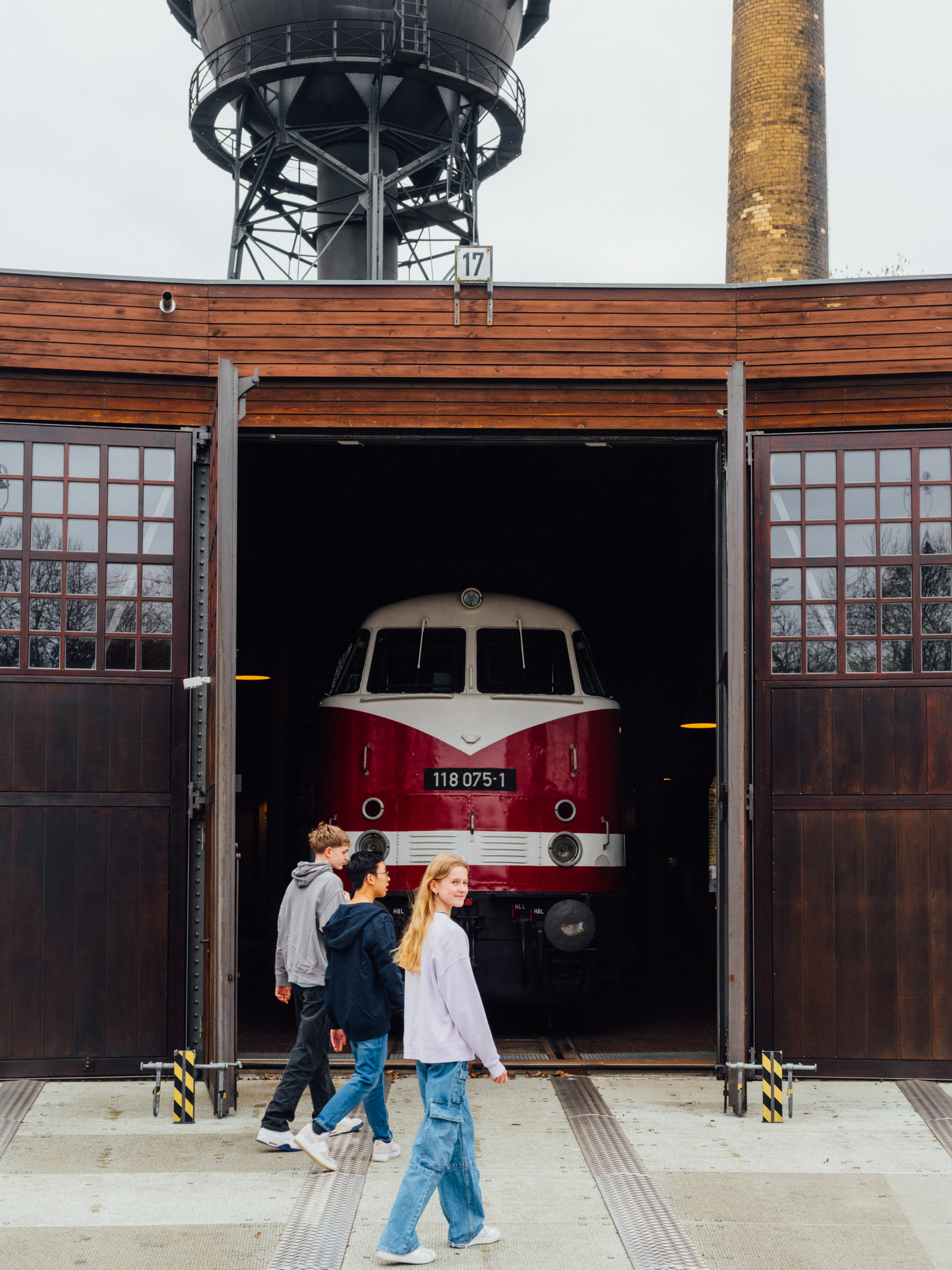
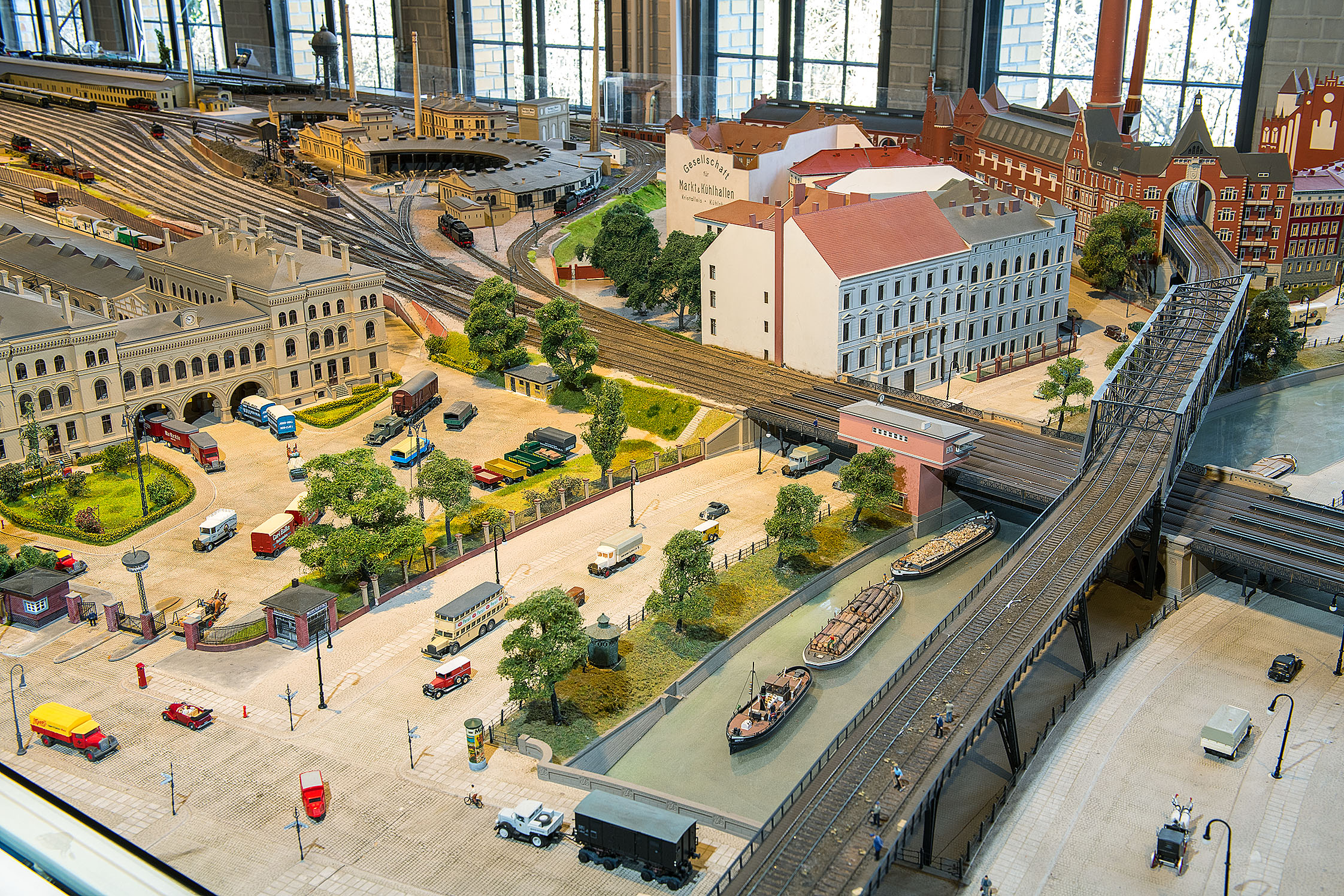
Anhalter Bahnhof was the largest of Berlin’s legendary pre-war terminus stations. Its monumental station building was demolished after sustaining war damage—except for a small fragment at Askanischer Platz. Other architectural elements are preserved today at the Deutsches Technikmuseum, such as the so-called “Fürstenportal” (Princely Portal), which once led to the waiting room for “Their Highnesses and Most Highnesses.” Today, the portal serves as the entrance to the two historic locomotive sheds dating from 1874, where the museum presents 150 years of German railway history across 6,000 square meters. The locomotive sheds, each with a turntable located outdoors in front of it, thus constitute the largest exhibit and serve as a reminder of the elaborate infrastructure required to operate the railway system.
The Smell of Soot and Oil
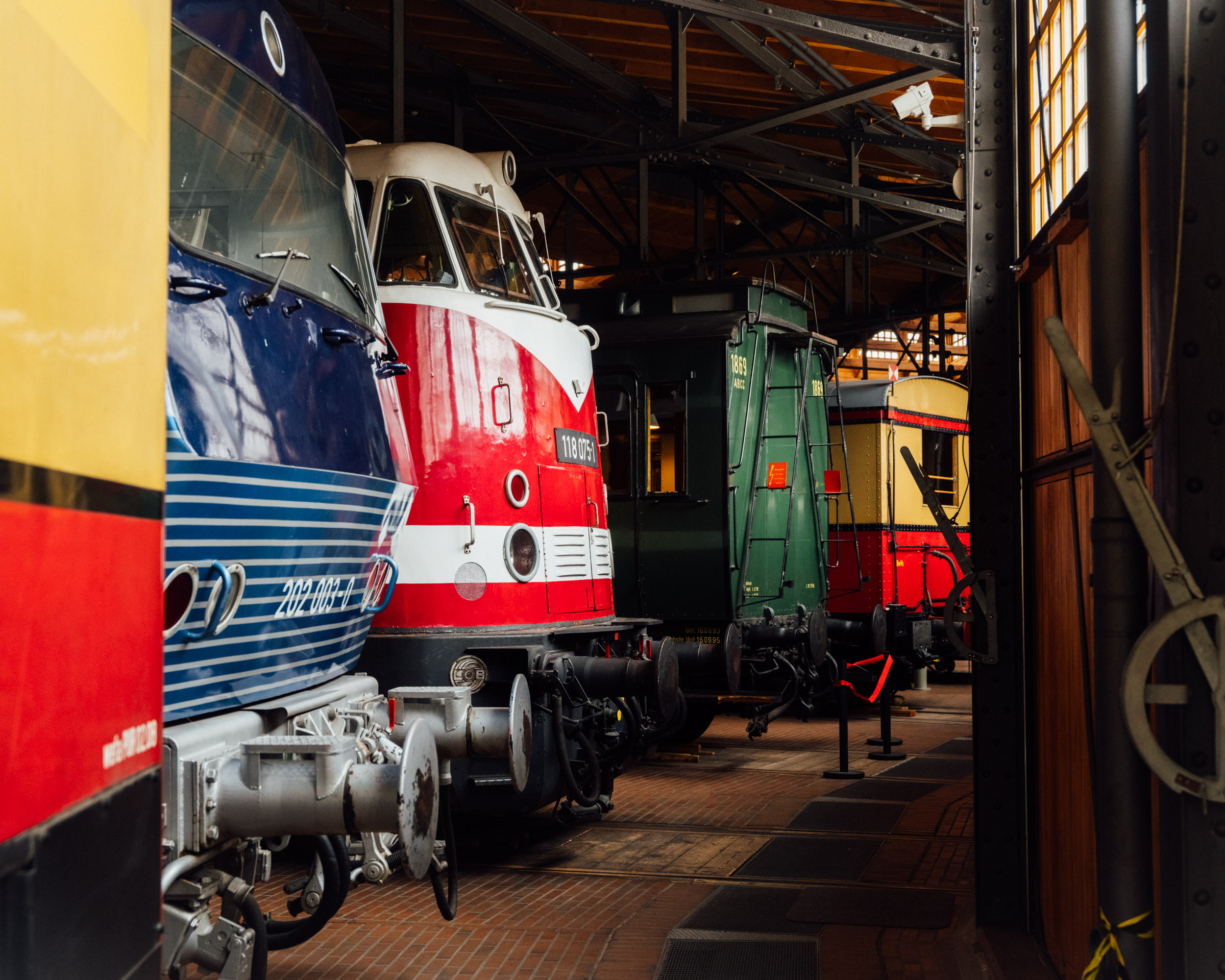
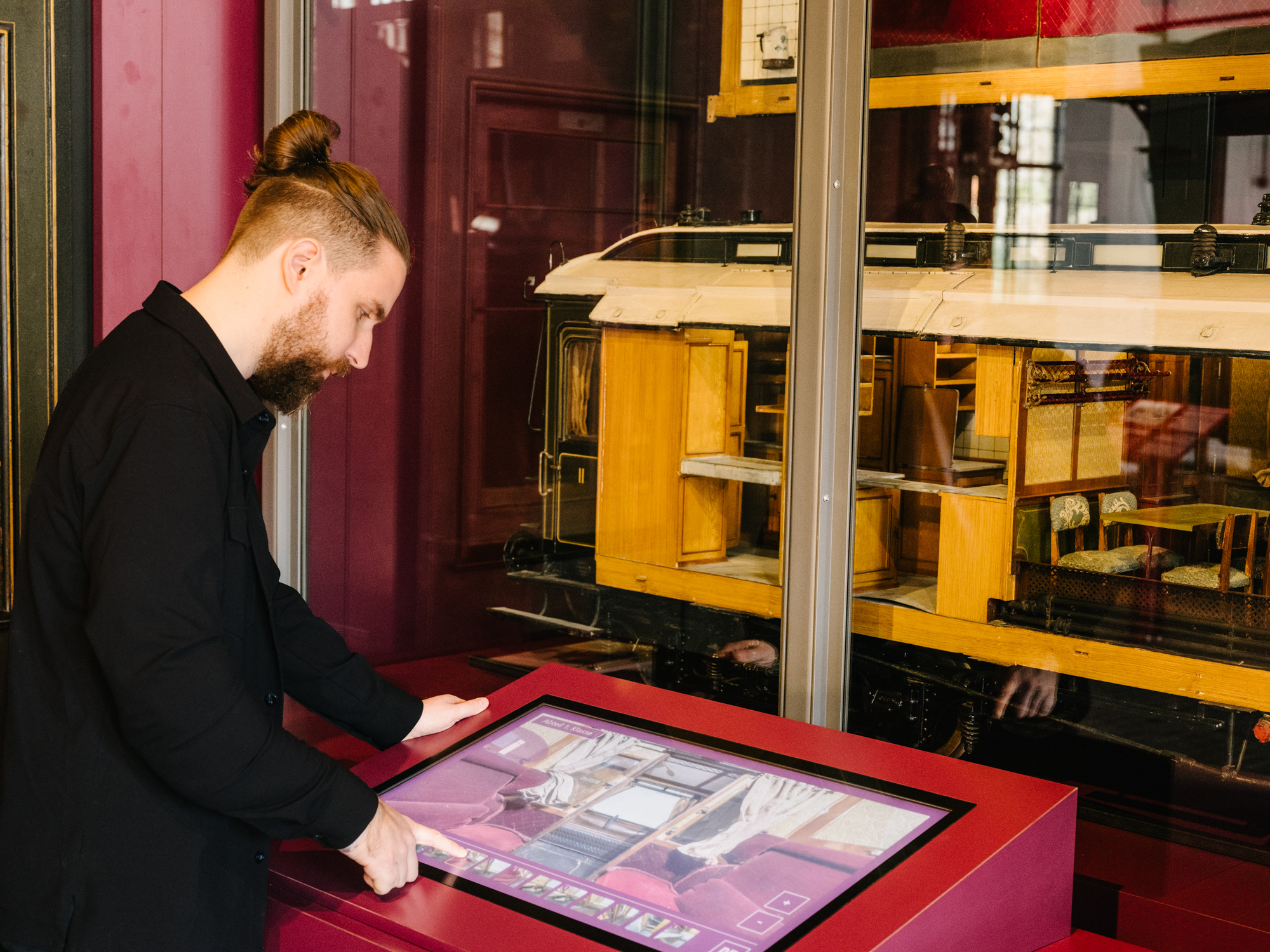
At the heart of the exhibition are 40 original rail vehicles that still exude the smell of soot and oil. In addition, unique, highly detailed 1:5-scale models of passenger cars and locomotives — crafted around 1900 as journeymen’s pieces — are on display. Both are set among a variety of objects that illustrate how people lived with the railroad: train compartments, travel souvenirs, dining car tableware, suitcases, and tickets.
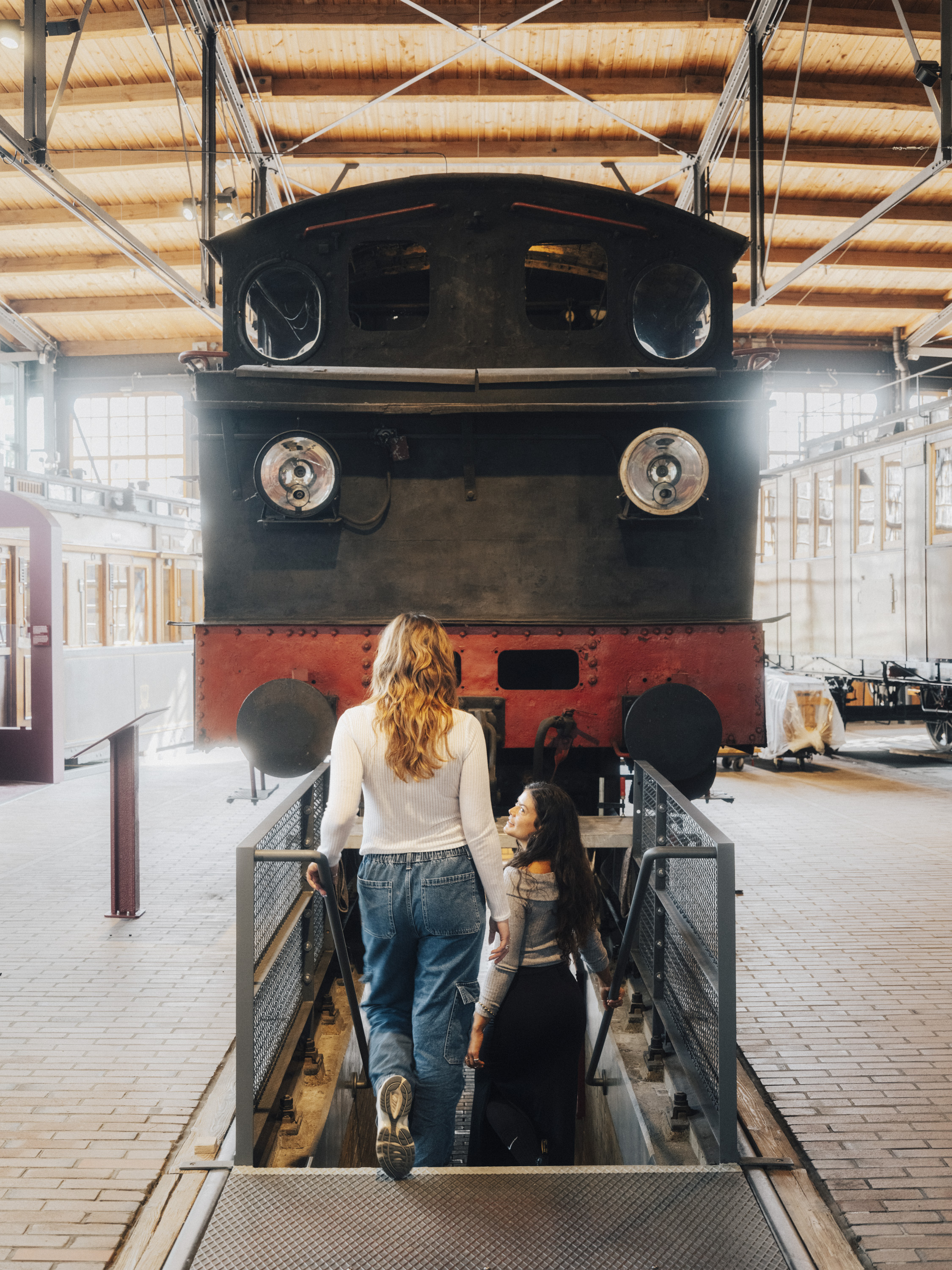
The tour takes visitors from the precursors of the railroad in the 18th century, through the open passenger car from 1843 — one of the oldest surviving examples in the world — to the locomotives of West Germany’s economic miracle and the GDR. If you’d like, you can even walk under a locomotive! There are also hands-on activities: Children can push a replica of a 400-year-old mine cart, and in pairs, they can try their hand at lifting a section of track to see how difficult track construction really is.
Wilhelm II, the “Traveling Emperor”
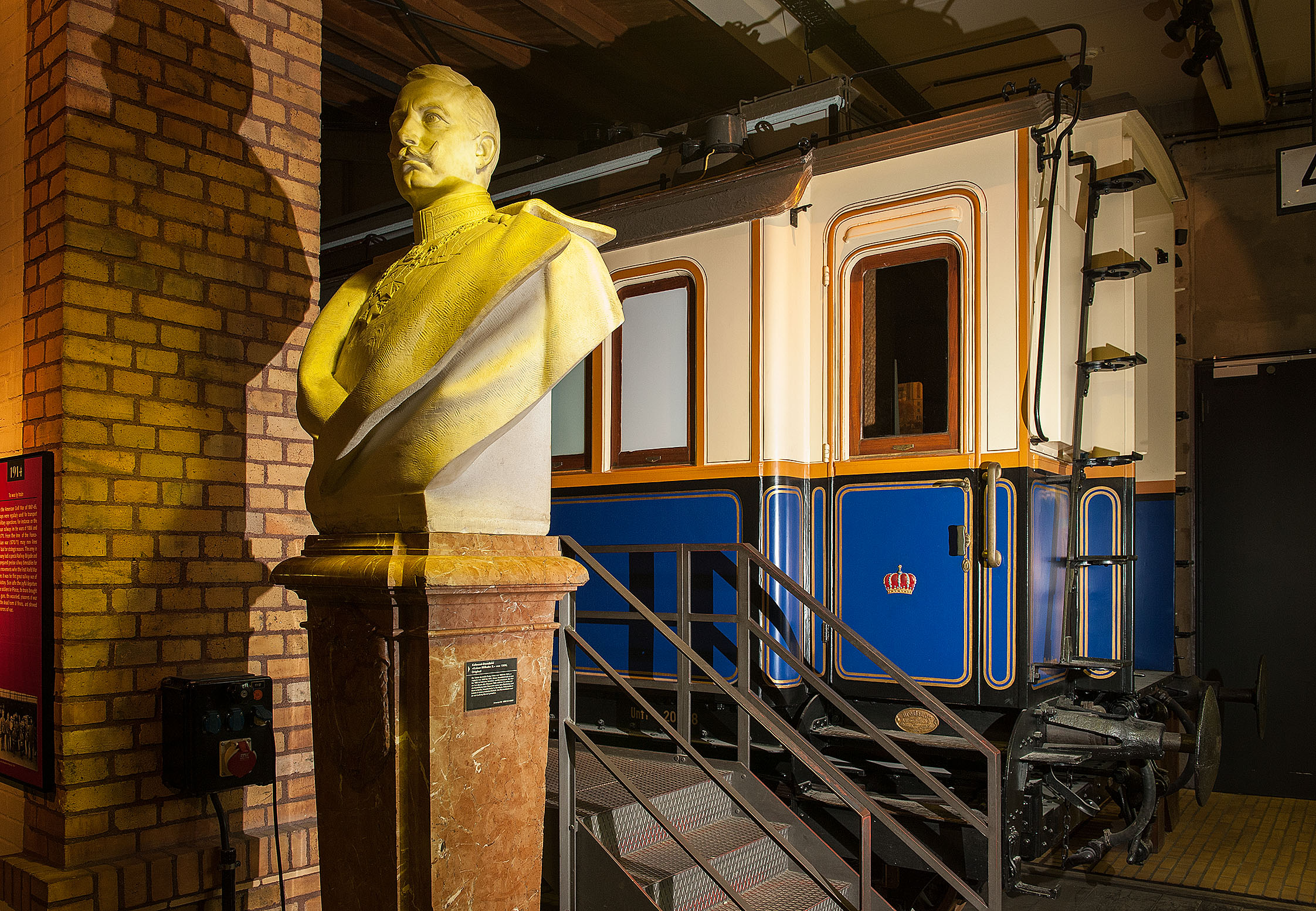
The history of the German railroad is closely linked to developments in society and politics. The exhibition illustrates these connections particularly vividly by focusing on specific individuals. For example, Wilhelm II’s salon car provides a good sense of what his nickname, the “Traveling Emperor,” was all about. Otto von Bismarck symbolizes the fierce debate over the unified German Imperial Railroad that took place in the 1870s.
Holocaust Trains
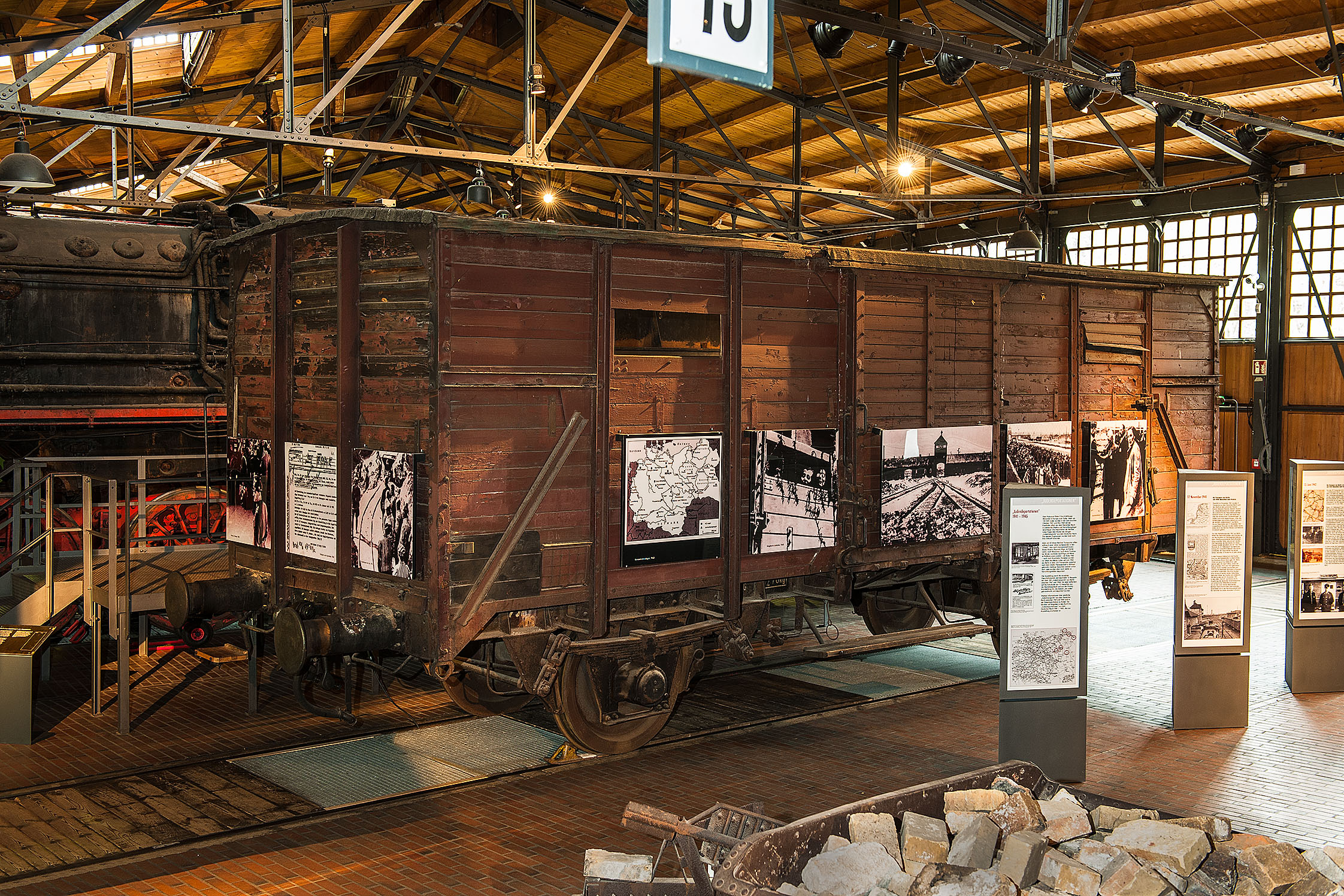
The exhibition also commemorates the Holocaust—specifically, the crucial role played by the Deutsche Reichsbahn in the murder of European Jews during the “Third Reich.” A freight car, symbolizing the deportations, stands at the center of the exhibition section titled “Jewish Deportations,” which presents the stories of twelve Berliners and displays photographs, maps, and train schedules.
"Next Stop: 1900!"
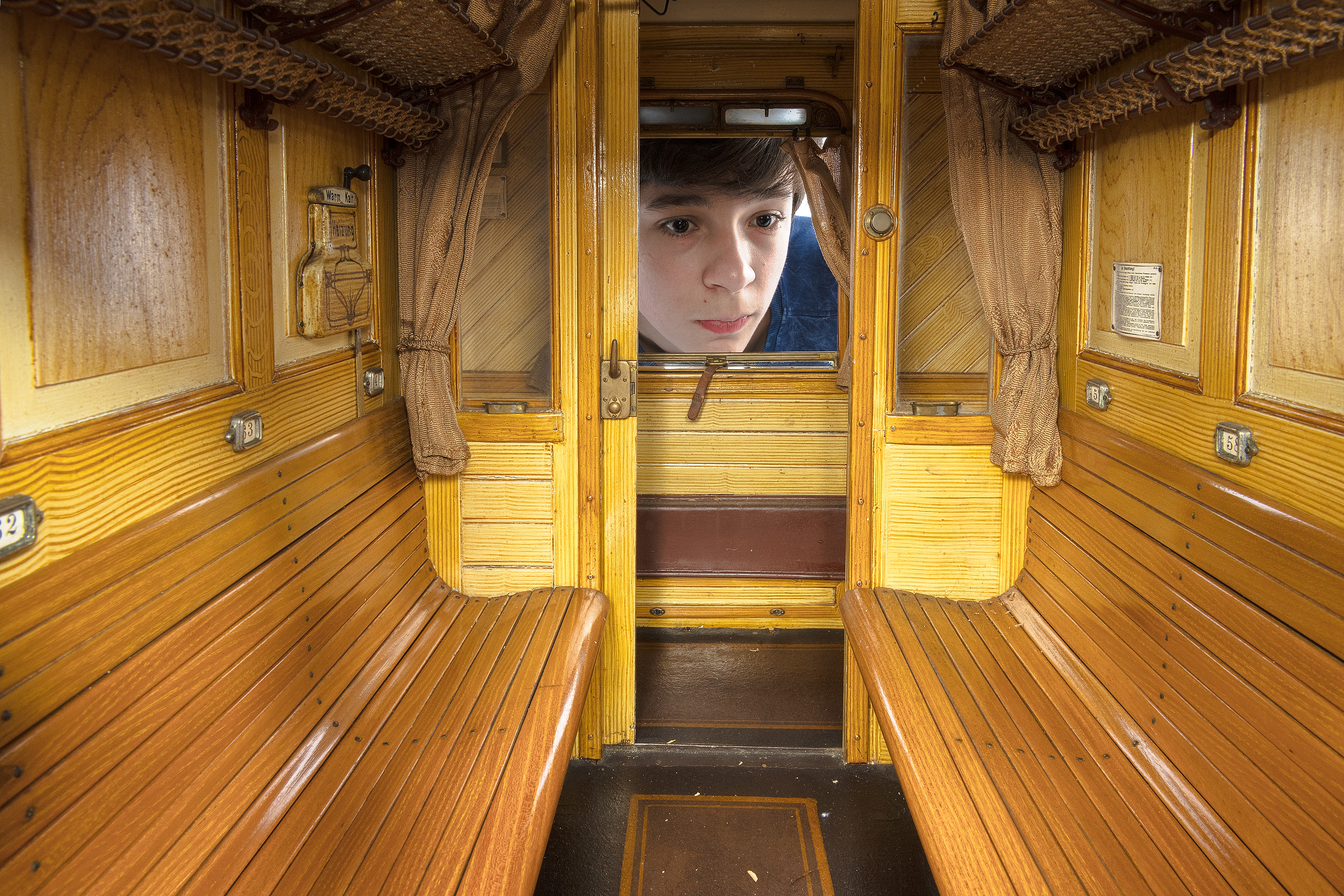
The museum houses a unique collection of historic 1:5-scale model trains manufactured around the turn of the century. Every door lock, every rivet, and every sink has been faithfully reproduced — from the steam locomotive to the hearse. The interiors have now been digitized using 360-degree cameras. Starting now, anyone can take a virtual journey back in time through the world of railroads around 1900—in 360-degree tours with a literary audio track. Check out the digital story “Next Stop: 1900!” on the Google Arts & Culture platform!
Anhalter Bahnhof Revisited
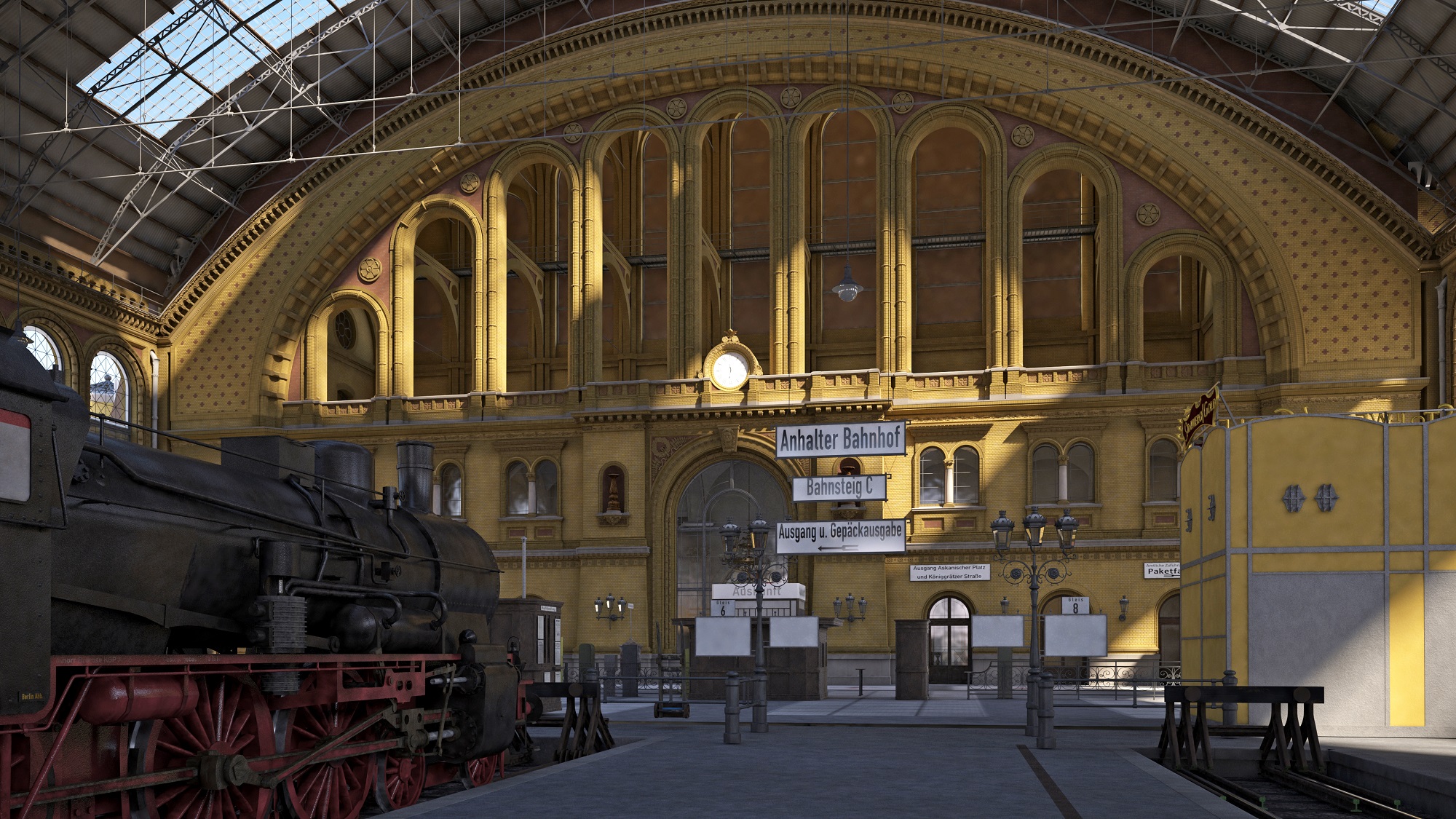
The historic Anhalter Bahnhof is a Berlin icon. It symbolizes the metropolis of Berlin, economic and technological progress, but also flight into exile and deportation from one’s homeland. The 360-degree project “Anhalter Bahnhof Revisited,” created by the Deutsches Technikmuseum in Berlin and TU Darmstadt, breathes new life into this site, which has all but disappeared today. The app invites you to rediscover the architecture of the historic train station building and the stories associated with it through a virtual reconstruction. You can explore “Anhalter Bahnhof Revisited” on the grounds of Anhalter Bahnhof and online at https://anhalter.technikmuseum.berlin.
Open Passenger Car, 3rd Class
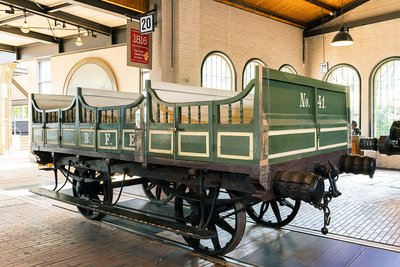
The original passenger car from the privately operated Breslau-Schweidnitz-Freiburg Railway, dating from 1843, is one of the very few surviving vehicles from the early days of the railroad and a true rarity. The car demonstrates how quickly German manufacturers moved away from the model of carriage construction and developed designs specific to rail travel. With its open design offering no protection from the elements, it bears witness to the pronounced social stratification among travelers of that era.
1843
SDTB/ Photo: C. Kirchner
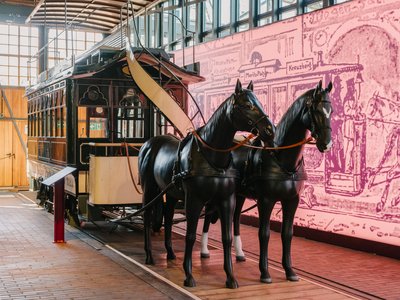
Horse-drawn Railcar
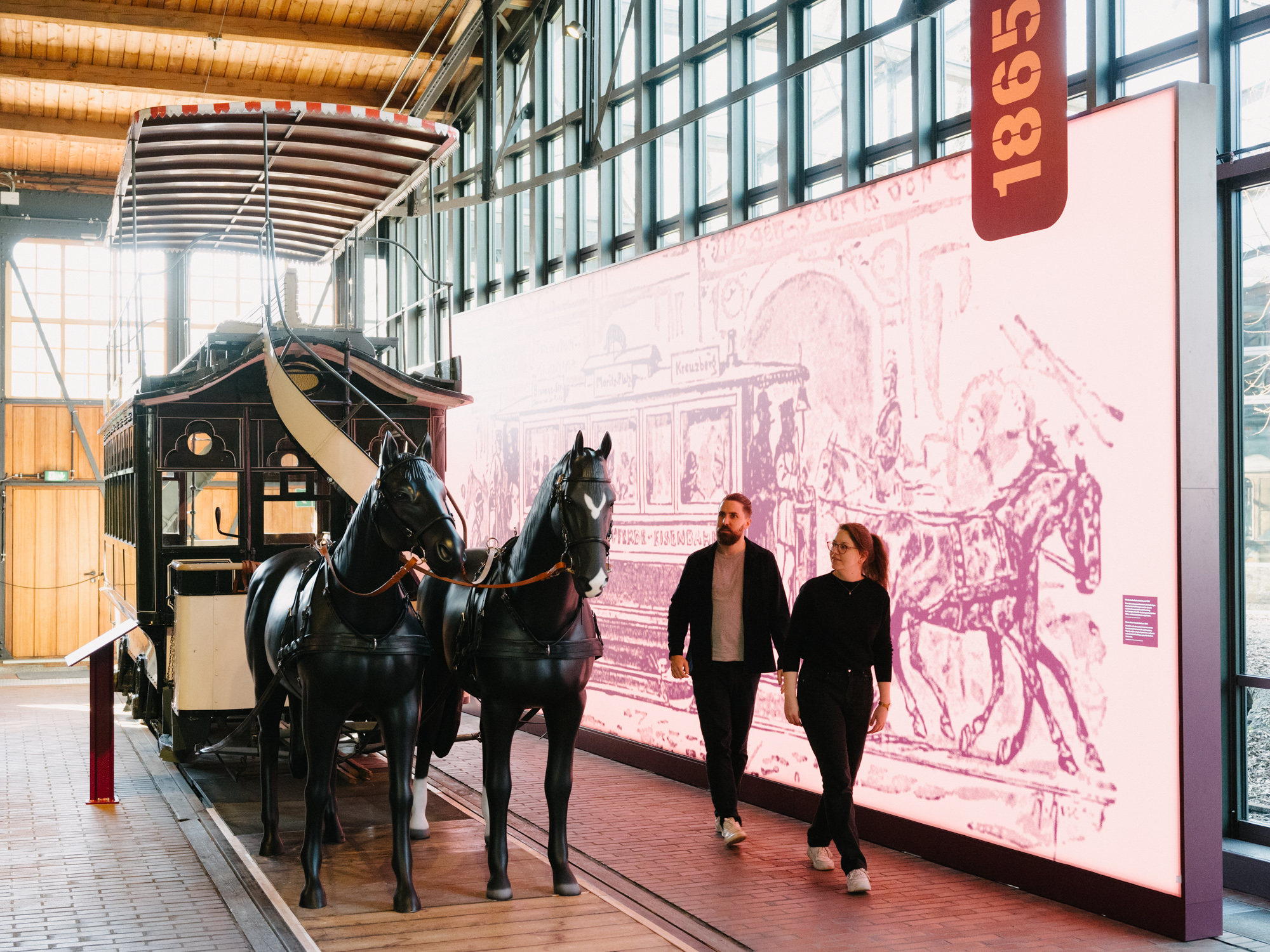
New to the exhibition and a real eye-catcher is a double-decker horse-drawn tram car from 1865. It serves as a reminder that, until 1900, Berlin had a rail network over 100 kilometers long for urban transportation. This system combined the low rolling resistance of the rails — which was state-of-the-art at the time — with the millennia-old power source of “horsepower.” Two dummy horses harnessed in front of the car bring the exhibition display to life.
Lauenstein Company (Hamburg), 1865
SDTB/ Photo: Ériver Hijano
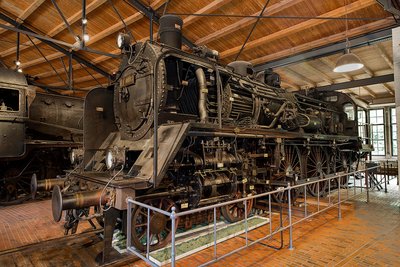
Prussian Steam Locomotive S 10
The Prussian S 10 superheated steam locomotive is one of the most spectacular exhibits in the railroad collection. A total of 202 locomotives of this class were built between 1910 and 1914. These robust locomotives dominated long-distance service on many routes originating in Berlin and across the North German lowlands well into the 1930s. Taken out of service in 1934, our specimen was cut open on one side—in the area of the boiler, cylinders, and cab — to demonstrate how a steam locomotive works.
Berliner Maschinen AG, 1911
SDTB/ Photo: C. Kirchner
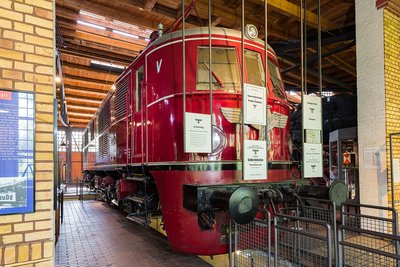
E 19 Streamlined Electric Locomotive
In the 1930s, increasing car and air traffic put pressure on railways in Europe and the United States. In response, rail vehicles were developed to travel at higher speeds. These were often fitted with streamlined bodywork, which not only improved aerodynamics but also conveyed speed and modernity through their design. With a maximum permitted speed of 180 kilometers per hour, the E 19 01 streamlined locomotive was the fastest electric locomotive in the German Reichsbahn. As in the 1930s, it features a sculpted eagle with a swastika on the front to illustrate how technical achievements were exploited by the Nazi regime.
AEG, 1938
SDTB/ Photo: C. Kirchner