Museum of the Fossil Fuel Age
It's frightening, but true: our everyday lives cannot function without coal, oil, and gas. Fossil fuels enable mobility and provide electricity and heat. Fossil raw materials are used in road construction and in our clothing. Over decades, we have made ourselves dependent on them—and realized far too late what the consequences are. We live in a carbon culture! And the Deutsches Technikmuseum, as a museum of the fossil fuel age, reflects this in its exhibitions.
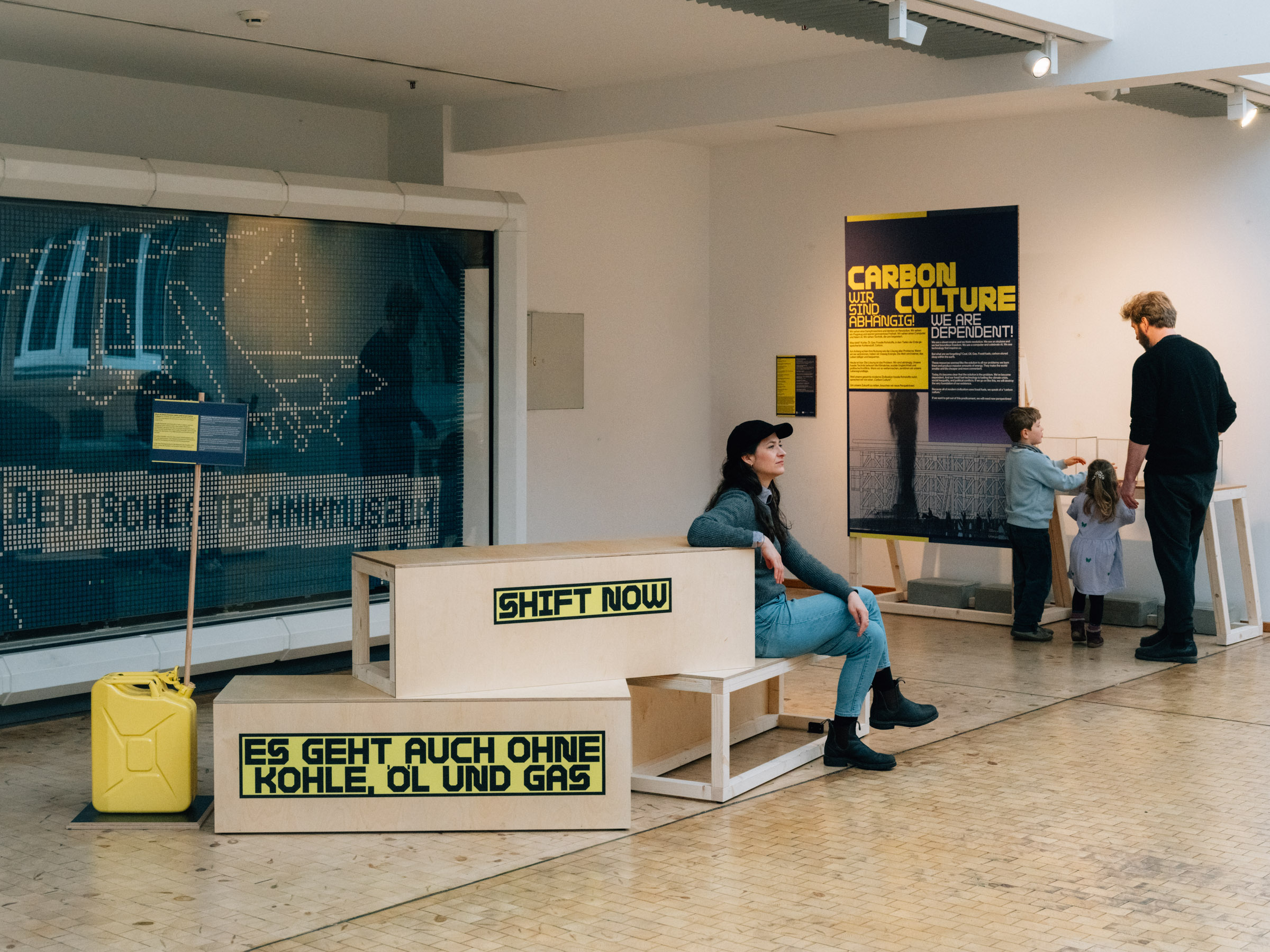
In times of climate crisis, we cannot leave this portrayal uncommented. Therefore, starting on February 25, 2026, the intervention "Carbon Culture" in the museum will be dedicated to a critical assessment of the history of technology: For around 200 years, we have been burning coal, oil, and gas to use the energy stored in them. This has significantly raised the standard of living for many people.
Numerous technological developments and innovations are still based on fossil fuels today. This widespread use and dependence can be summarized under the term “carbon culture.” The exhibitions at the museum shed light on the cultural history of technology and therefore trace precisely this path into carbon culture.
Interventions in the Museum
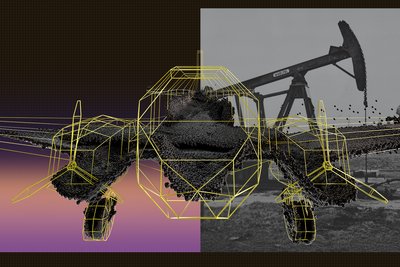
The intervention now opens up a new perspective on fossil technology. Unfamiliar views of selected exhibition objects are linked to landscapes of raw material extraction. Short text passages and specific questions accompany visitors. For example, under the heading "Higher, faster, further?!" questions about the design of one's own life are juxtaposed with a critical examination of promises of progress and growth.
Seating elements are placed as disruptive elements in the room and encourage reflection with calls for climate protests. The museum becomes a place for critical engagement with a technology and cultural history that is harmful to the climate.
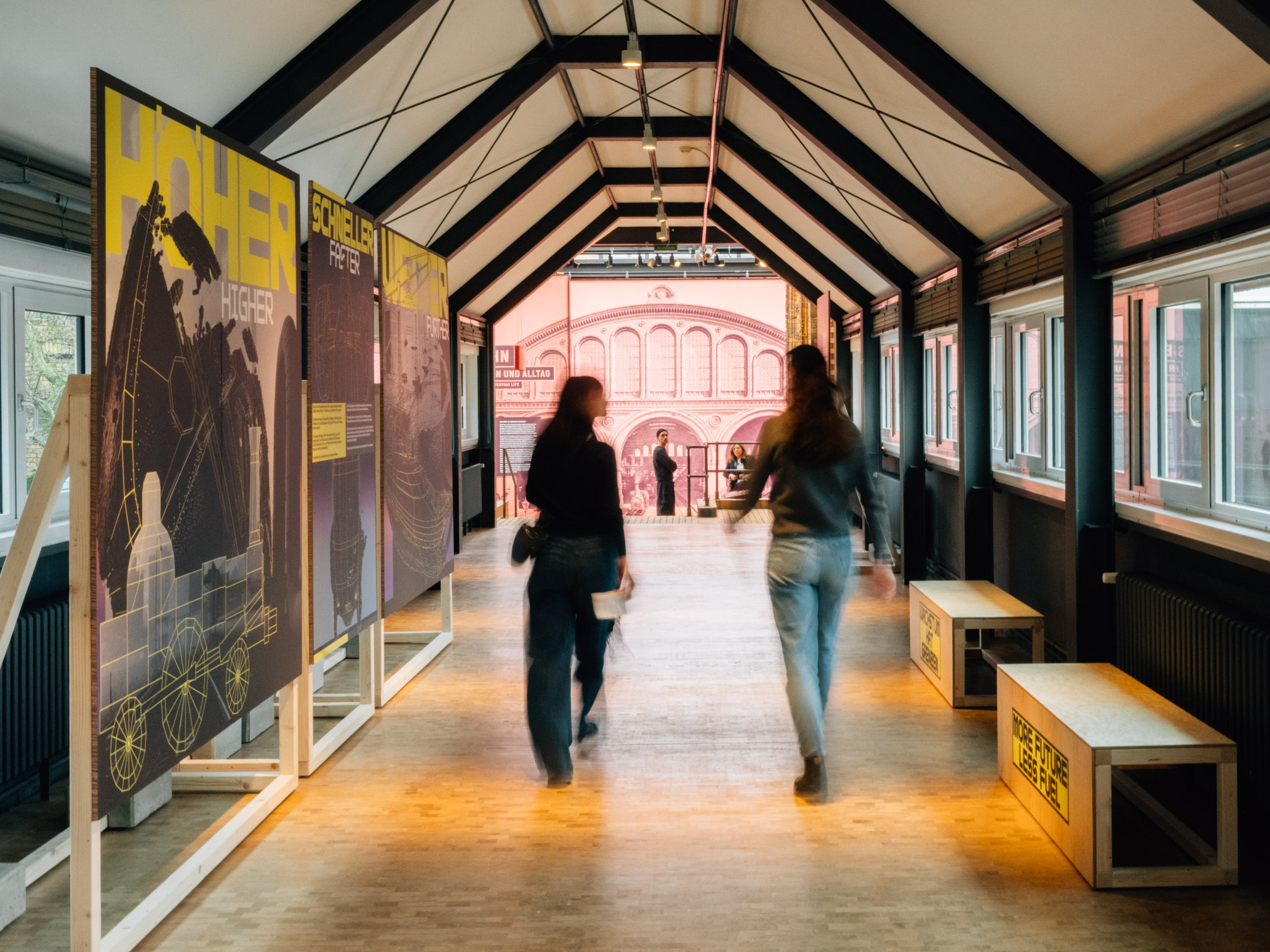
Seating elements are placed throughout the space as disruptive elements and encourage reflection through calls for climate protests. The museum becomes a place for critical engagement with a history of technology and culture that has harmed the climate.
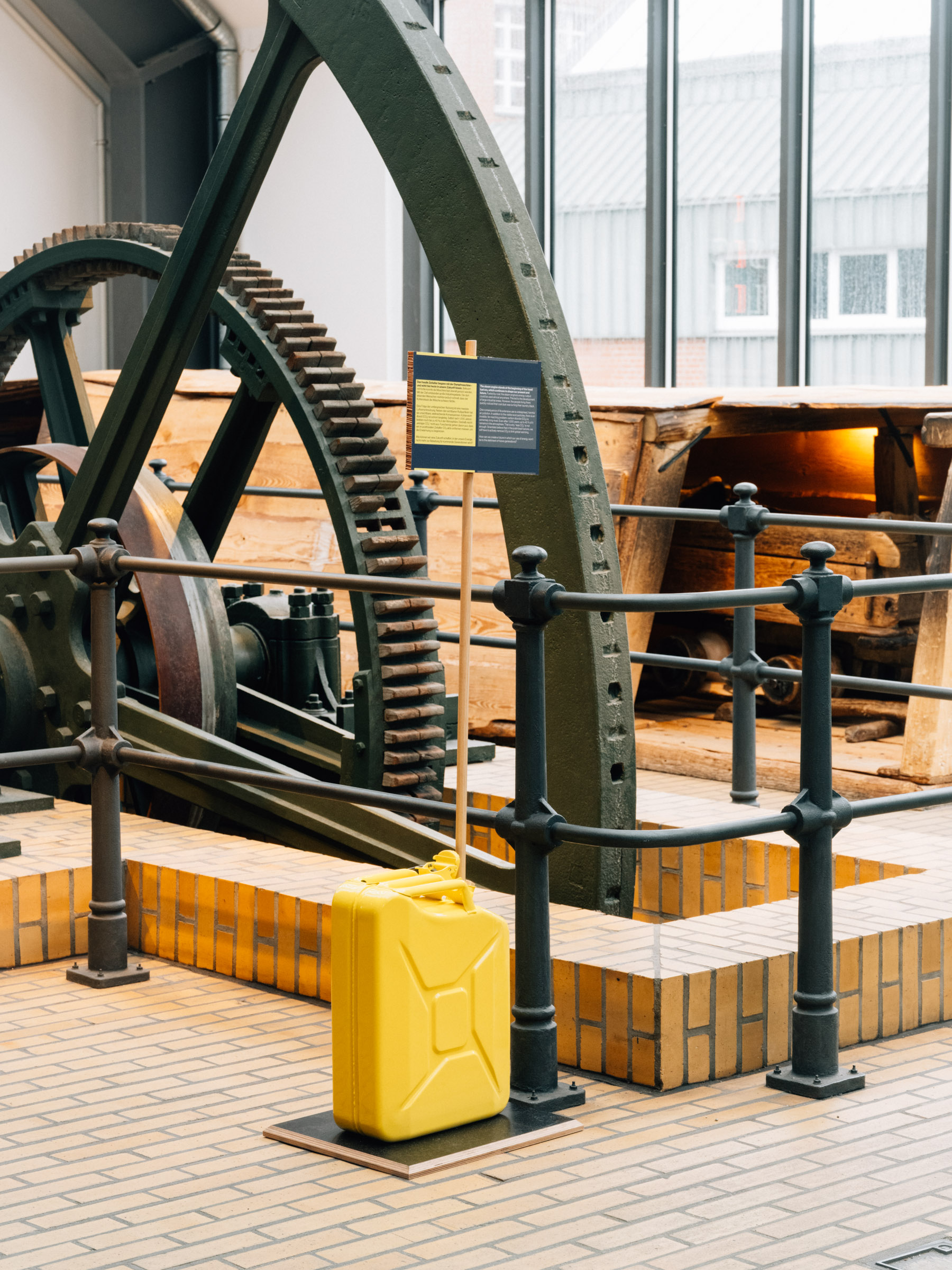
The intervention continues the path of carbon culture into the present day — a time when the consequences of this development are becoming increasingly apparent. This is illustrated by selected exhibits in the permanent exhibition. Yellow canisters with new object labels make fossil fuels visible as invisible everyday companions and reclassify historical technology. For example, the steam engine, a central symbol of industrialization, is expanded to include the dimension of CO2 emissions. The history of coal combustion is traced up to the present day and illustrated with the effects of greenhouse gases on the global climate.
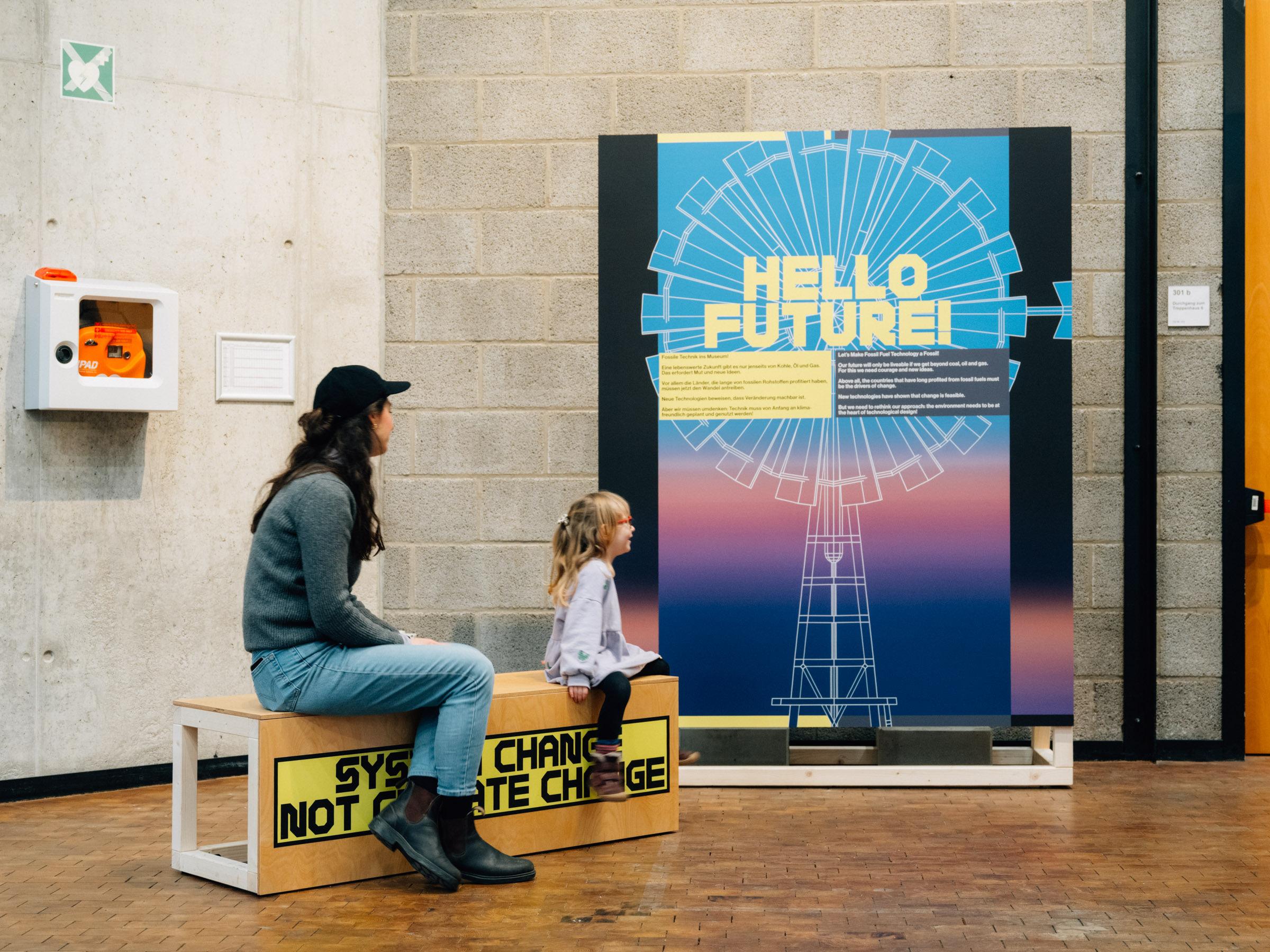
We must recognize that the Deutsches Technikmuseum is a museum of the fossil fuel era. Its exhibits are evidence of a technological development that we must leave behind in order to initiate a "green transition": promoting a life without coal, oil, and gas and actively addressing the climate crisis.