Space Flights Begin
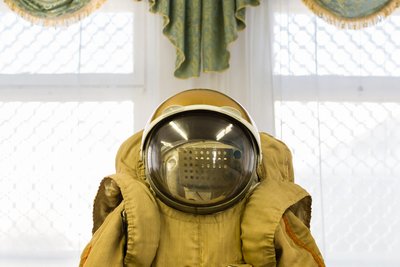
The flight of Yuri Gagarin, who became the first human to orbit in space on 12 April 1961, is seen as the preeminent event. On the occasion of the 60th anniversary of this flight, the Deutsches Technikmuseum in Berlin presents 49 photographs from the project Cosmic Culture by Dieter Seitz.
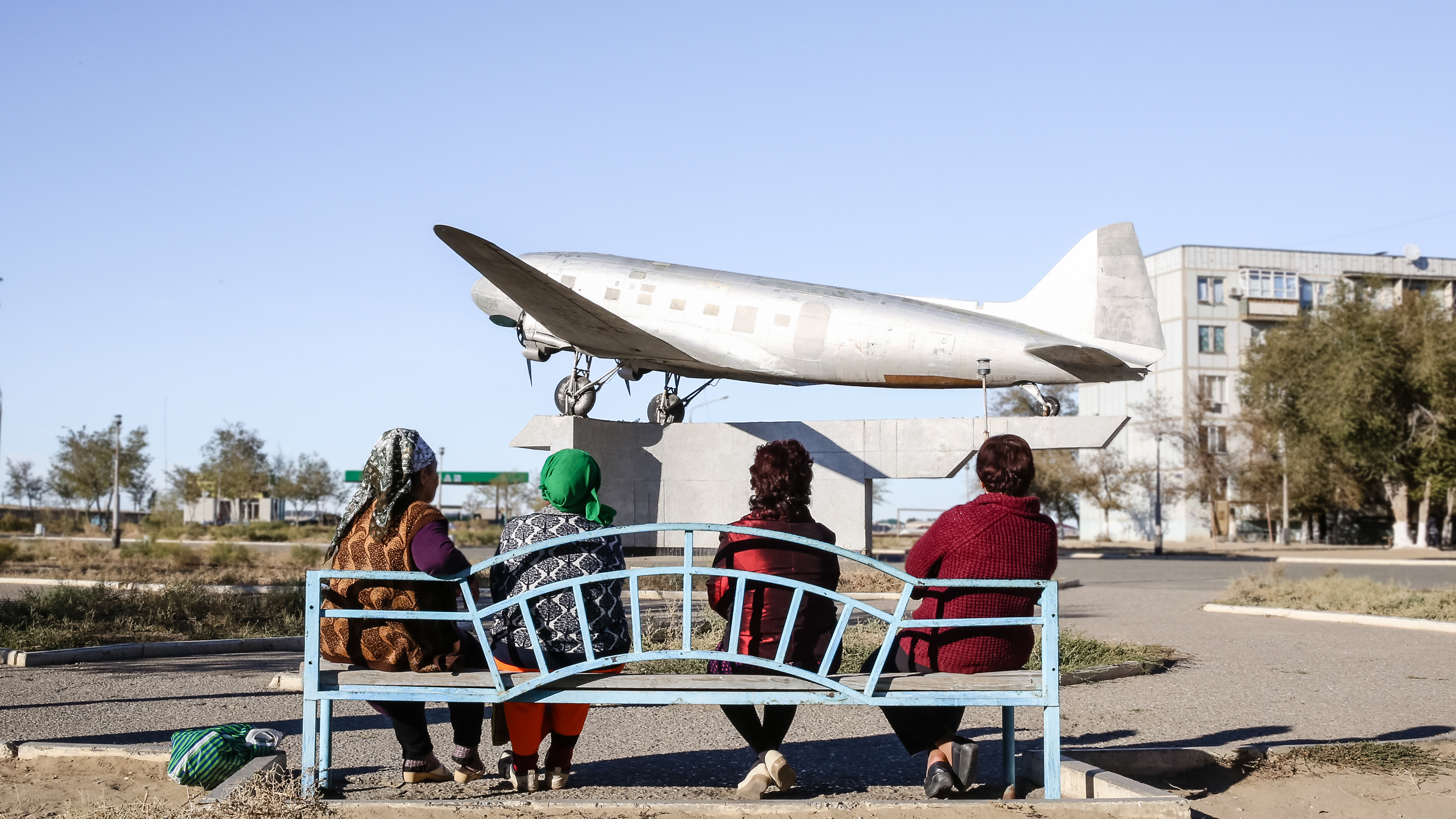
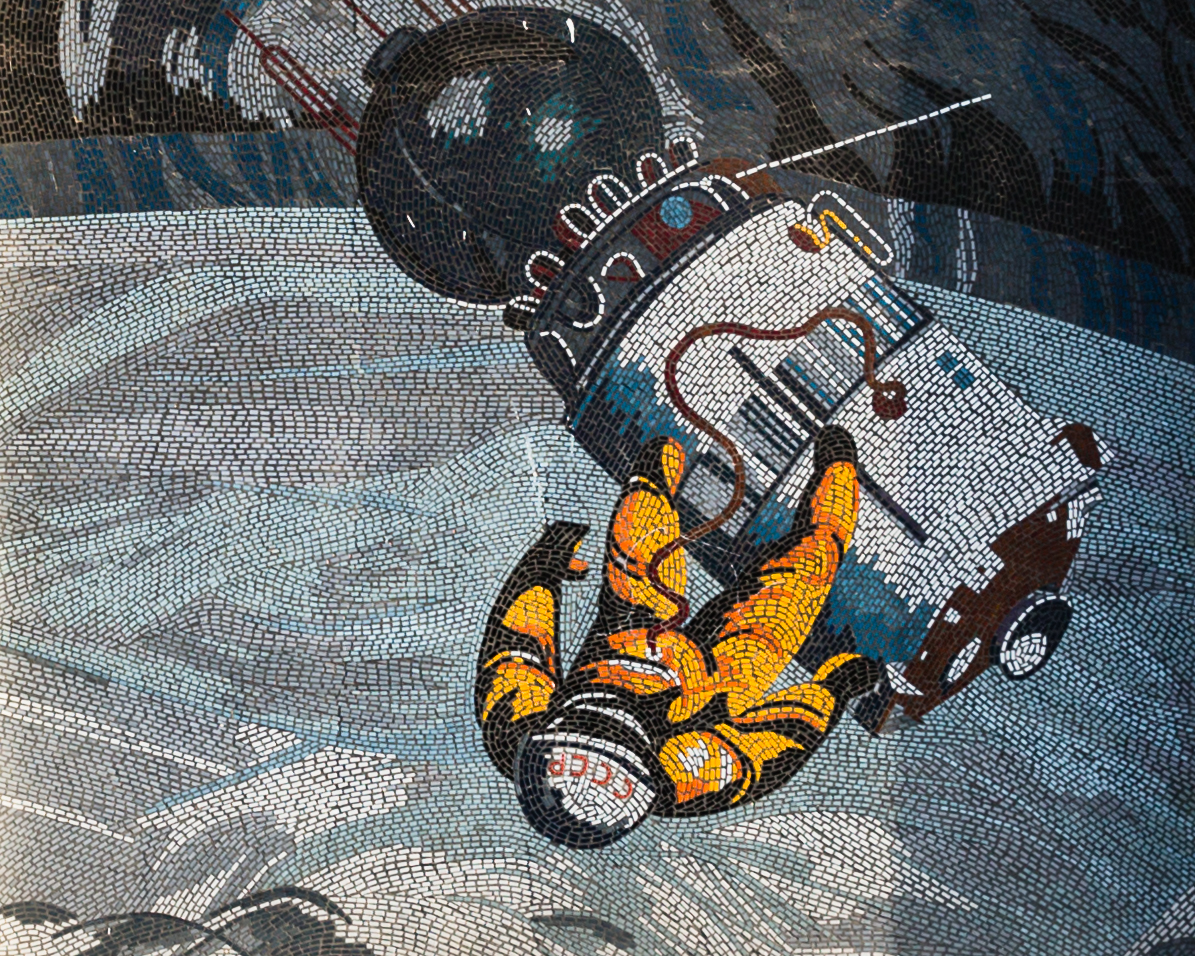
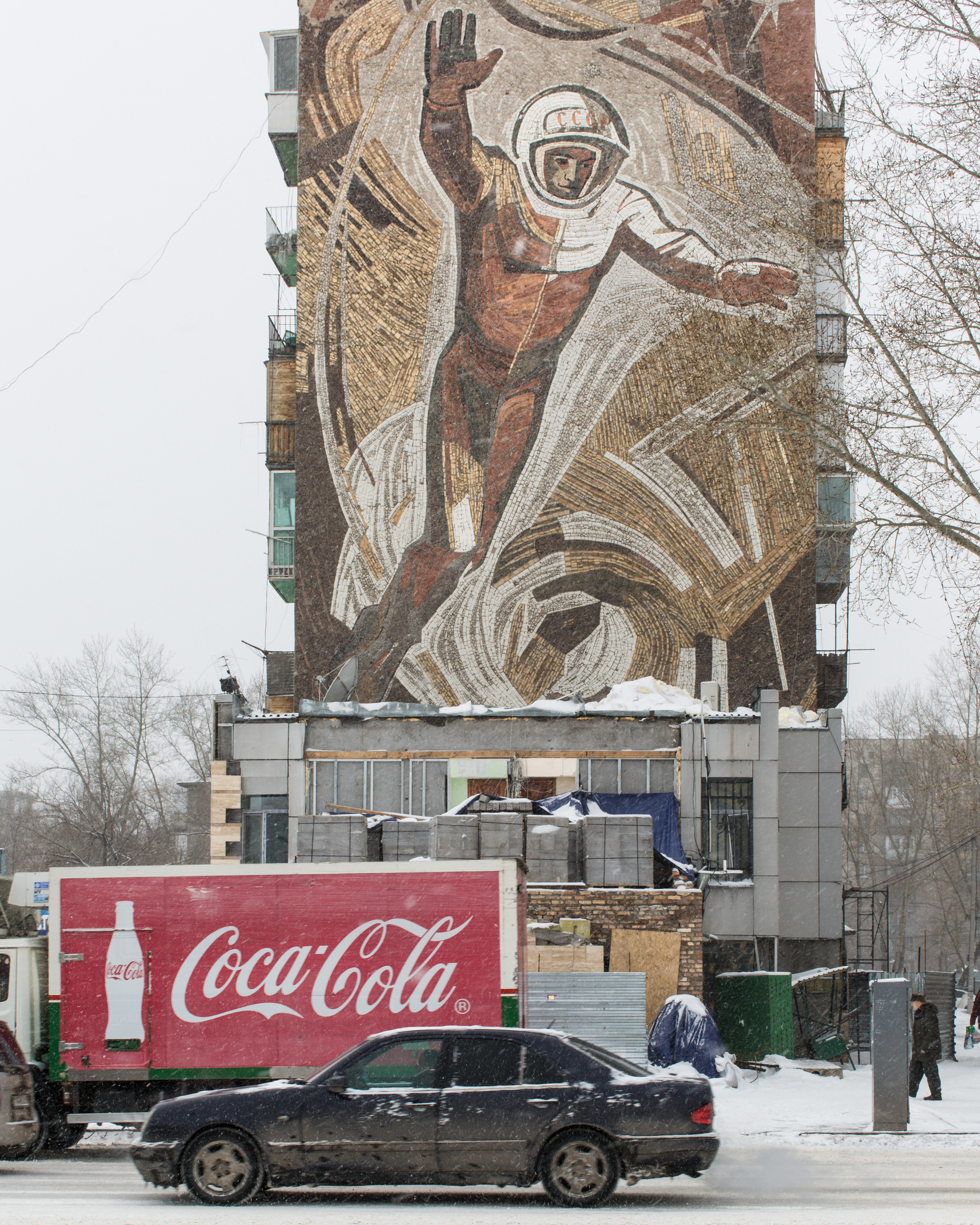
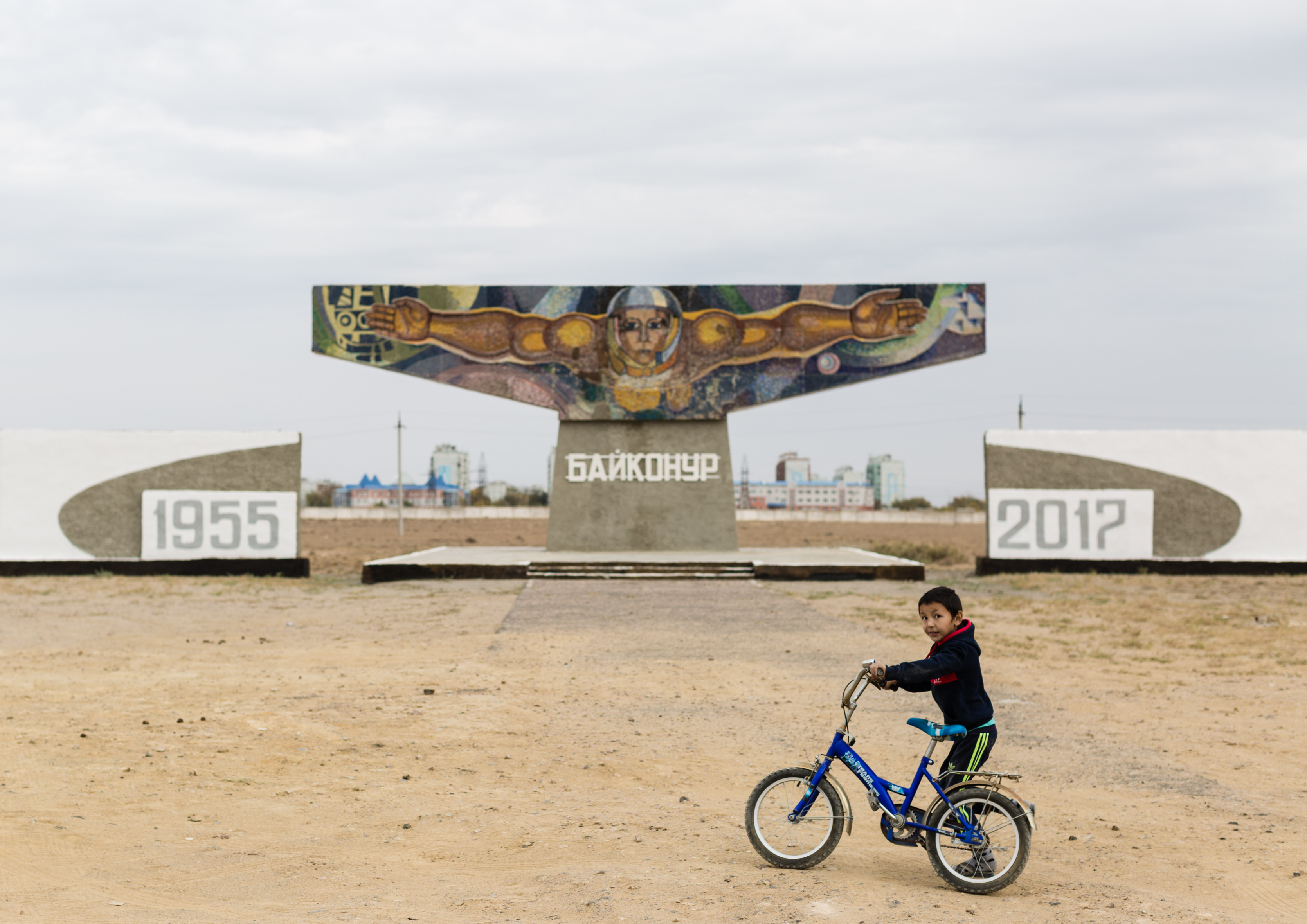
Fascination with space travel in the Soviet Union took visible form in the artwork on buildings, in the creation of monuments, as well as in small everyday items. The photographer Seitz set out in search of this cosmic culture. His images show large frescoes with depictions of heroic female and male cosmonauts, but also cigarette packs and tea-glass holders decorated with rocket motifs. These pictures of objects are complemented by portraits of old and young people who found their profession and vocation in the Soviet and Russian space program or in jobs connected to space flight.
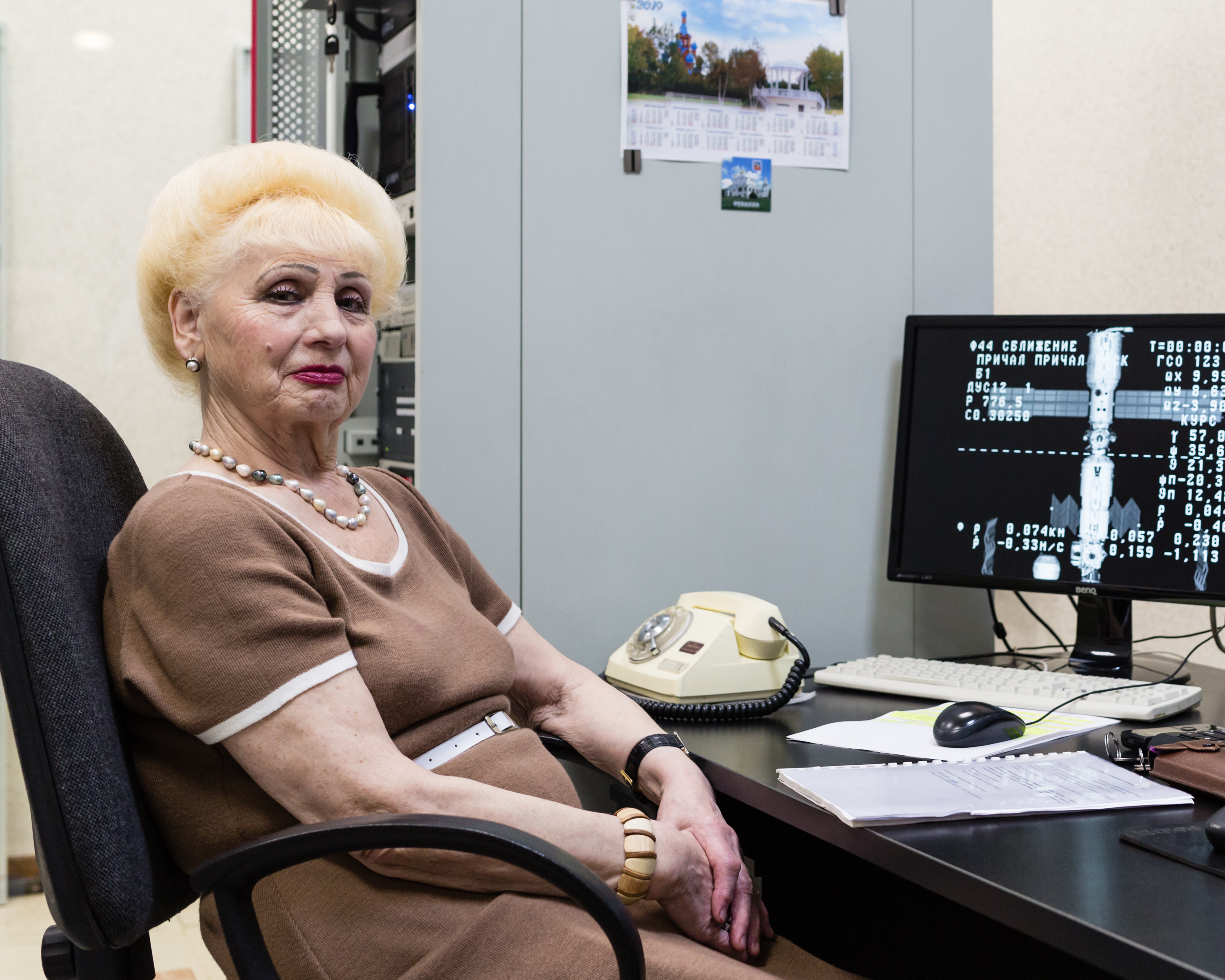
The Fascination of Space
Space has always fascinated humanity. Dreams of the stars and of journeys beyond Earth were prominent in the yearnings of many cultures long before a ‘conquest of the cosmos’ appeared technically possible. The actual start of space travel, however, was a highly political event: when the first artificial satellite, the Soviet Sputnik, orbited Earth in 1957, it triggered the ‘Sputnik shock’ in the West. The space flight of the Soviet cosmonaut Yuri Gagarin initiated the ‘race to the moon’, which was won by the USA in 1969. Space travel had become part of the rivalry between the political systems of East and West, and a matter of government propaganda for both sides in the Cold War.
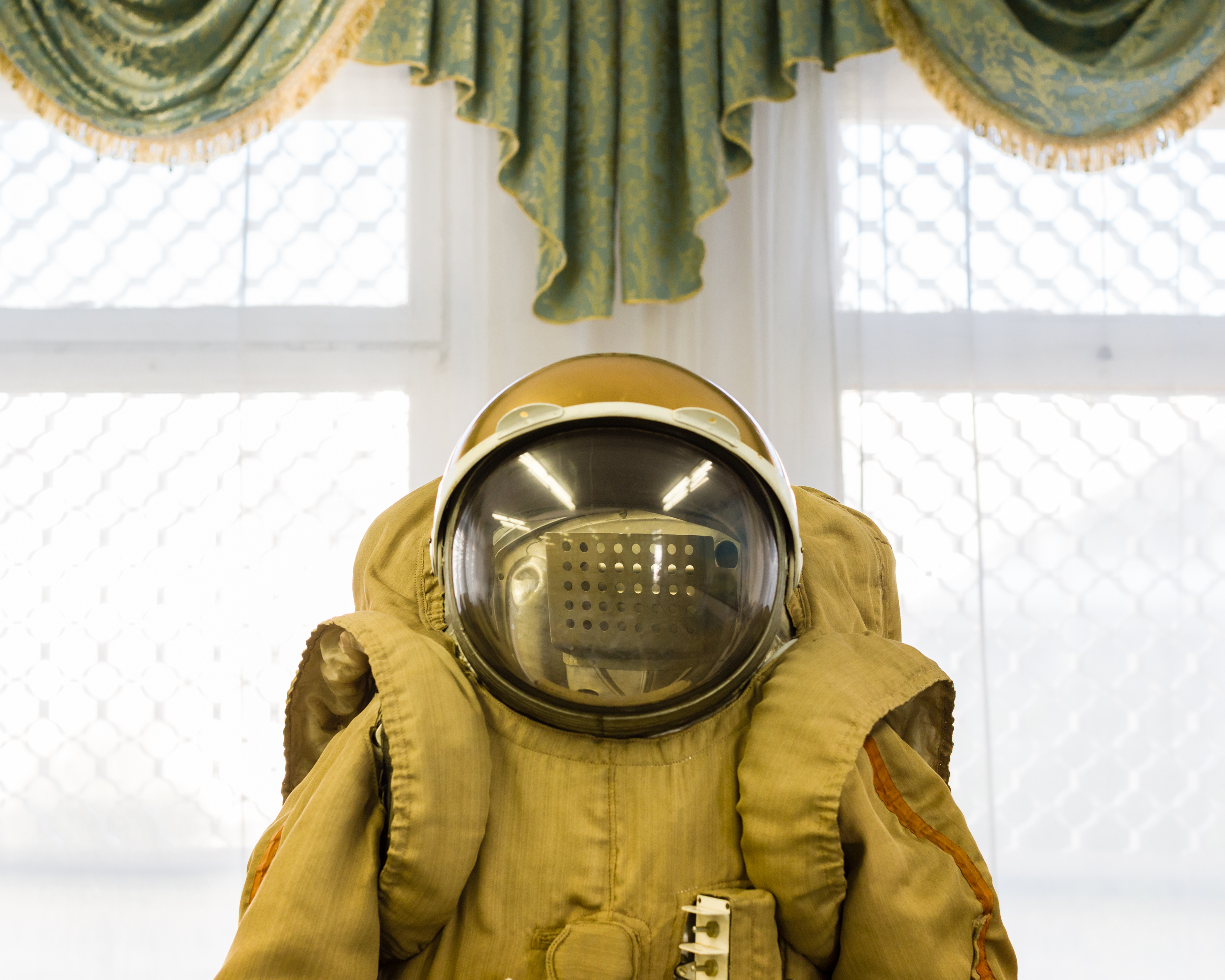
The Soviet Space Travel Aesthetic in the Everyday Life of the East
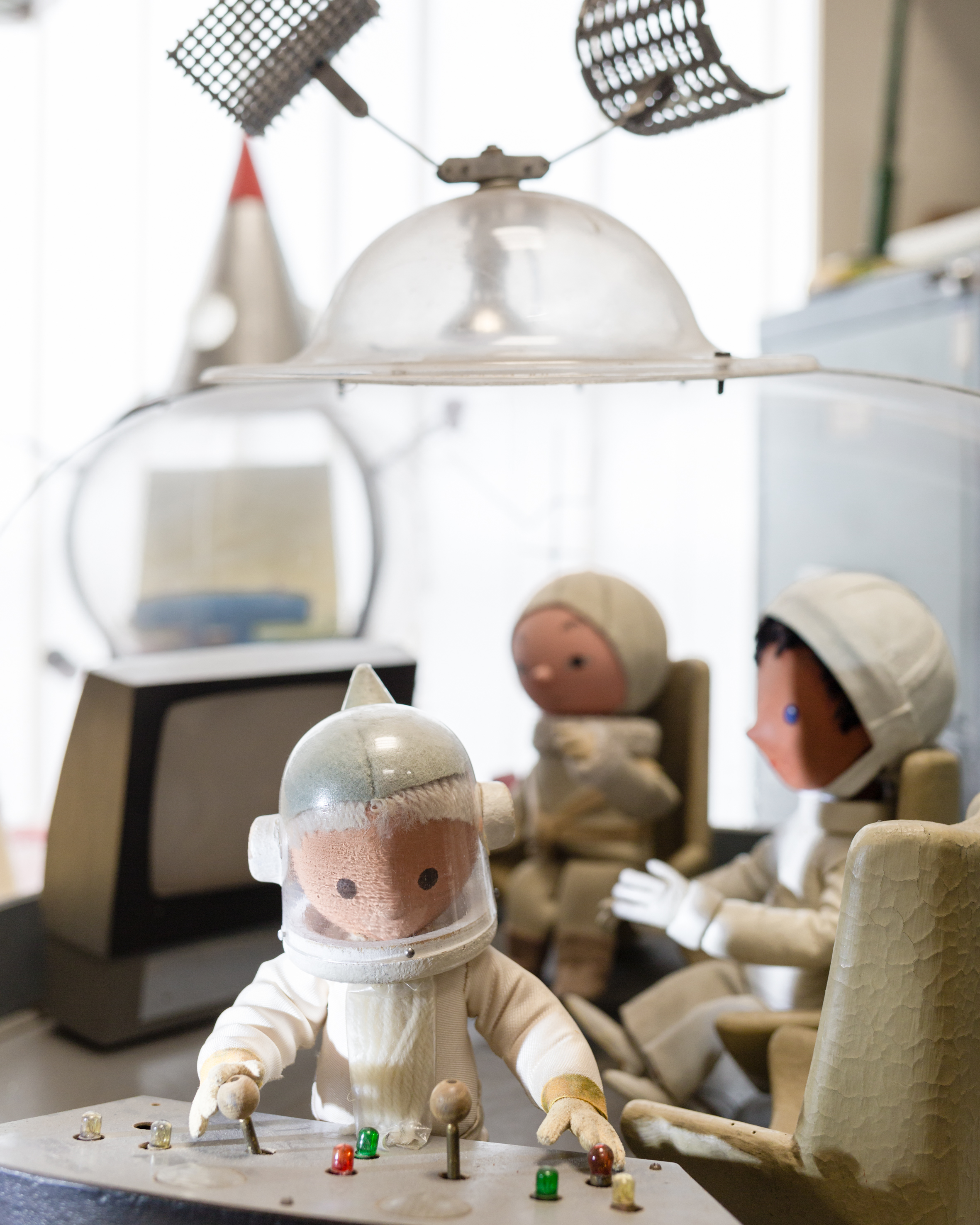
In the Soviet Union fascination with space travel also entered the lives of people outside the world of high politics. After a delay, the people of the German Democratic Republic and other East European states became engrossed as well. The motifs and symbols of the cosmos made their mark on design in the public and private spheres: space motifs appeared on mass products such as cigarette packs, clothing, clocks and badges and also found expression in allegorical porcelain figures. The cosmos inspired the design and names of articles of daily use. The space aesthetic was ubiquitous on the streets in the form of architecture, mosaic murals and sculptures. In short, the ‘cosmos’ became part of everyday culture in a wide variety of ways.
The exhibition Cosmic Culture shows the diverse influences of this cosmos-inspired aesthetic on the daily life of people in the East. Although space travel was no longer characterized by spectacular events after its pioneering years, the cosmos aesthetic maintained its presence in the everyday culture of the East. With the dissolution of the Soviet Union in 1991 and the ensuing crisis, however, the social values that were linked to the ‘cosmos’ suddenly lost their importance. Its aesthetic, like many others, could now be easily supplanted by Western consumer goods. When Russian space travel intensified at the start of this century, memories of the past cosmos culture were revived as well The images found in Cosmic Culture reflect how these ideas and utopias live on and how today the ‘cosmos’ is making a comeback in new ways.
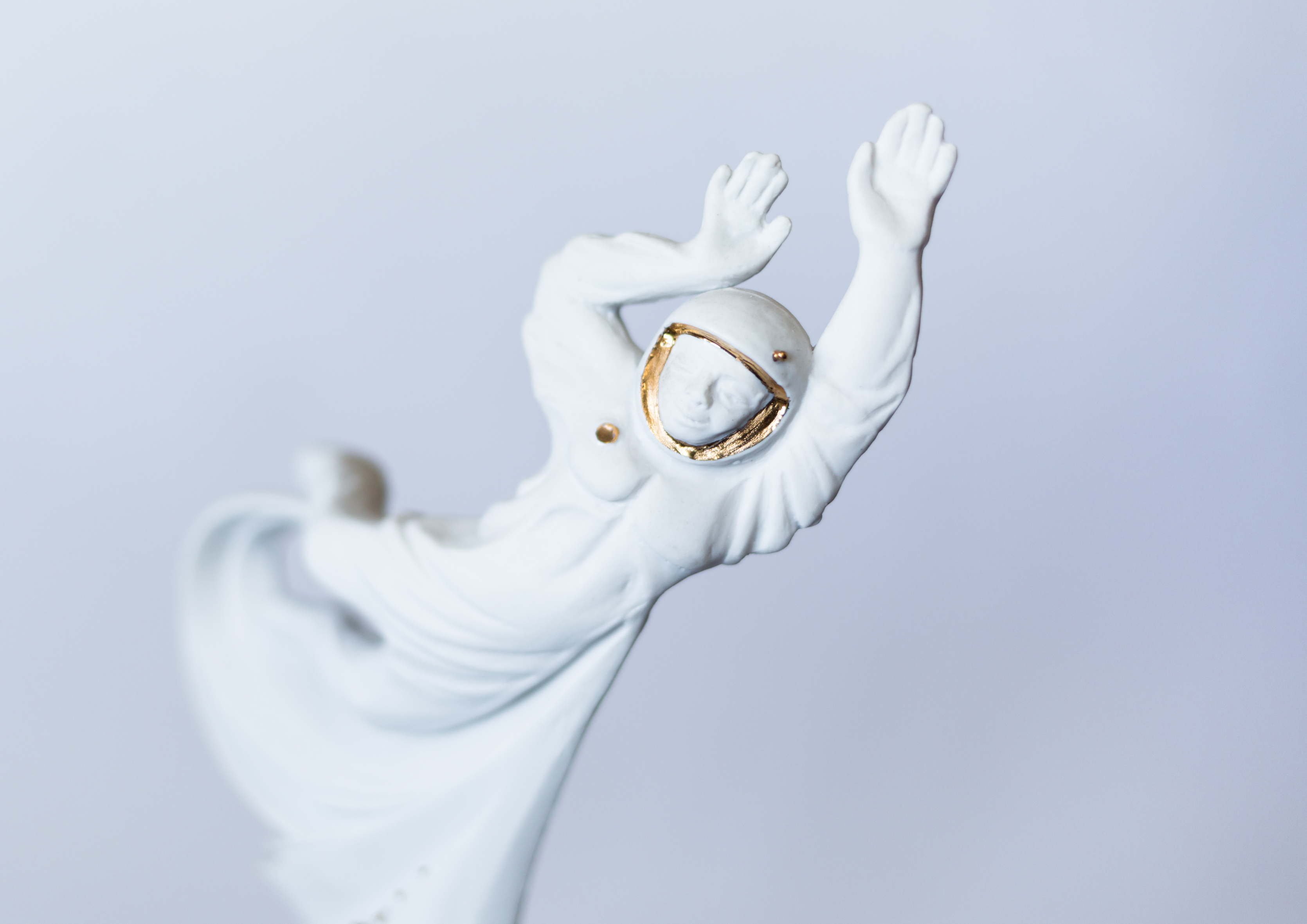
A Search for Cultural Traces in Seven Countries
Between 2016 and 2019, Dieter Seitz set out in search of the relics of cosmos culture. Thirty years after the downfall of the Soviet Union, items of daily use that were once mass-produced are difficult to track down. Seitz found them in remote areas, in busy public squares and closed-off security zones, as well as in museums, private collections, and hidden archives. He journeyed thousands of miles through Russia and the former Soviet republics of Kazakhstan, Tajikistan, Kyrgyzstan, Uzbekistan and Georgia, and the East of Germany as well.
On his travels he encountered people of all generations whose lives and livlihoods were stamped by space travel. Their portraits show how what had once been a myth was now a new everyday reality, a business, a vocation – or a perfectly ordinary job.
Cosmic Culture is a comprehensive documentation of an aesthetic phenomenon that was unique in its variety and its widespread penetration and rootedness in the everyday culture of the East. Beyond this, the richness of Dieter Seitz´s associative images makes it possible to feel something of the atmosphere that helped to shape the life of a generation in these countries.

The Photographer
Dieter Seitz was born in Stuttgart and studied at the Berlin University of the Arts, the Free University of Berlin and the Technical University of Berlin. In 2017 he was elected to the German Photographic Academy. A designer, sociologist and free-lance photographer, he lives and works in Bonn.
Since 2004 his artistic exhibitions and book projects have focused on topics of social transformation, especially in the former Soviet republics (Kazakhstan: Virtual Landscapes, 2015; Nomads Land, 2017), as well as on areas of social tension (India, 2006-2008; Greece, 2011-2013). His most recent publication is Cosmic Culture. Soviet Space Aesthetics in Everyday Life, 2019. This book received the silver award from the Deutscher Fotobuchpreis for 2020-21 in the category ‘conceptual and artistic photo book.’ The work of Dieter Seitz has been shown in many solo and group exhibitions in Germany and internationally.
More information on Cosmic Culture and on Dieter Seitz' work is available on the photographer's website and on his Instagram-Channel.
For more information about the publication “Cosmic Culture,” please visit the publisher's website.