Your privacy is important to us!

We use cookies to improve our website for you. No hidden trackers. You decide what you allow.

Essential cookies enable basic functions and are necessary for the website to function properly.
Statistics cookies collect information anonymously. This information helps us to understand how our visitors use our website.
Marketing cookies are used by third parties or publishers to display personalized advertisements. They do this by tracking visitors across websites.
Jump to main content
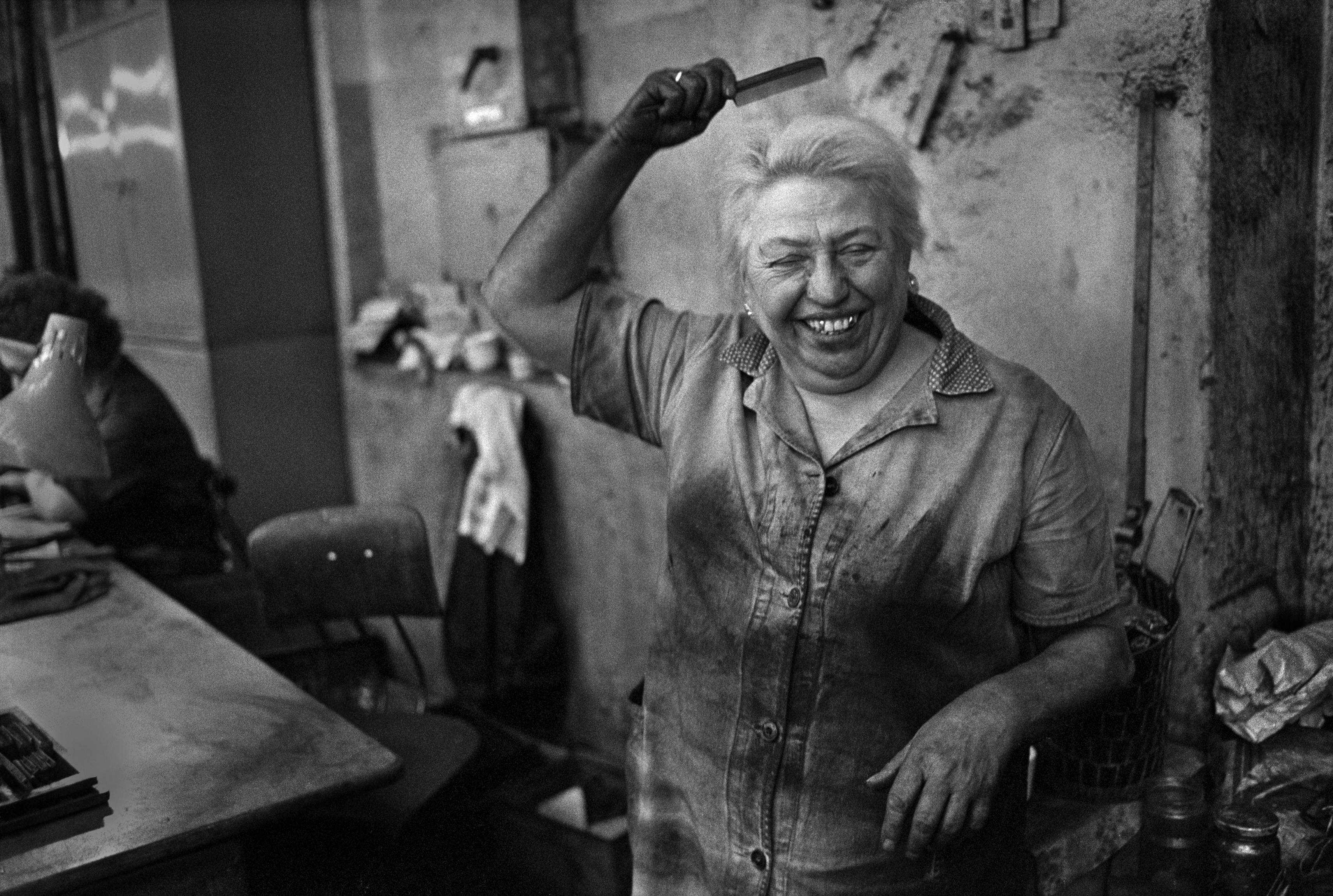
The photo shows a woman in a coal-stained work smock, laughing as she combs her hair.

Faces of Work

6/3/2019 — 30/8/2020

Faces of Work

What's it About?

Smoking chimneys, people in smock aprons and boiler suits - before the fall of the Wall, Berlin was an important industrial location. The exhibition “Photographs of East Berlin industrial plants by Günter Krawutschke” (until 30 August 2020) depicts a world that no longer exists.

Photographs of East Berlin Industrial Plants

Berlin before the fall of the wall is an important centre of industry. This applies in particular to the eastern part of the divided city. In both a political and industrial sense, East Berlin is the beating heart of the German Democratic Republic (GDR).  A large number of Volkseigener Betriebe (or VEB, meaning Publicly Owned Enterprises) are spread across the city, including more than a dozen large companies with several thousand employees.
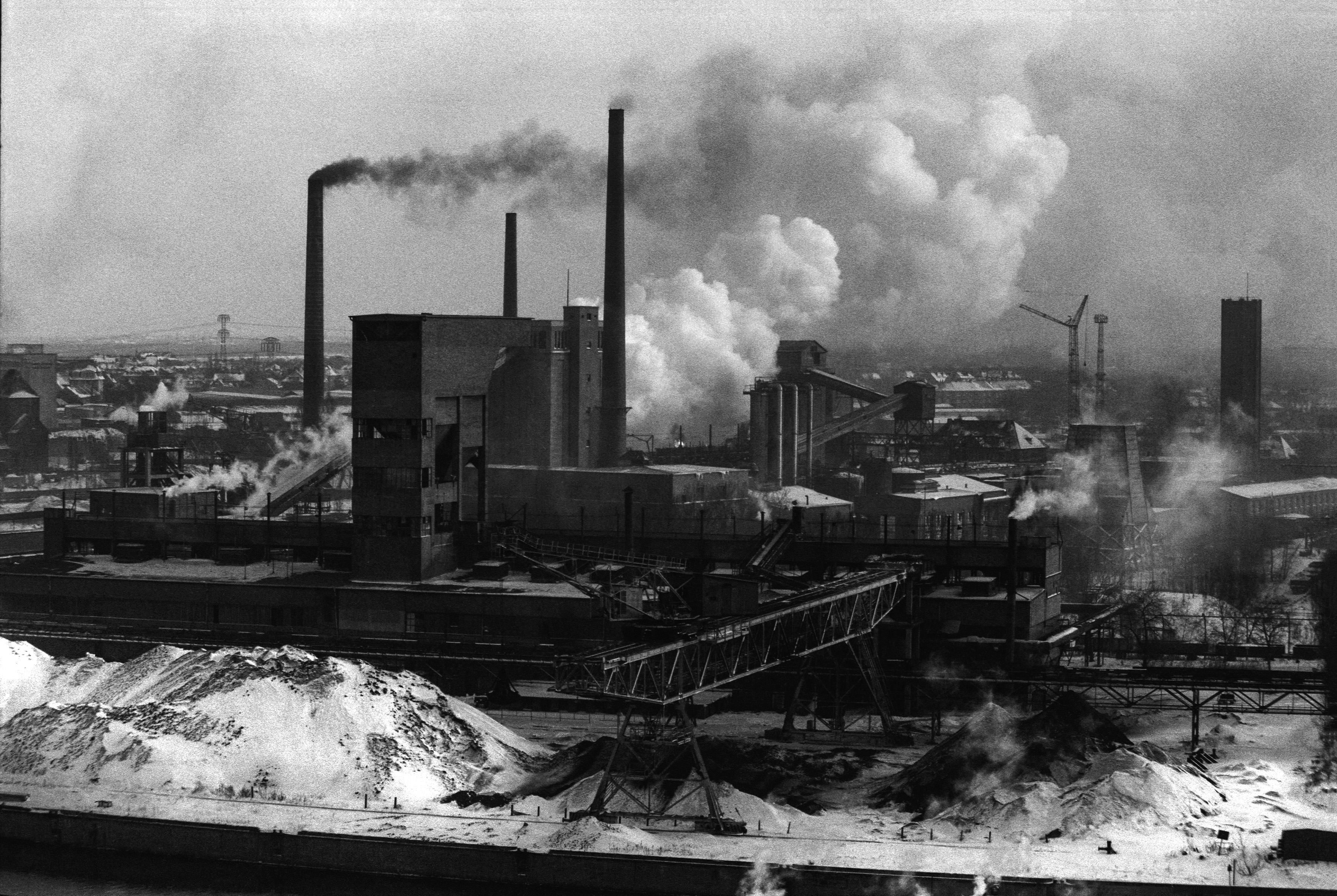
The photo shows a power plant with thick smoke rising from its smokestacks.
The power plant in Berlin-Rummelsburg, which began operations in 1926, is named after its designer, Georg Klingenberg. His brother Walter, together with Werner Issel, was responsible for the building’s Expressionist architecture. It remains in operation to this day. In addition to supplying district heating to East Berlin, electricity has been and continues to be generated here—including for the Berlin S-Bahn. SDTB, Historical Archive / Photo: Günter Krawutschke 1/1

Portraits of East German Workers

Günter Krawutschke knows this world like few others. He has worked as a reporter and photographer for a Berlin publishing house since 1965. The industrial plants in the eastern part of the city are a focal point of his work. This frequently takes him to factories like Kabelwerk Oberspree (KWO), Metallhütten- und Halbzeugwerke (BMHW) or VEB Elektrokohle Lichtenberg (EKL). He is less interested in production processes or the company statistics and is actually fascinated by the people working there. In addition to official press appointments, he takes the time to study this world and capture it with his camera.

50 selected images provide unvarnished and sometimes intimate insight into this long-gone world: They document emotional moments and strong characters against the austere backdrop of arduous working life – photos that were usually excluded from public exhibitions during the GDR era.
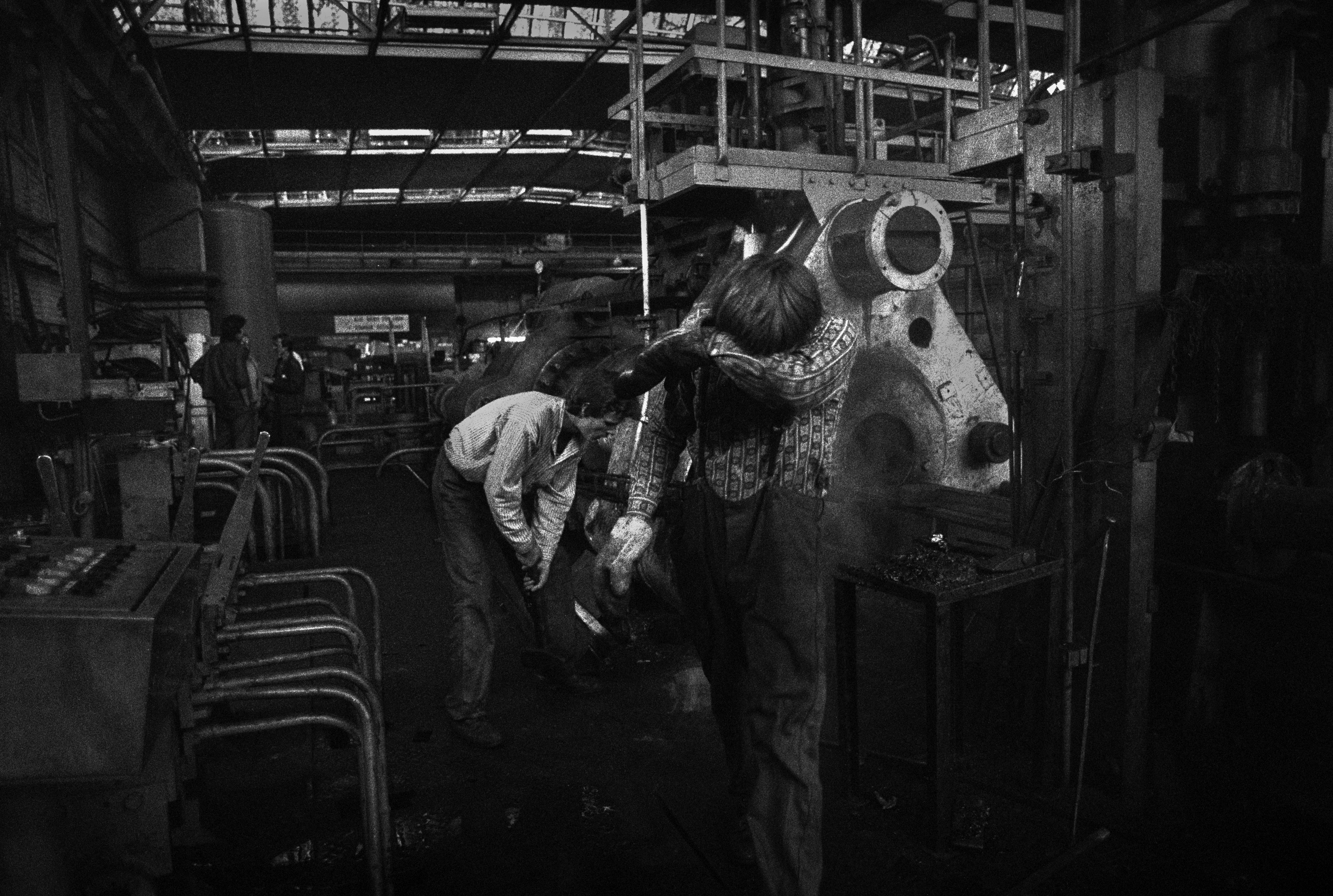
The photo shows two workers handling heavy equipment in a factory and who appear to be extremely exhausted.
Günter Krawutschke later wrote about this scene in the BMHW: “This is one of the places where things got particularly tough. Metal was bent, pressed, rolled, and drawn, and the machines weren’t exactly what we’re used to today. You can see how grueling the work was and how they really had to toil there. The man is completely exhausted, and occupational safety was practically nonexistent. Whenever I came home from a factory like that, I always felt completely humbled.” SDTB, Historical Archive / Photo: Günter Krawutschke 1/1

30 Years since the Peaceful Revolution and the Fall of the Wall

In this role, Krawutschke unwittingly becomes the chronicler of a reality that only a few years later ceases to exist. Following the political upheaval of 1989– 90, there is radical economic change in East Germany. Today, the factory buildings in which he photographed workers and youth brigades are often Asian markets or gentrified lofts.

30 years since the Peaceful Revolution and the Fall of the Wall: This anniversary is a fitting occasion to use these photographs to commemorate the actual reality of work in the late GDR – beyond any propaganda.
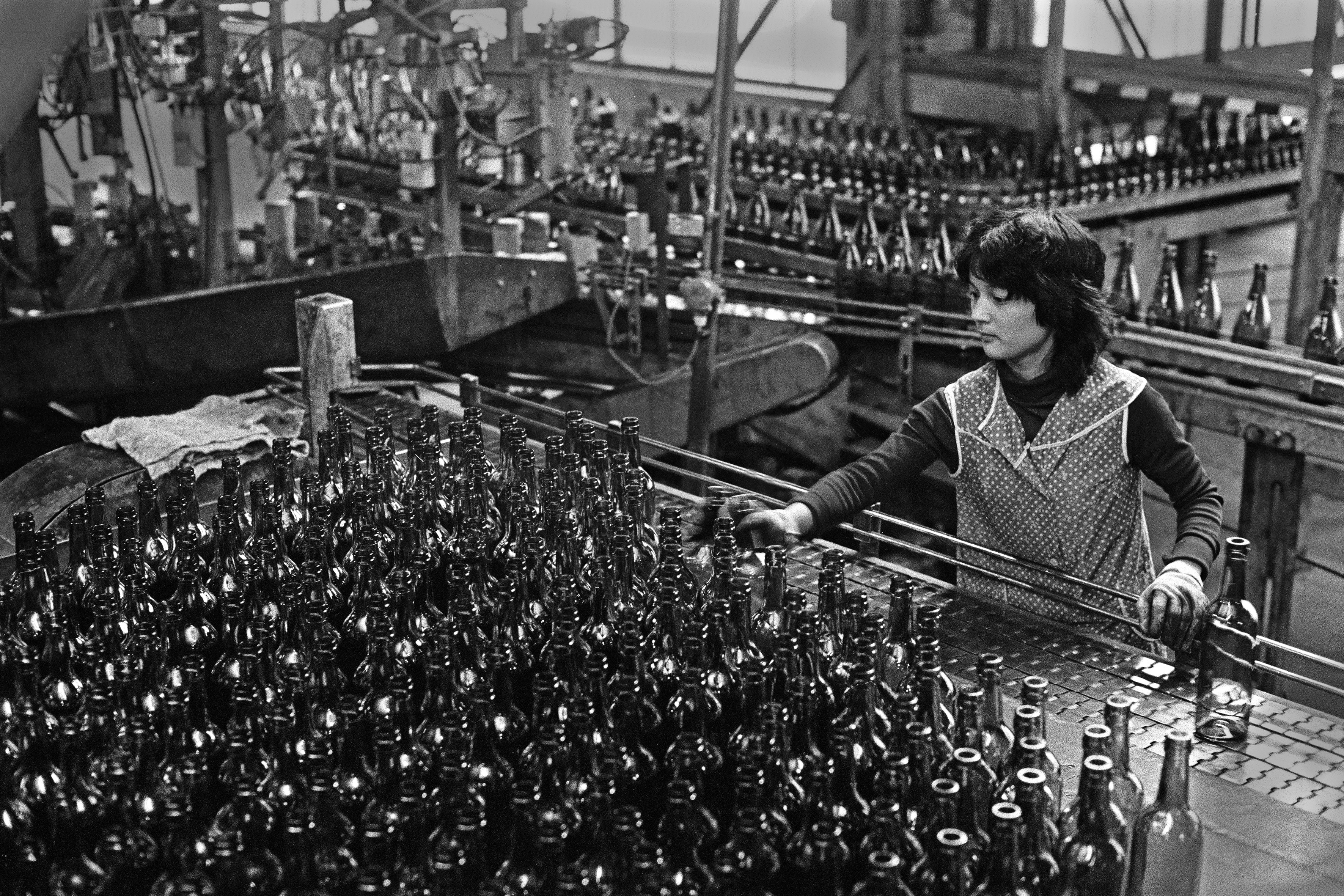
The photo shows a young woman of Asian appearance sorting glass bottles on a conveyor belt.
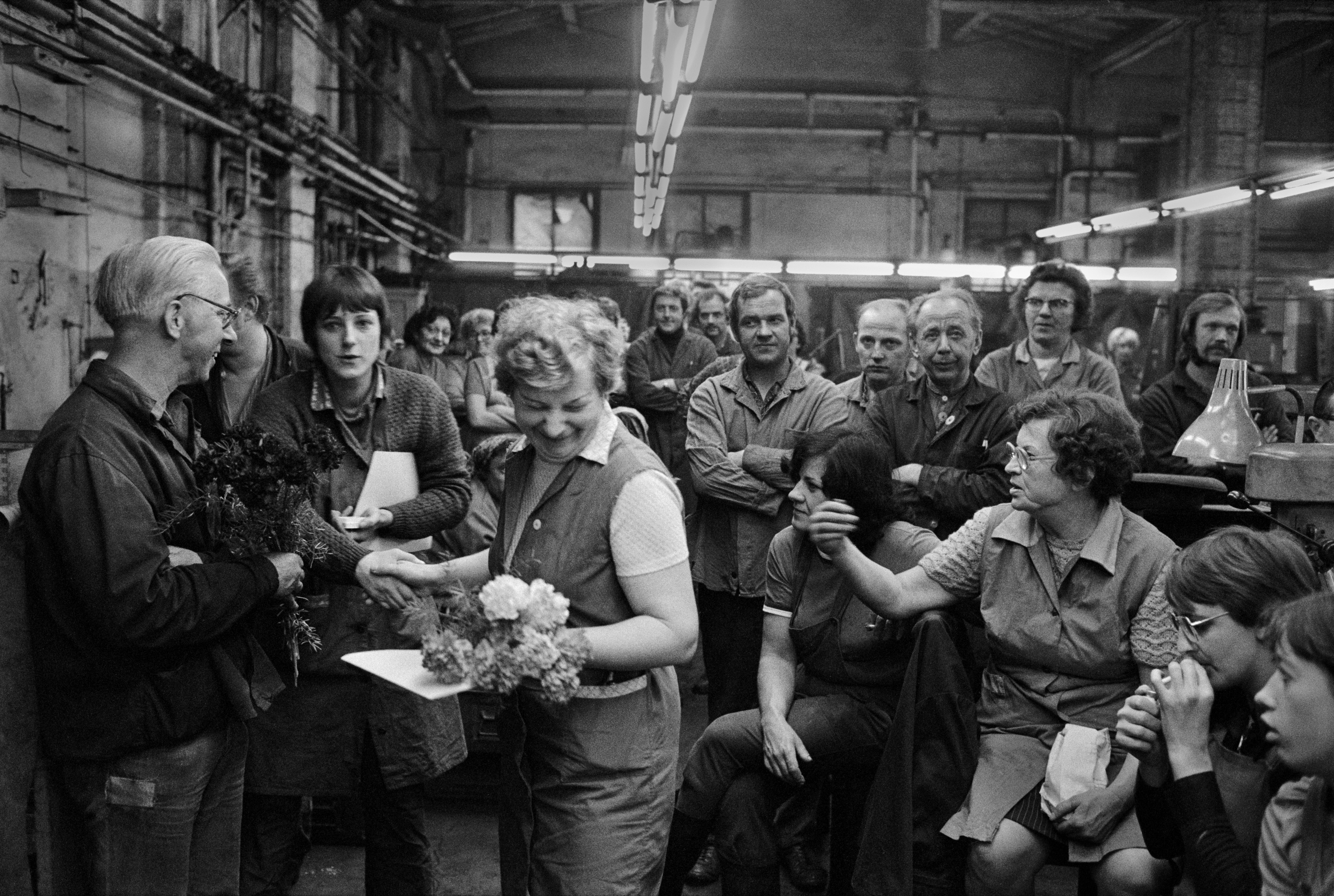
The photo shows people celebrating in a factory hall.
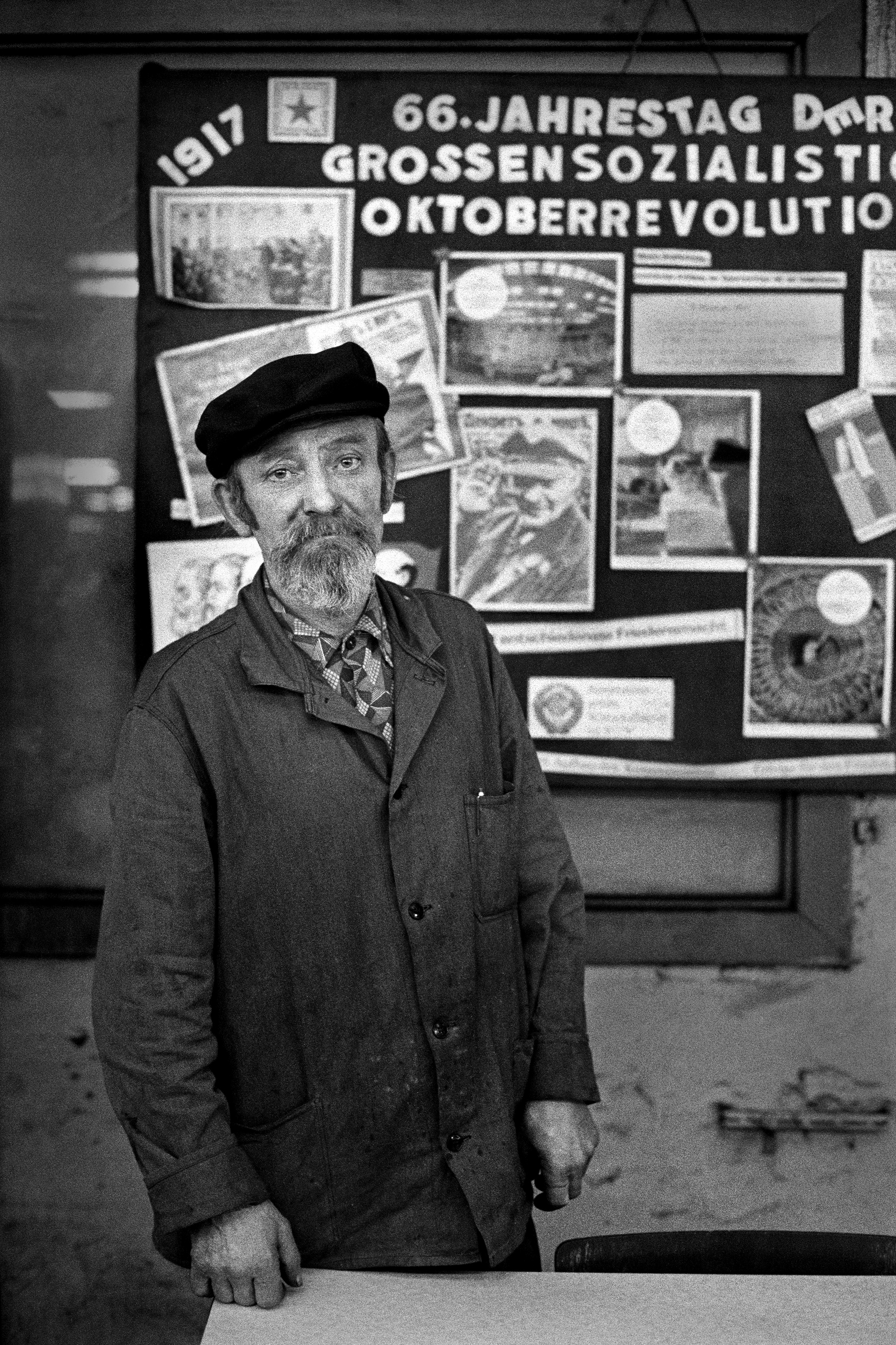
The photo shows a worker wearing a Lenin cap standing in front of a bulletin board with communist slogans and a photo of Lenin.
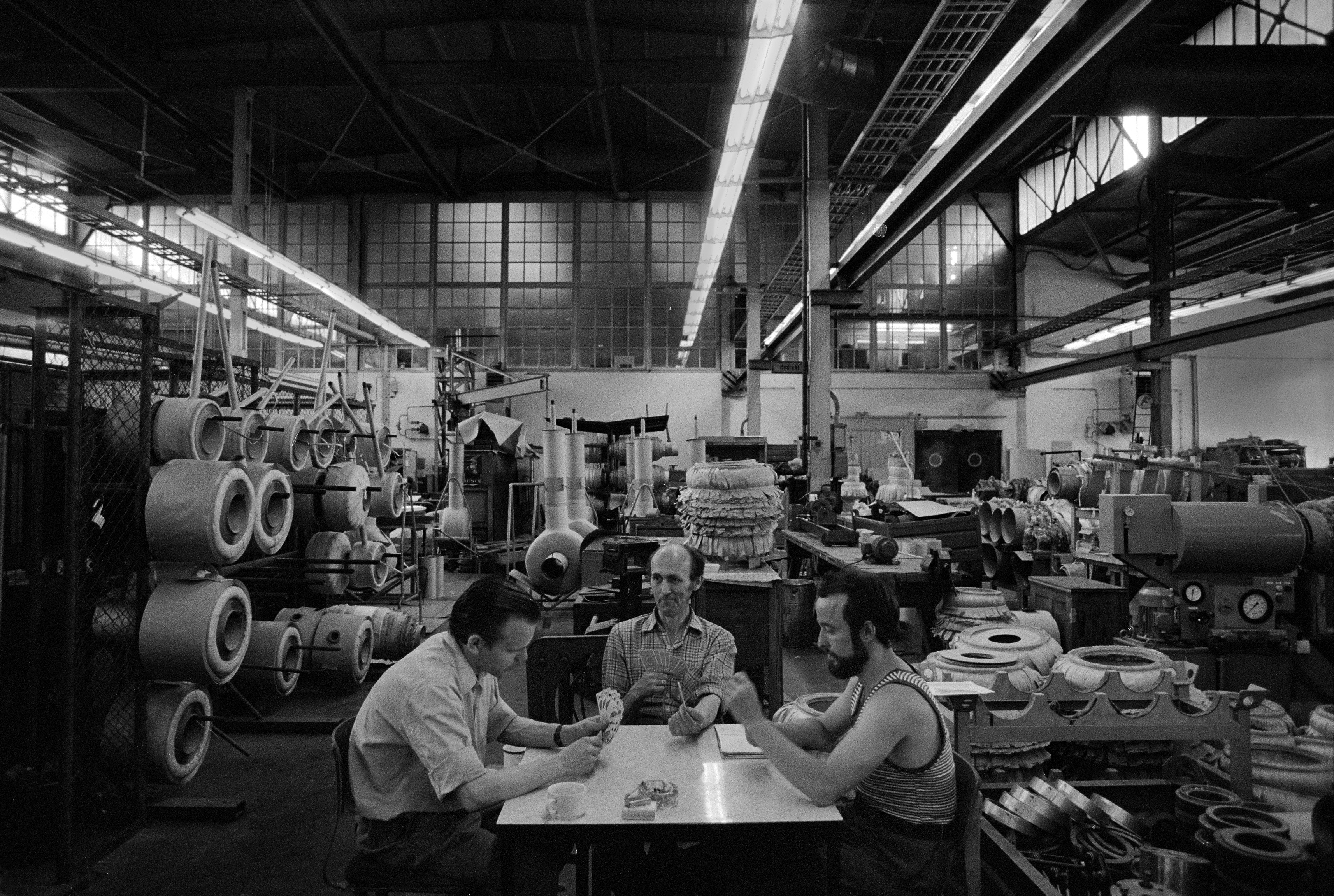
In the photo, you can see three men sitting at a table in the middle of a huge factory hall, playing cards.
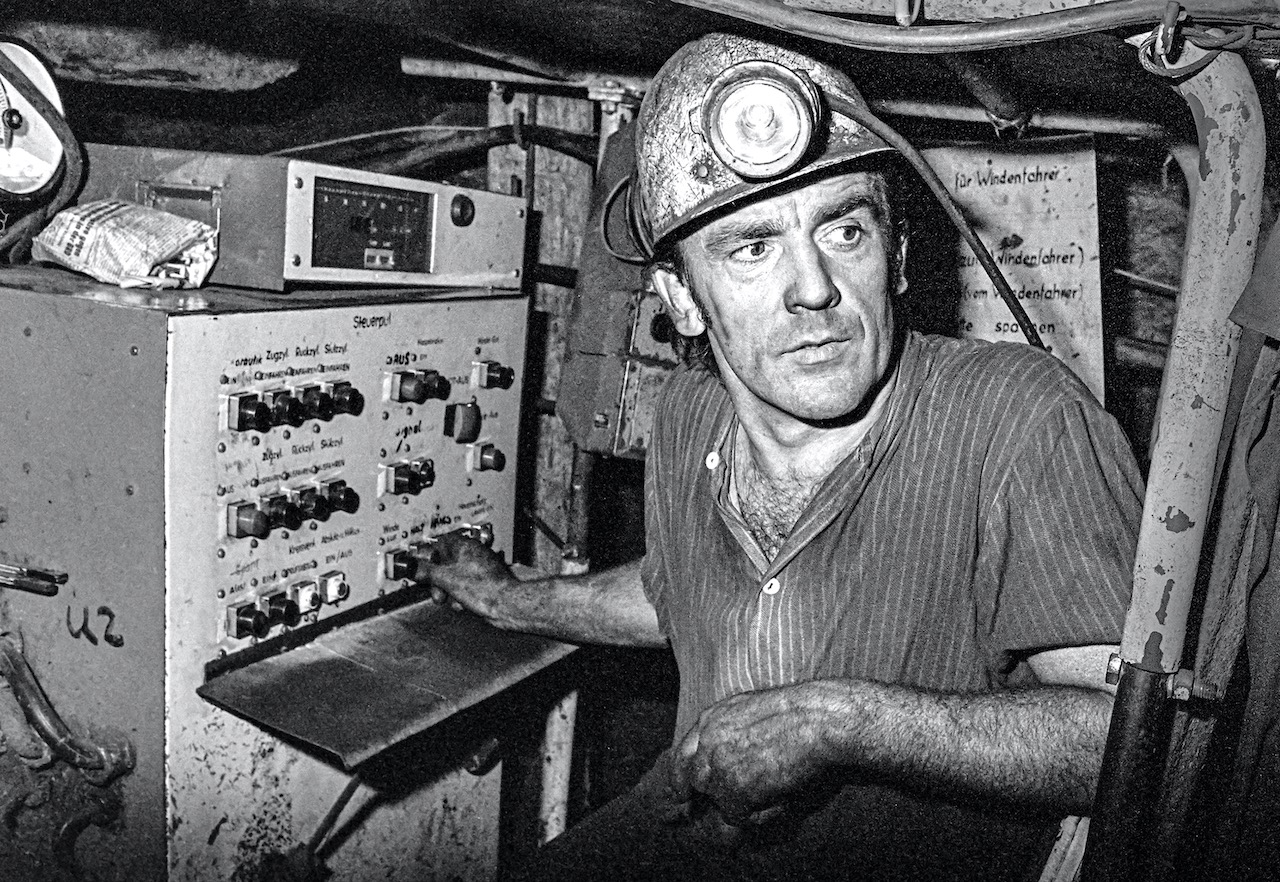
Underground: A close-up of a miner wearing a helmet and carrying a miner's lamp at a control panel.
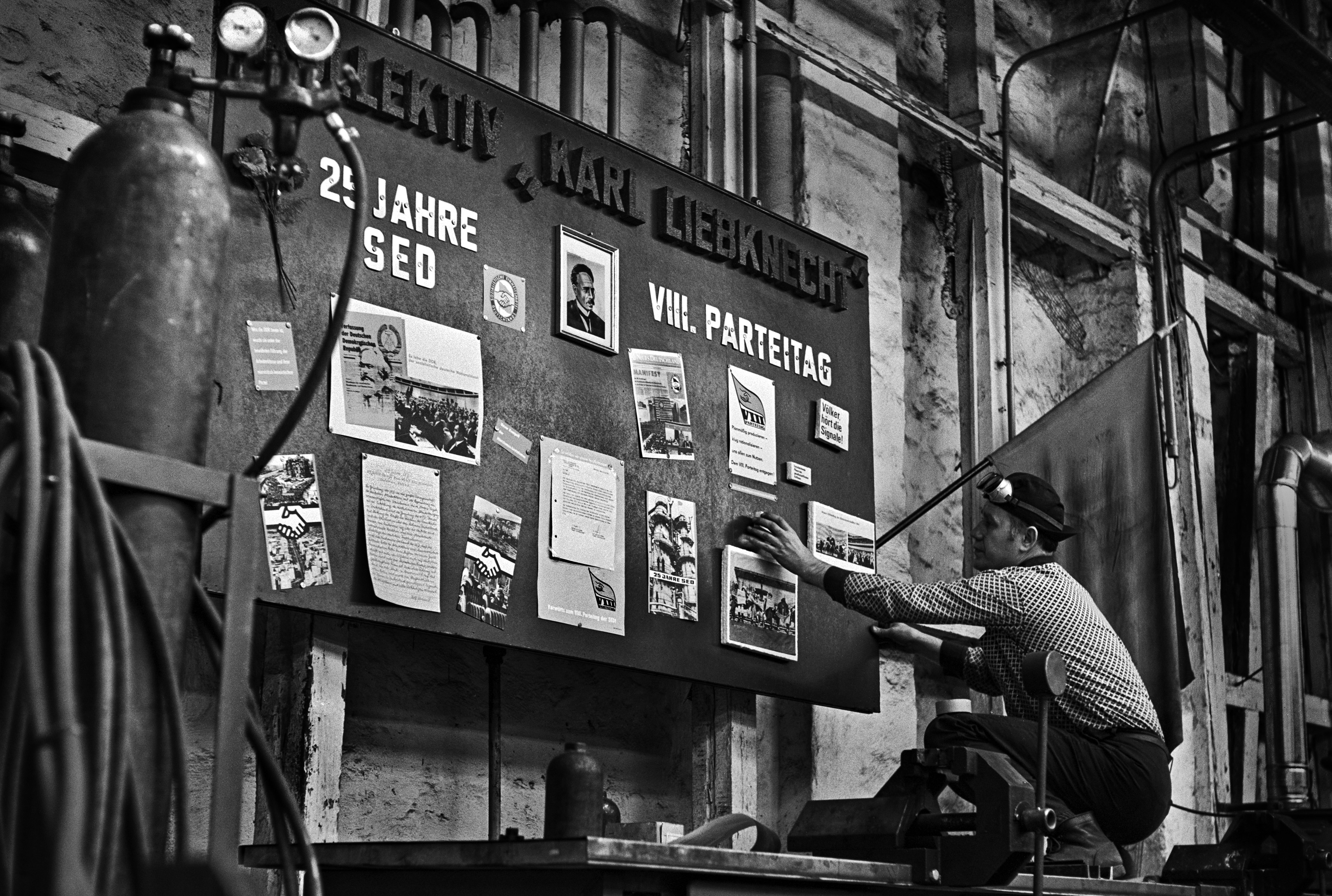
The photo shows a young man designing a bulletin board—with photos and slogans.
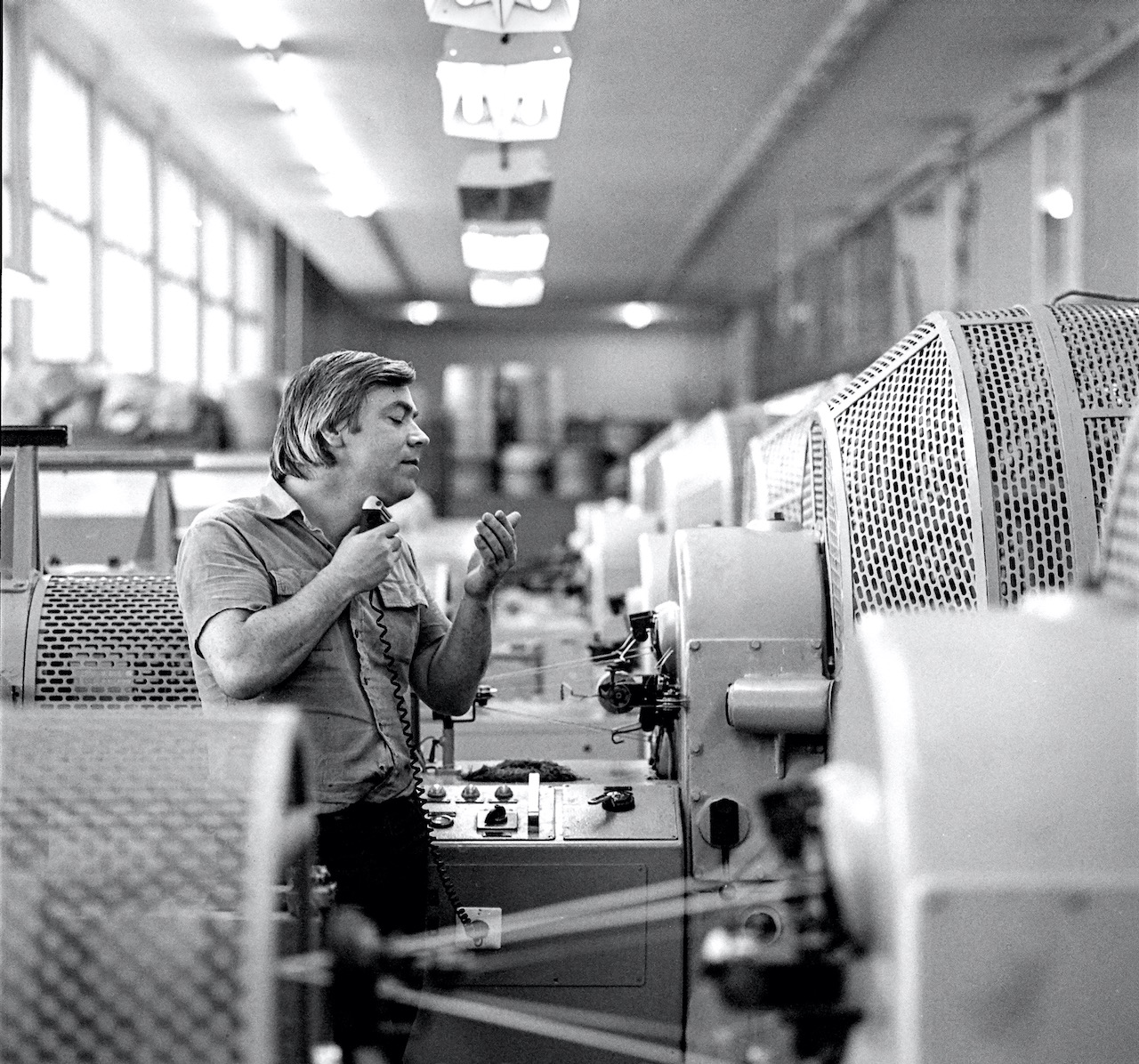
In a factory, a man is standing at his workstation, shaving with an electric razor. He is holding a small mirror in the palm of his hand.
The photo shows a woman in a coal-stained work smock, laughing as she combs her hair.
By the time the Berlin Wall was built in 1961, approximately 3.4 million people had left the GDR for the West. The resulting labor shortage was still felt well into the 1980s. For this reason, the regime signed agreements with other socialist states to specifically recruit workers from those countries. SDTB, Historical Archive / Photo: Günter Krawutschke 1/8

The Photographer

Günter Krawutschke was born 1940 in Staßfurt, Saxony-Anhalt. After secondary school and military service, he worked as an assistant cameraman at GDR television (DFF) in East Berlin. He was as a reporter and photographer for a Berlin publishing house between 1965 and 1992. Since then he has been a freelance photographer and designer.

While still working, he completed an apprenticeship as a photographer and then a Diplom degree at the Academy of Visual Arts Leipzig. He was a member of the Association of Fine Artists in the GDR. Besides industrial portraits, he focused in particular on architecture in the centre of Berlin – for instance by documenting the Spandauer Vorstadt, reconstruction of the New Synagogue on Oranienburger Straße in Berlin from 1988 to 1995, or the development of Friedrichstraße since 1990.
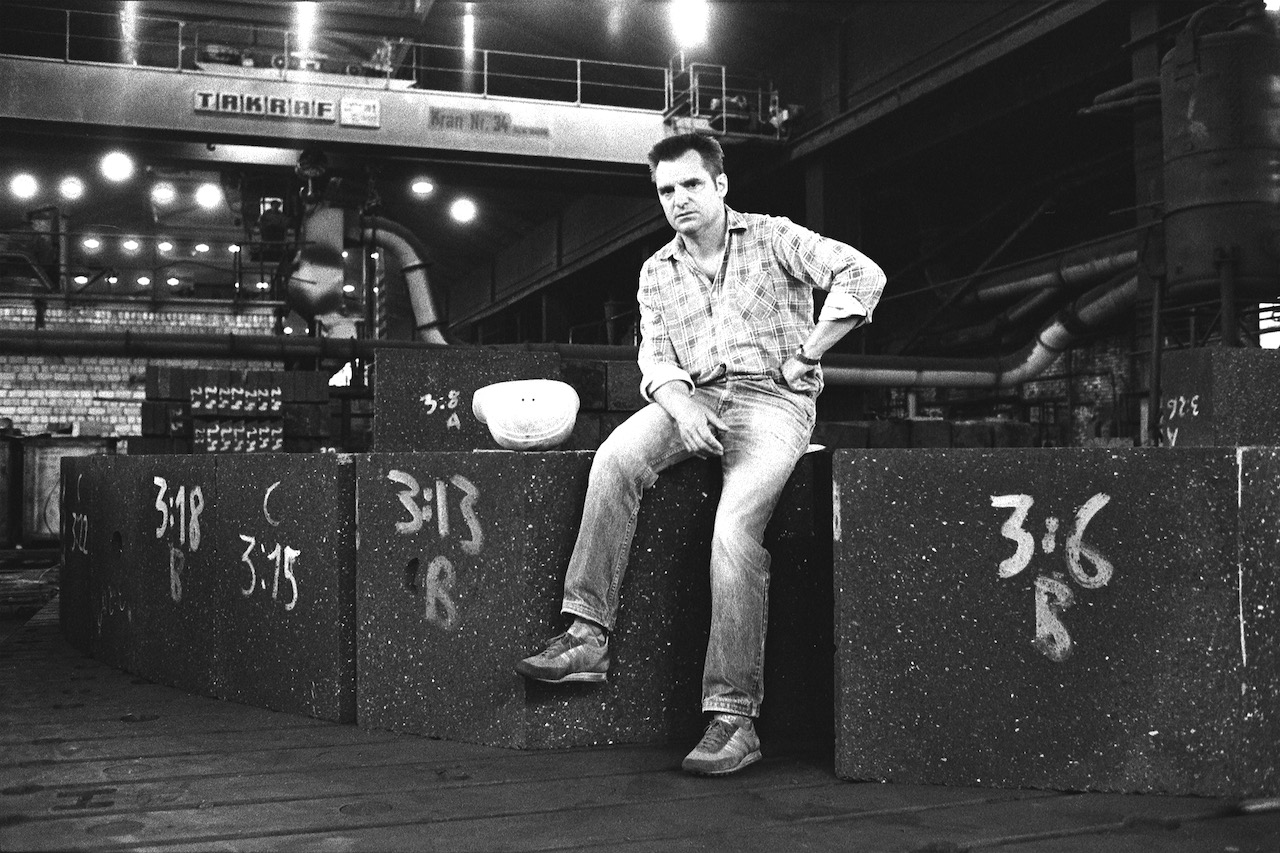
Photographer Günter Krawutschke is sitting on a concrete block in a factory hall, wearing a plaid shirt, jeans, and sneakers. A hard hat lies next to him.
Günter Krawutschke at VEB Elektrokohle Lichtenberg (EKL), Berlin, 1985 SDTB, Historical Archive / Photo: Günter Krawutschke 1/1