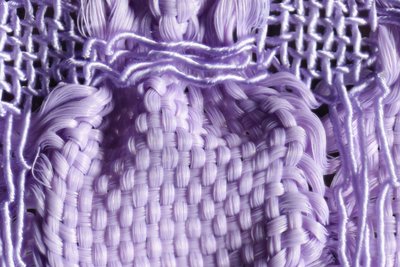
A Journey into the World of Textiles
We are surrounded by textiles all the time. They accompany us day for day, throughout our lives. The industrial production of textiles started in Germany around 150 years ago. There were thousands of different fabric types for all kinds of purposes in the early 20th century. Knowledge of manufacturing methods has fallen prey to the onset of rationalisation since the 1930s.
Whipcord, Häkelstab and Madras
Even the looms that were used to produce the textiles have disappeared as well. Only a fraction of this once bountiful wealth of structures, colours and woven materials can still be produced today.
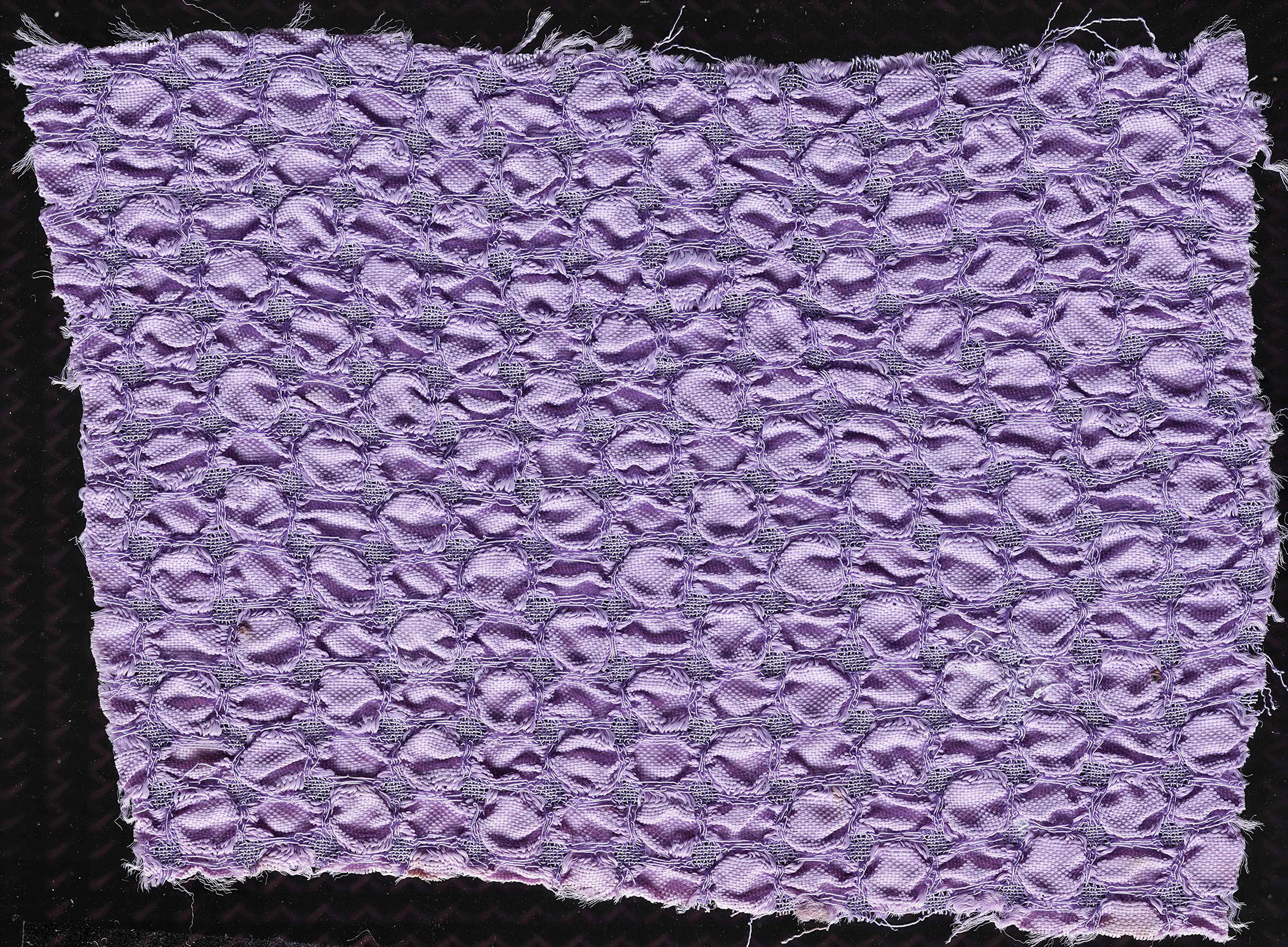
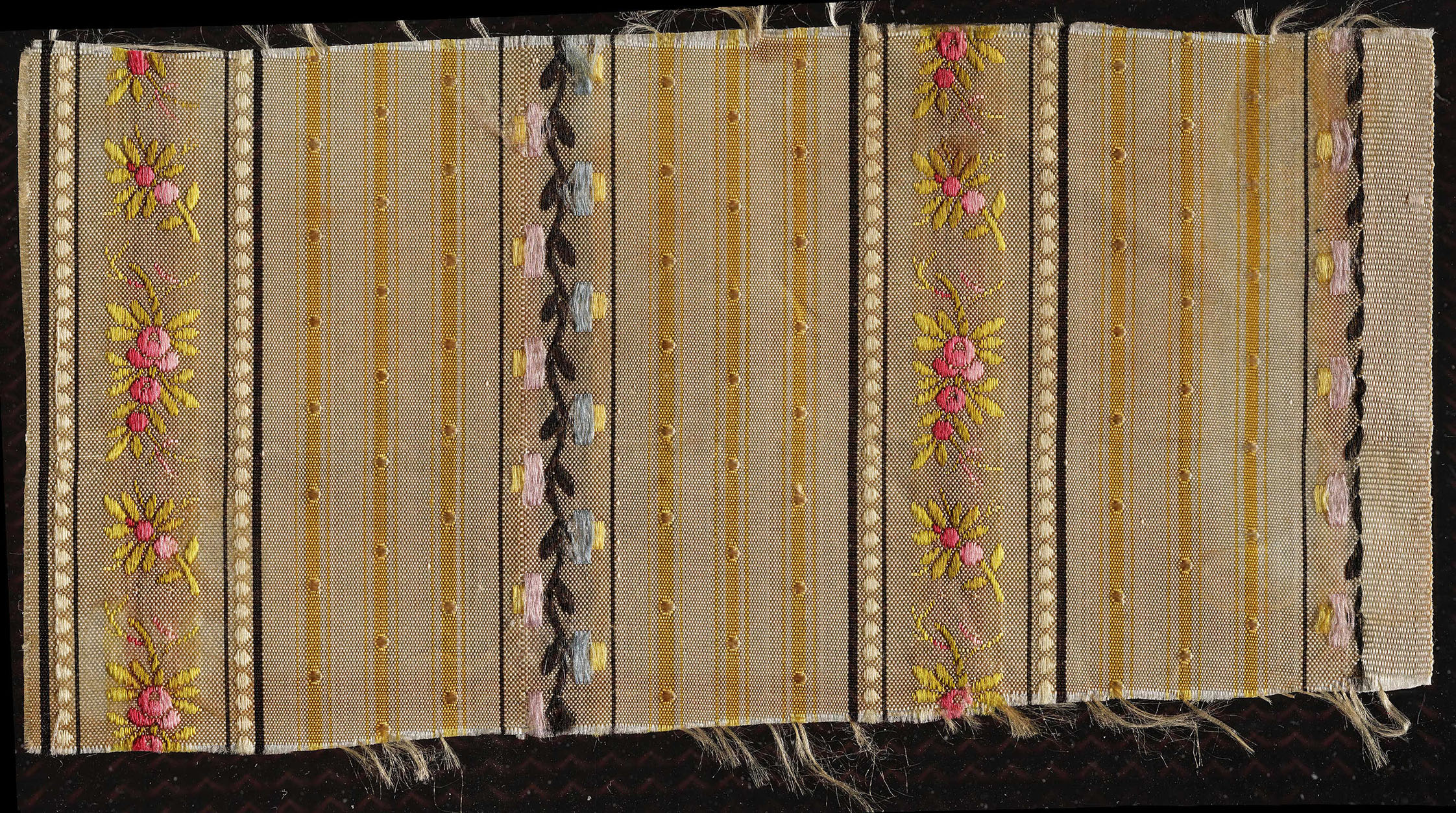
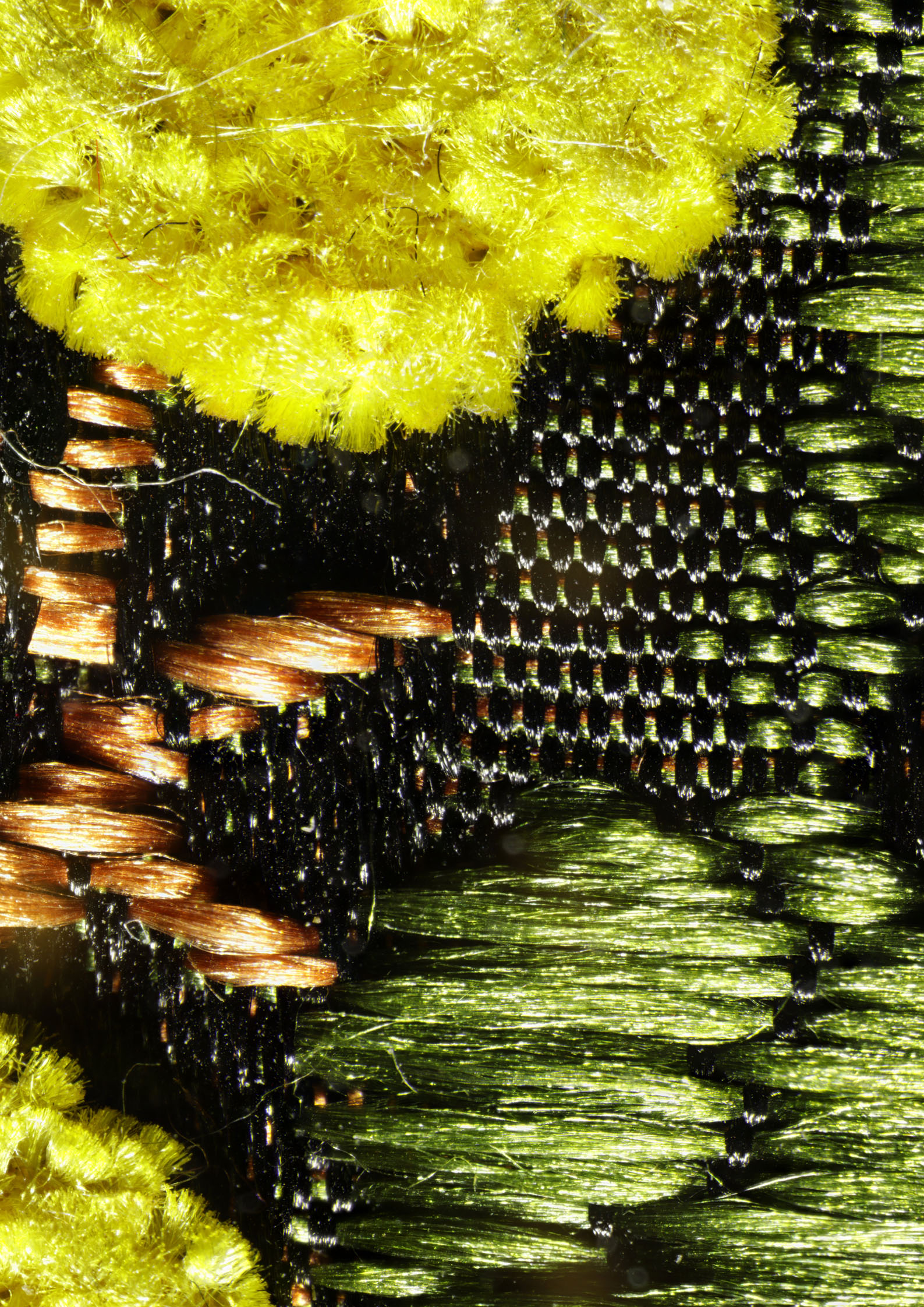
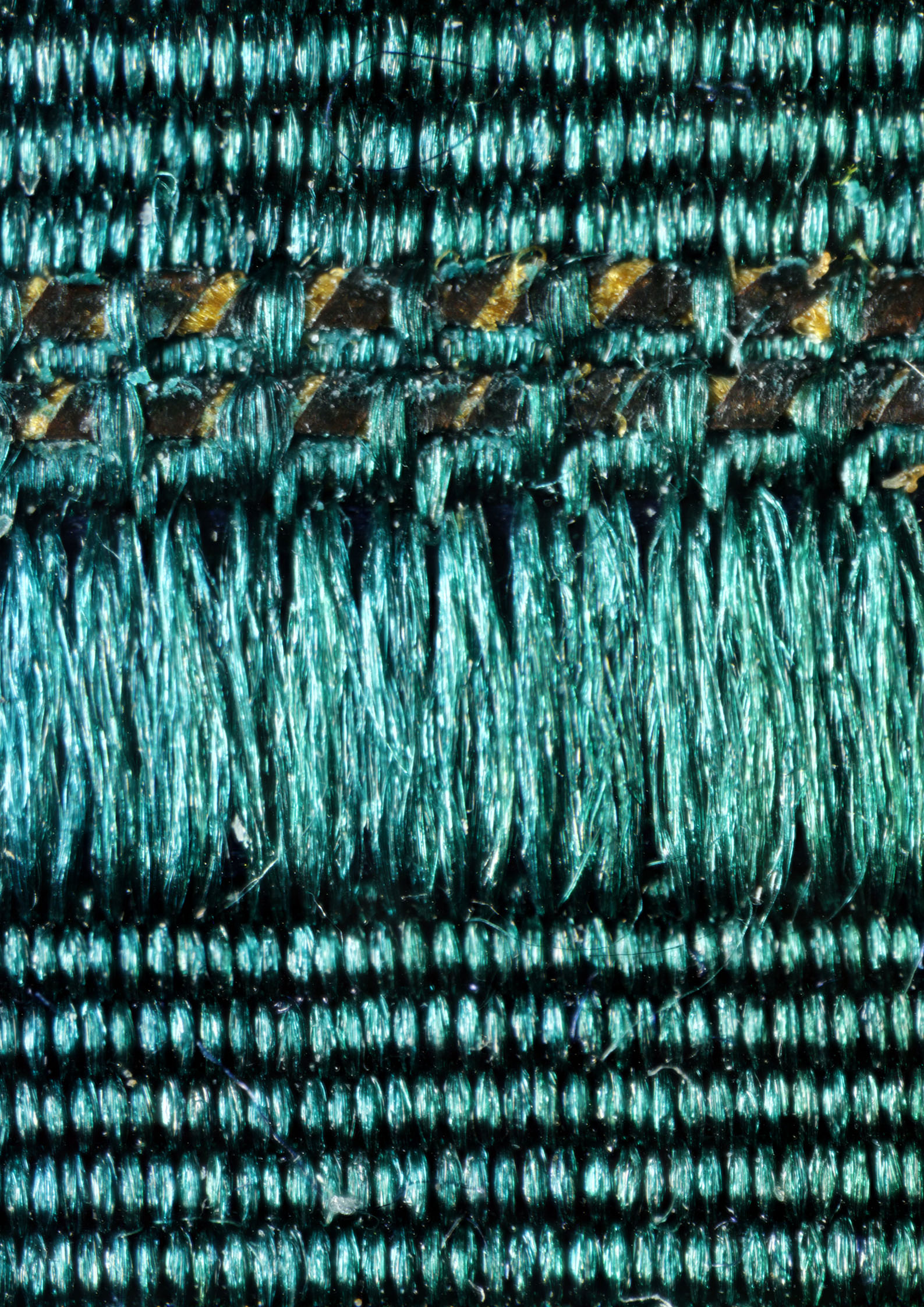
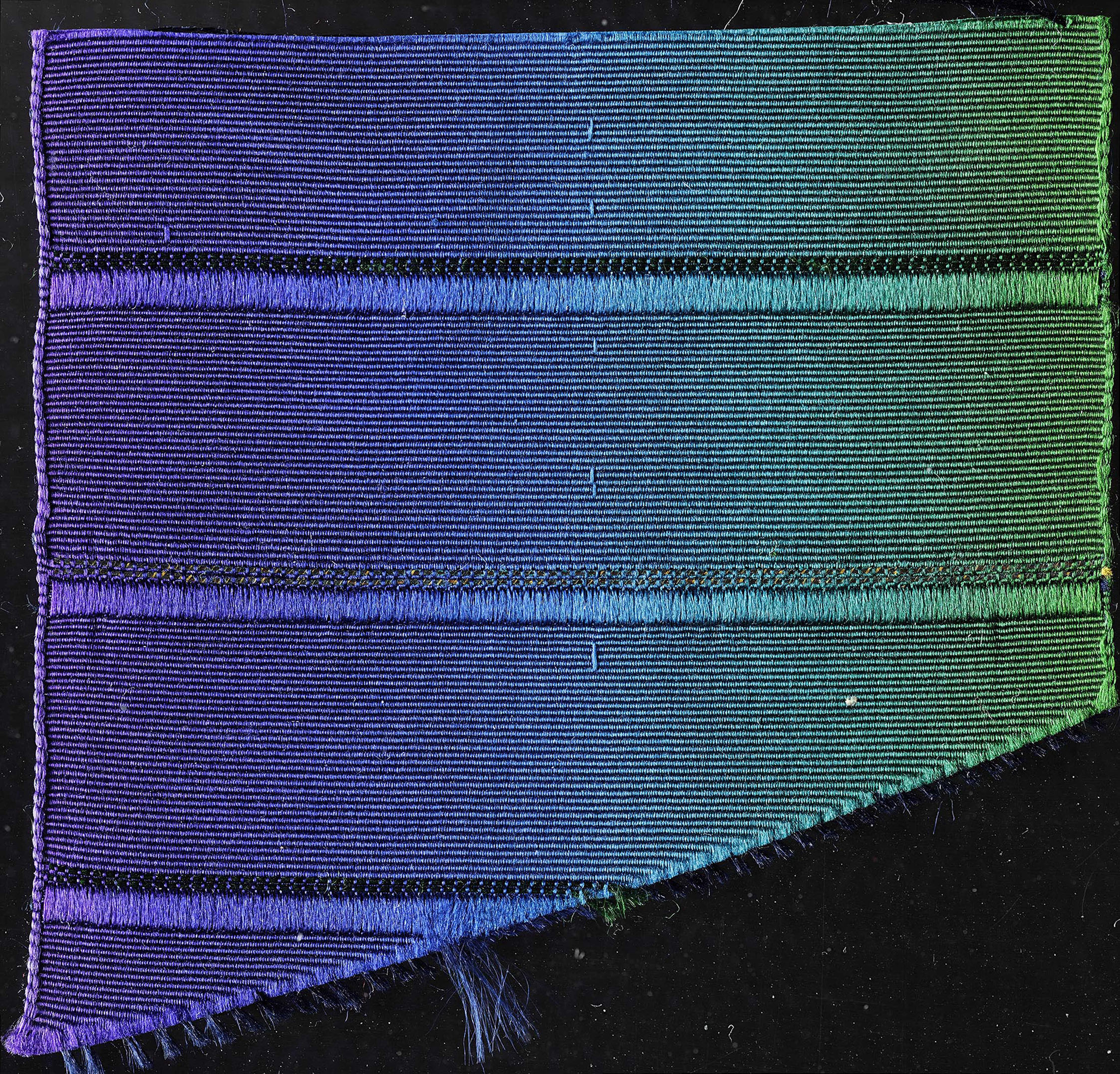
The exhibition "Hidden Structures A photographic journey into the world of textiles” provides glimpses into this lost world. Twenty selected textile samples bring these otherwise vanished woven structures back to life.
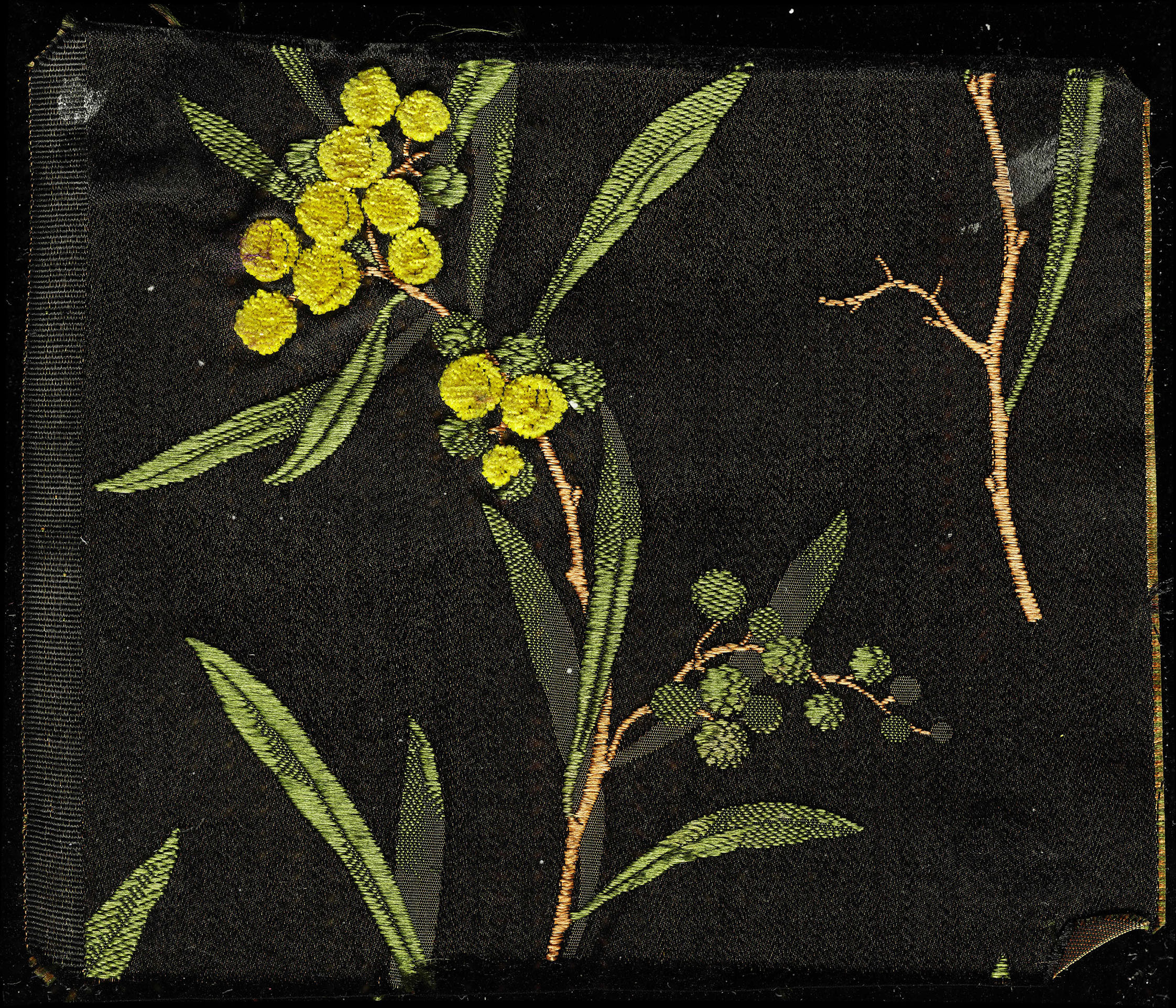
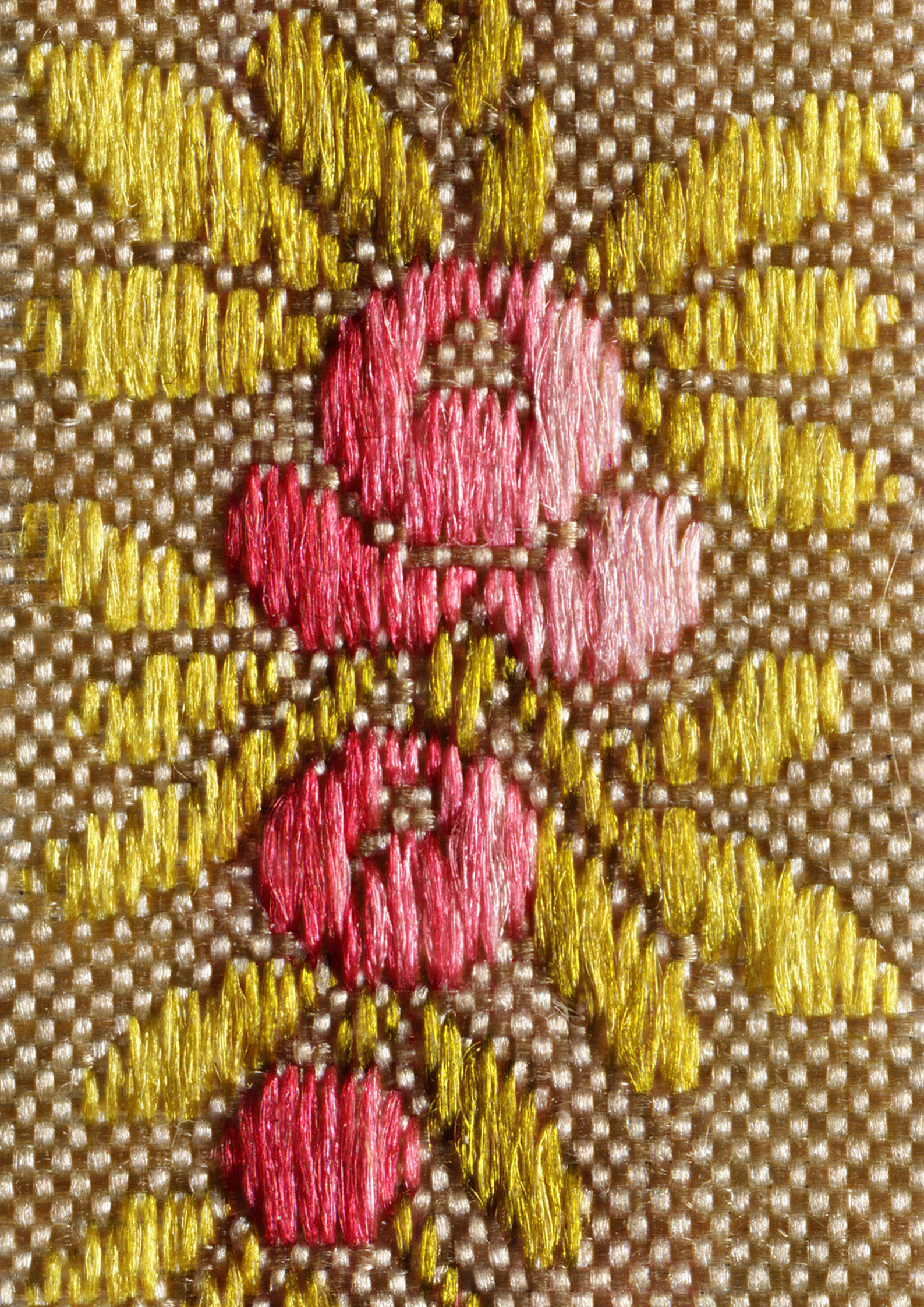
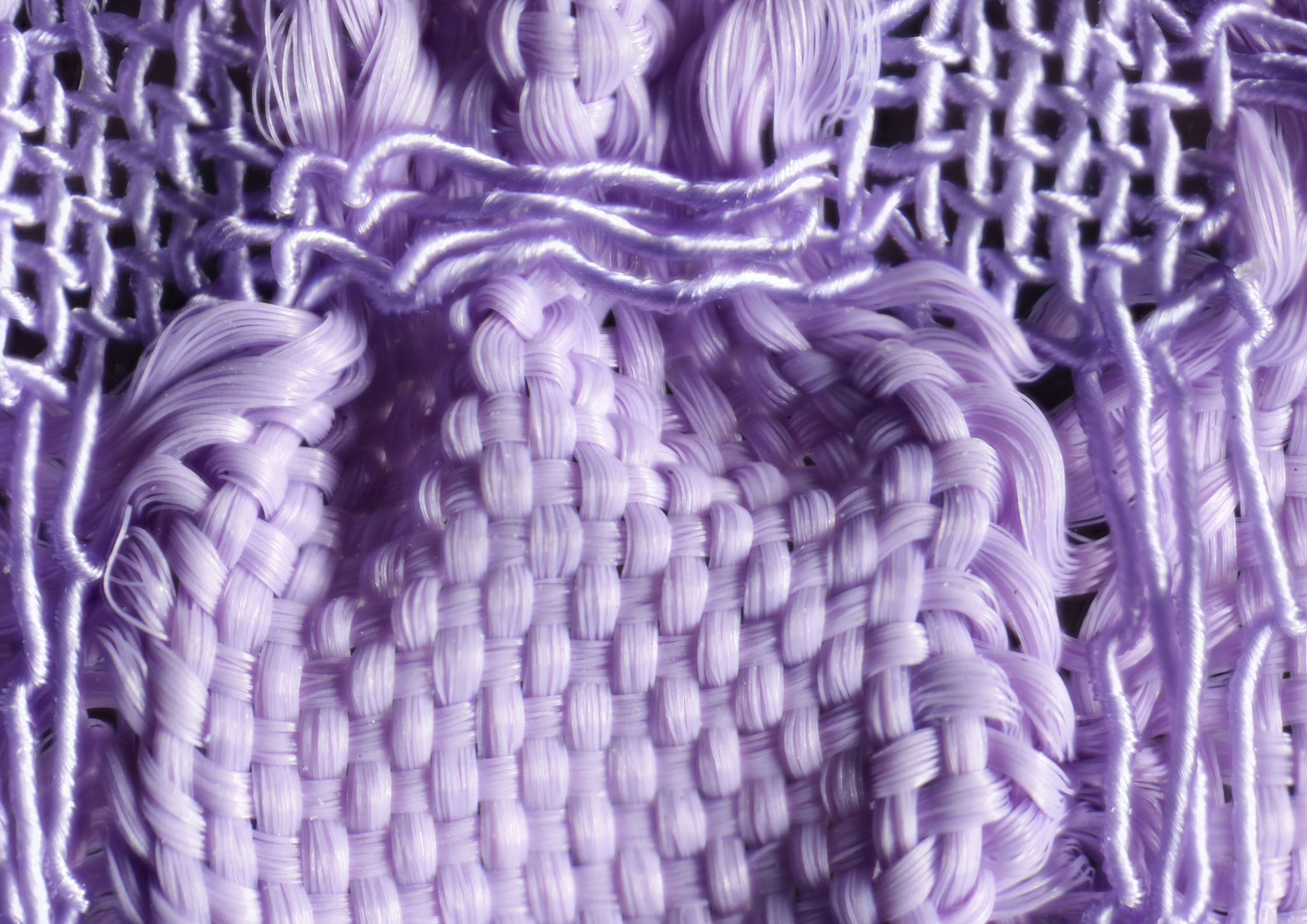
The microscopically detailed, high-resolution images taken by the Berlin photographer Heiner Büld unite the artistic and technical qualities of the textiles. This view into their structures reveals the deeply inherent aesthetics and uncovers the relationship between fabric, material and manufacturing technique. It also enables research into the manufacturing techniques, without damaging the sometimes tiny and fragile textiles.
Every attempt to capture what makes the expanse of these various textiles so special has failed so far in the absence of movement, draping and the reflection of light. The secret of the textiles lies in their occupation of space. The union between material and its binding is almost a sculpture in its own right. Moreover, colours and textures frequently change, depending on the perspective and light source. This is why retailers and traders continue to keep sample books, despite the considerable cost.
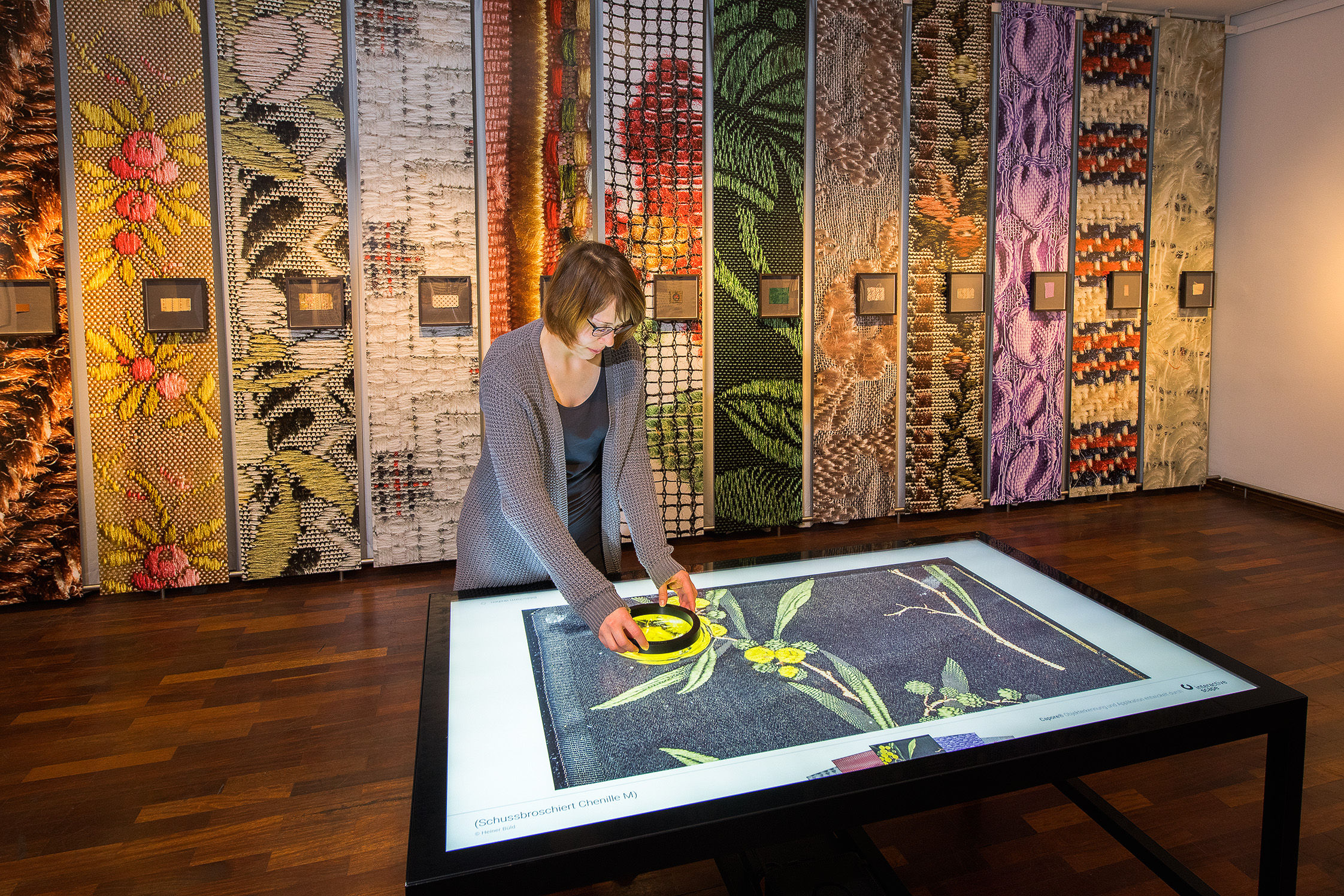
Interactive Multi-Touch Table with Zoom Function
During the exhibition, the highly enlarged fabric snippets are shown on 50 x 300 centimetre wall panels.
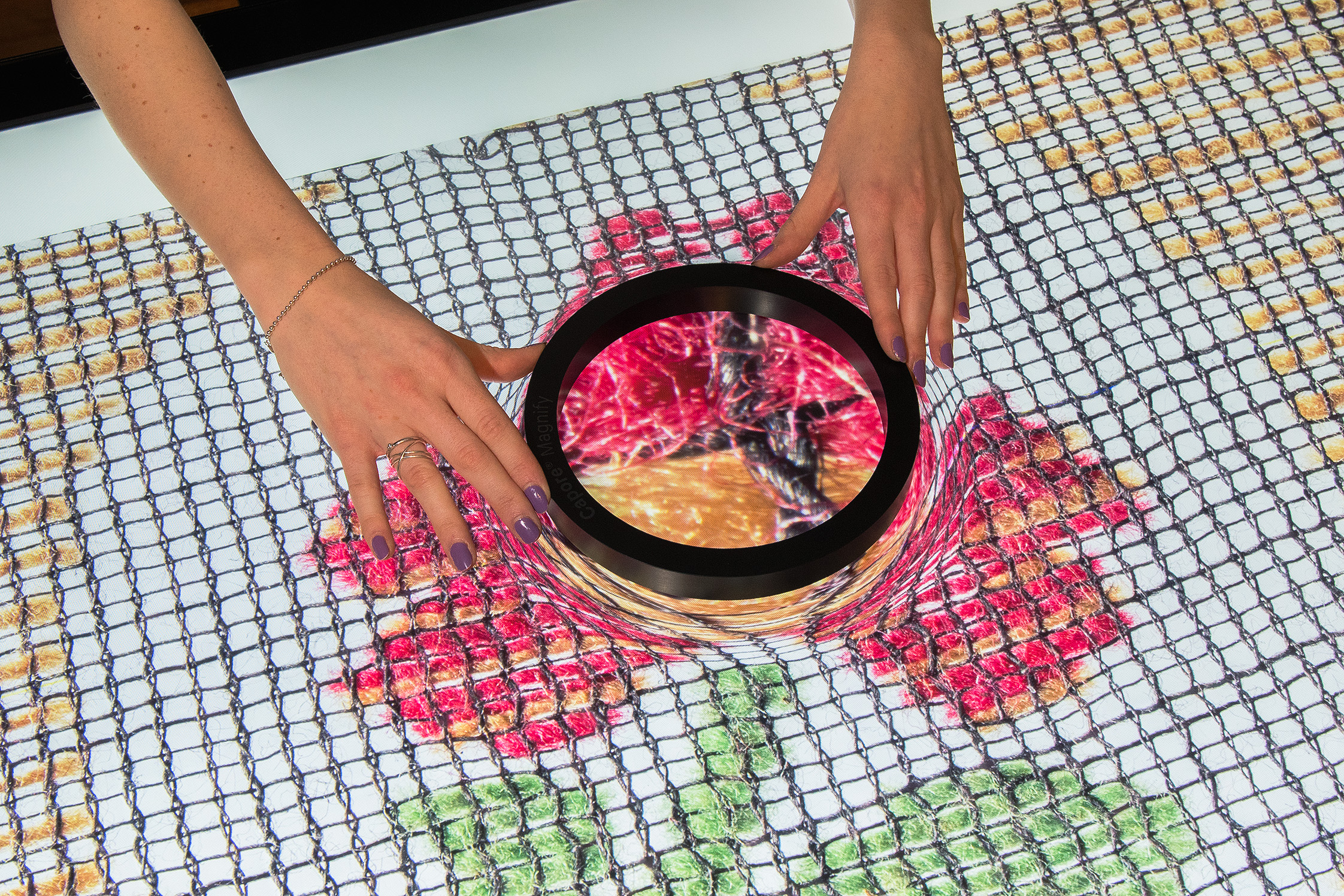
Five selected digital images of the fabric samples can be inspected in more detail at the multi-touch table by the Berlin firm Interactive Scape GmbH. Digital high-tech zoom functions allow users to explore the inner structures of the textiles thanks to the intuitive rotate function. Doing so uncovers the various materials and bindings, as well as natural traces of use, loose threads and many more things.
The Wieland Poser Collection
Born 1941 in Weimar, Wieland Poser worked as a professor for fashion design/textile at the Burg Giebichenstein University of Art and Design in Halle an der Saale until 2006. He has researched everyday fabrics since the 1970s. This includes all textiles commonly used in domestic settings, so mainly clothing, furniture and decoration. The aim of his research was to produce a lexical compendium of all textile qualities from the period between 1880 and 1940. Poser recorded around 2,300 textile types and collected several hundred reference samples.
The German Museum of Technology took over his collection in 2016. The textiles are being inventoried and digitised in cooperation with HTW Berlin – University of Applied Sciences, under the leadership of Prof. Dorothee Haffner. Among other things, a project on historical textiles inspired students completing the fashion design course to create new motifs for textile printin
The Photographer Heiner Büld
Heiner Büld enrolled for a course in Chinese studies, philosophy and law at Freie Universität Berlin, before being recruited as an academic-artistic research assistant at Hochschule der Berliner Künste (today Berlin University of the Arts). He built the Department of Art and Media at Burg Giebichenstein University of Art and Design in Halle (Saale) and now works as a freelance photographer. His images capture the three-dimensional qualities of the textiles. Not only does this require technical skill in the microscopic handling of the camera, object and light, it also relies on the opportunities of digital photo-editing. Heiner Büld lives and works in Berlin.