Papermaking
What's it About?
The history of paper dates back more than 2,000 years. The most important methods of artisanal papermaking have always evolved in direct interaction with regionally available resources, such as raw materials and water. The three main techniques are the Asian, the Arab-Persian, and the European techniques. This small permanent exhibition focuses primarily on the European technique.
Leaf by Leaf: Shredding, Soaking, Pressing, and Drying
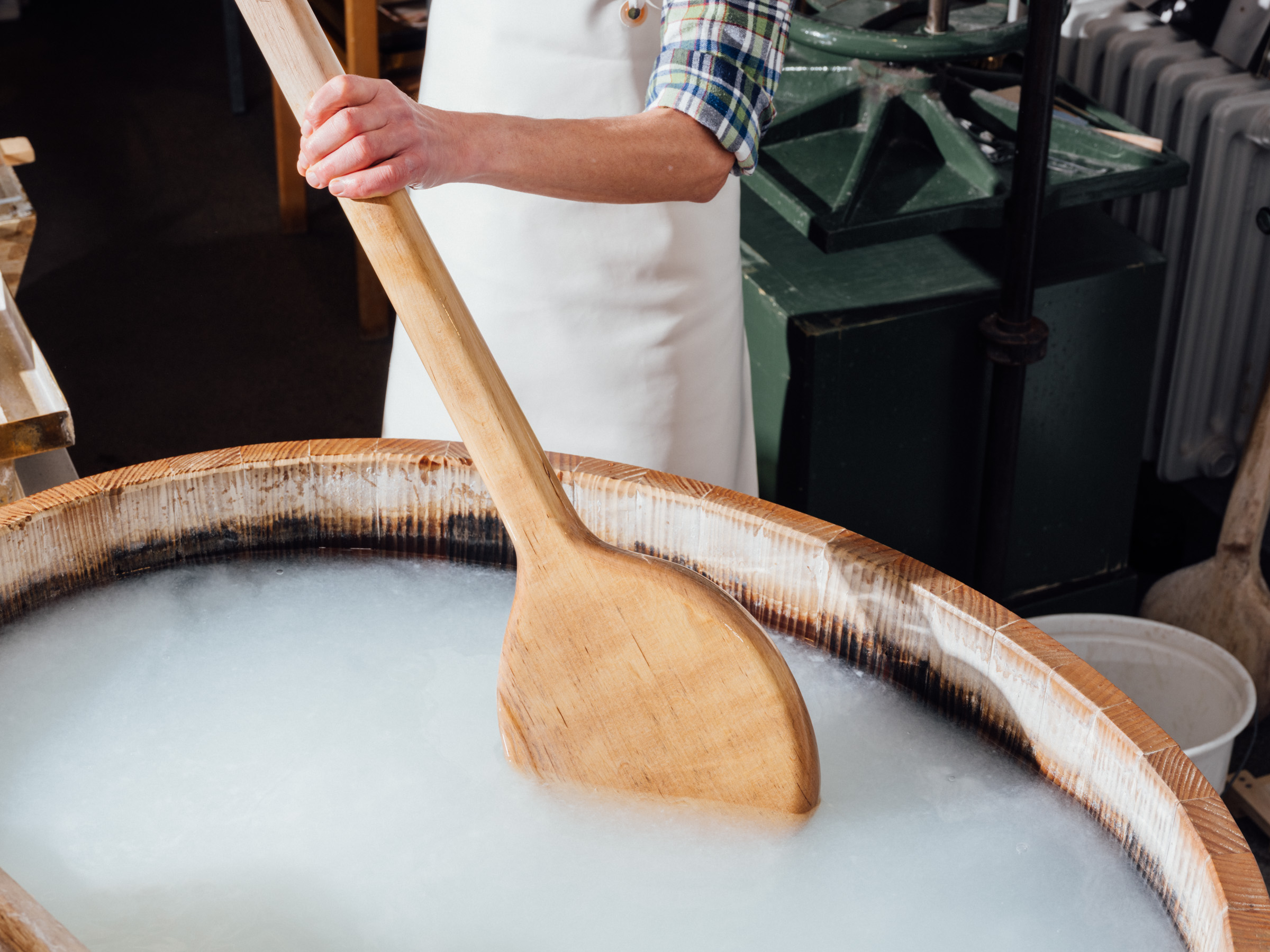
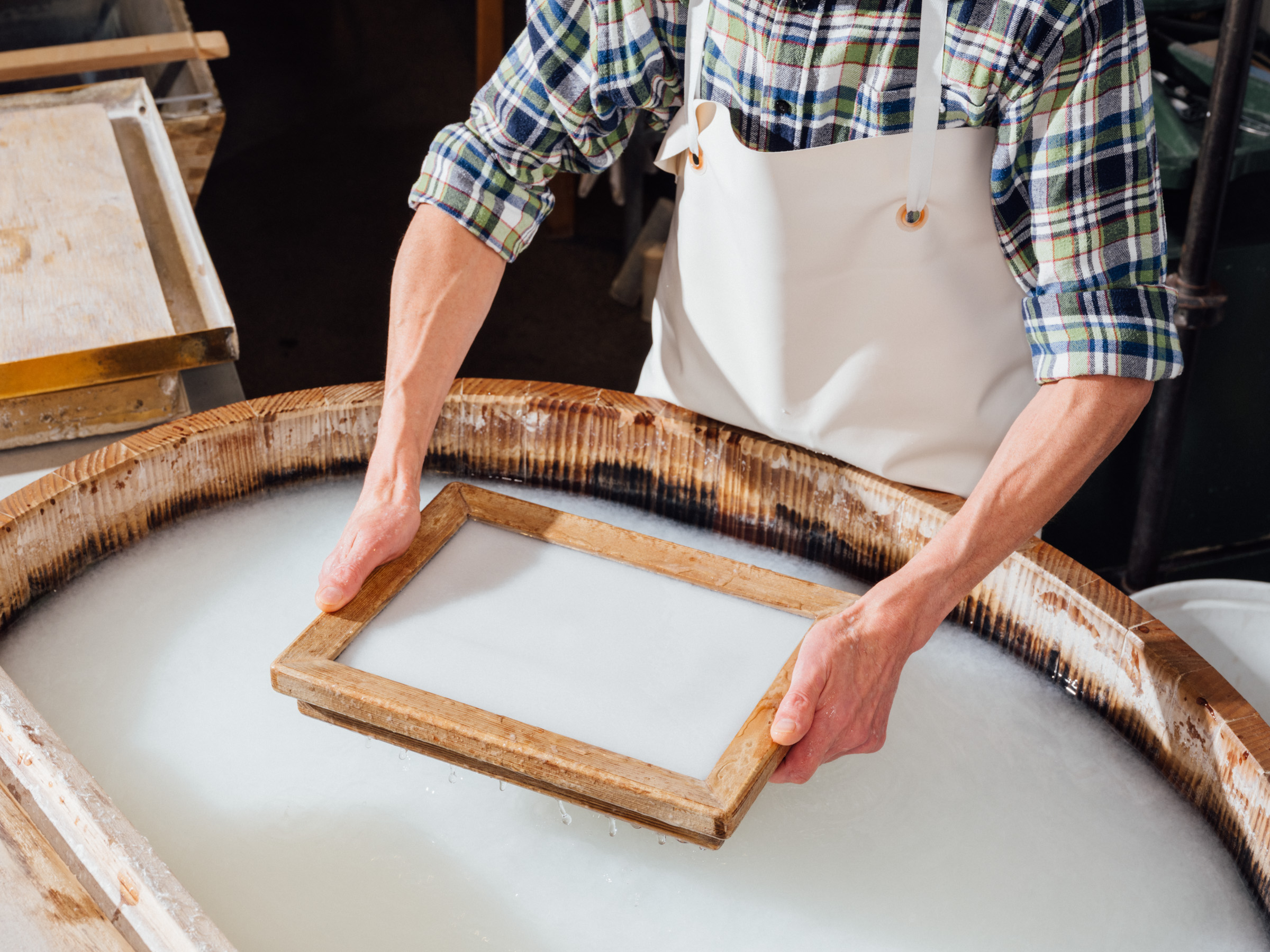
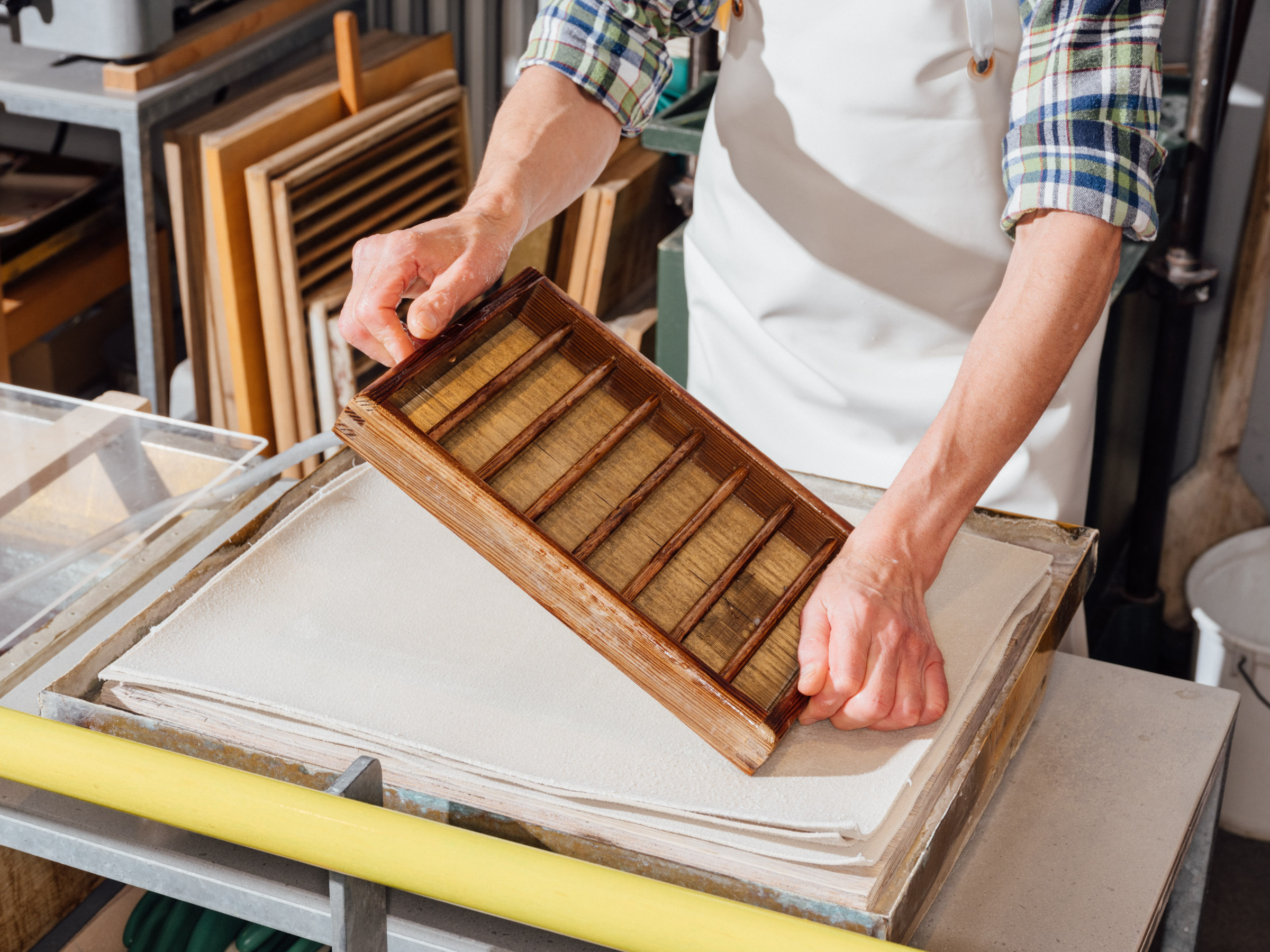
Regardless of whether paper is made by hand or by machine, the key production steps are virtually the same. Paper is usually made from plant fibers, as well as fillers, sizing agents, and dyes. In paper production, the individual plant fibers are first broken up, pulped, and mixed with water to form a pulp. They are then dewatered using a paper-making screen and solidified through pressing and drying.
The Process of Papermaking
History of European Papermaking
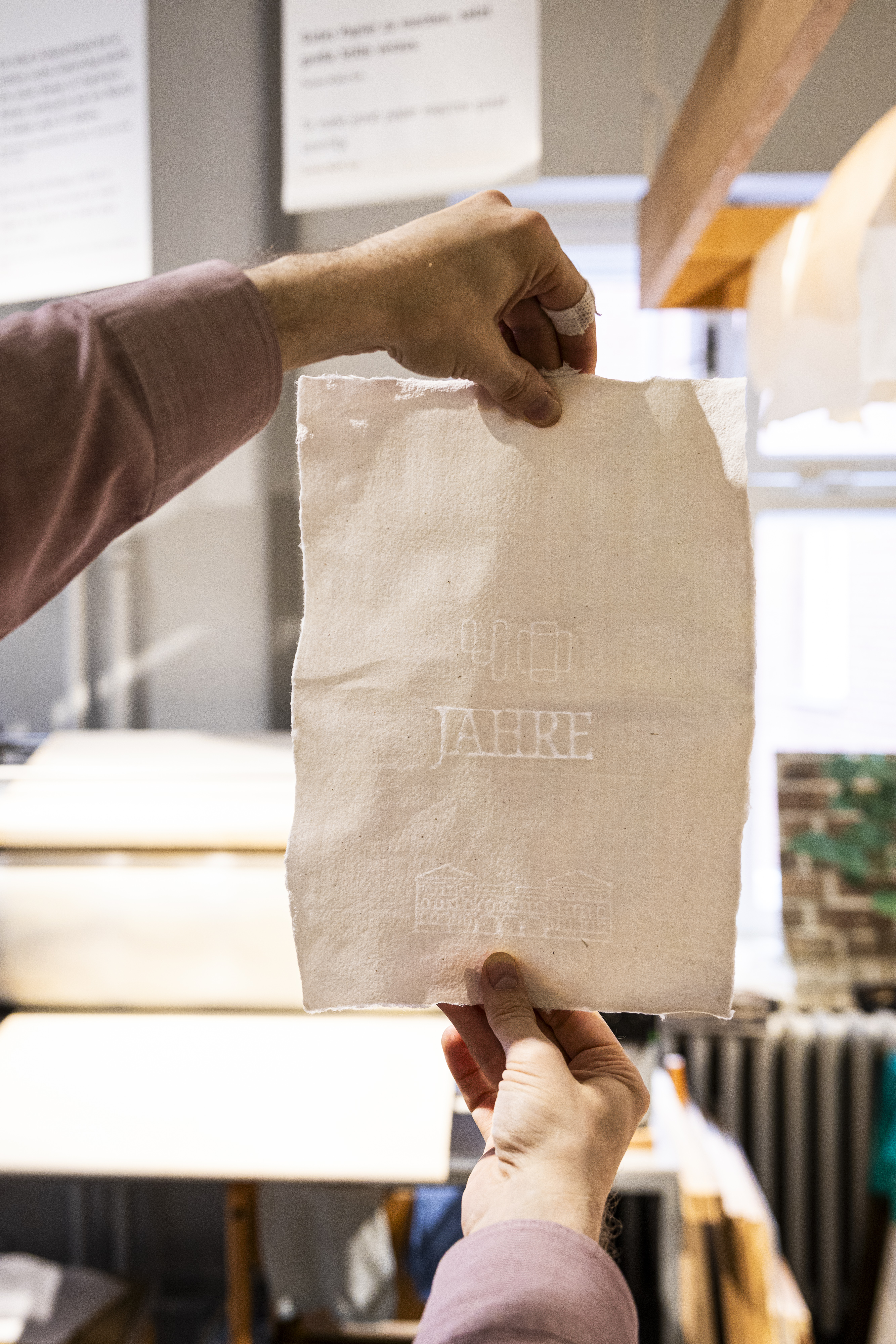
In Europe, paper production began in the 11th century in southern Spain and Italy. For a long time, paper in Europe was made from textile waste containing hemp or flax fibers, or from linen. The raw material remained the same, but the manufacturing processes changed: In the 13th century, artisanal, mechanized mass production emerged in water mills, where the rags were mixed with water, pounded, and processed into a pulp-like substance. At the same time, European papermakers refined the tools they used. Paper forms were now made of metal wire. This not only improved the quality of the paper but also made it possible to use watermarks.
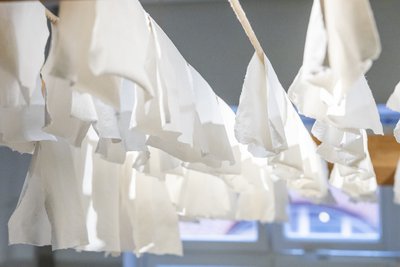
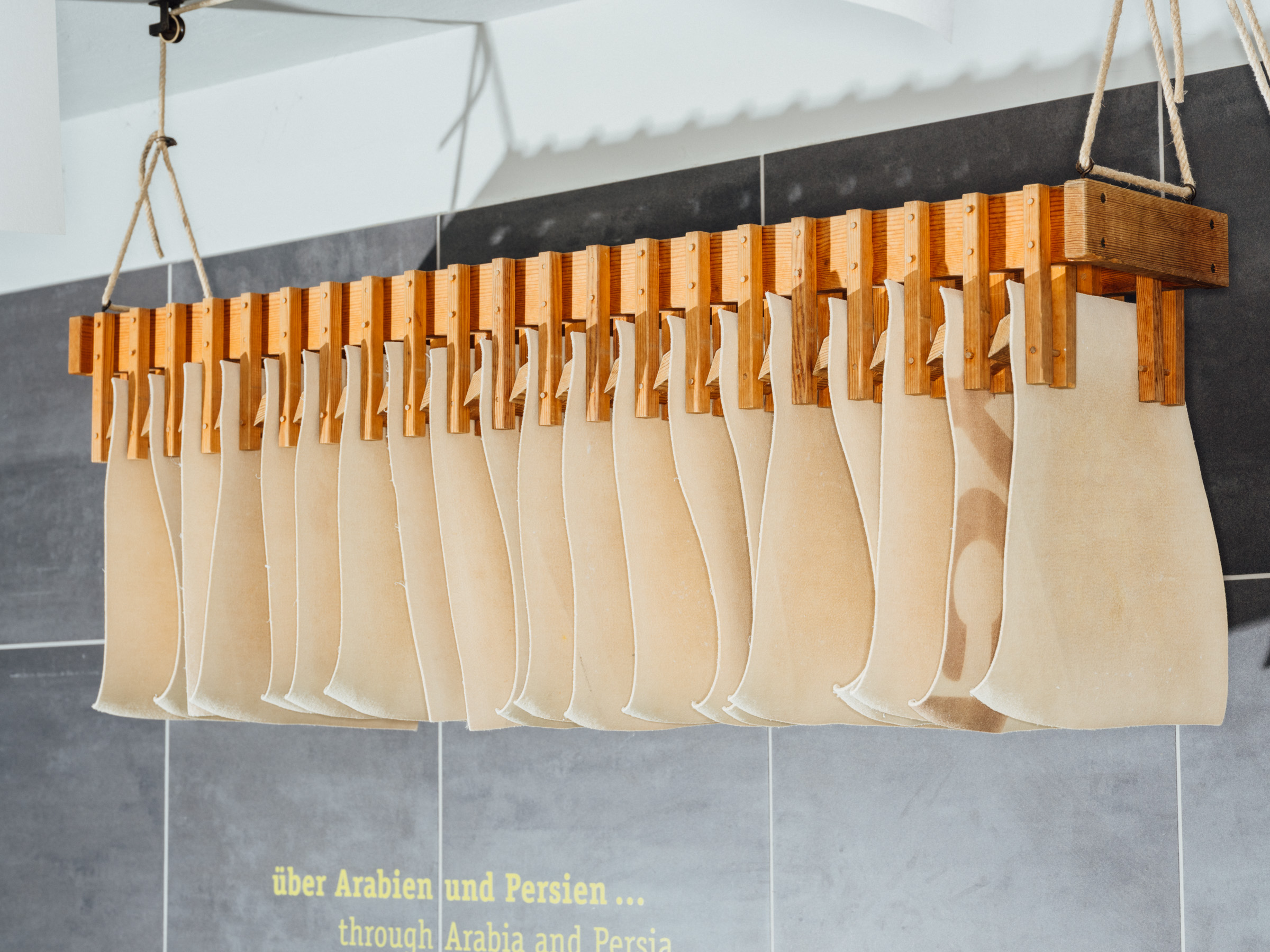
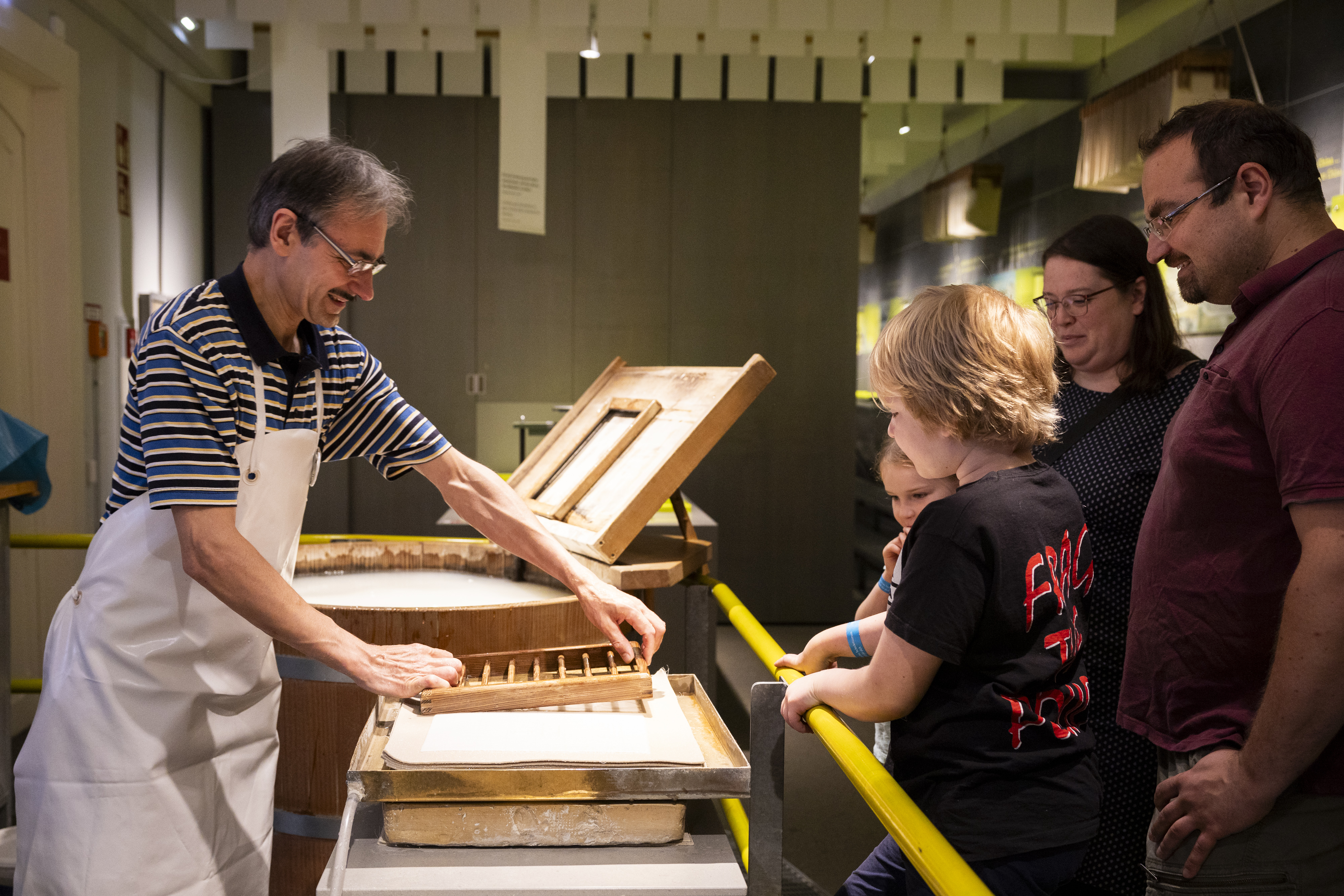
A timeline is displayed on large picture tiles on the wall of the exhibition hall. The exhibition hall is a former horse stable belonging to Carl Linde’s Society for Market and Cold Storage Halls. Former horse troughs serve as vats from which you can scoop the paper pulp during pre-booked workshops. Beneath the ceiling are drying racks where, just like on the drying floor of a paper mill workshop, the hand-made paper is hung up to dry. This motif was also incorporated into the exhibition’s scenography. During demonstrations, you can watch how paper is formed, pressed, dried, and smoothed.
From Sheets to Rolls: The Industrialization of Paper Manufacturing
In the mid-19th century, papermakers began using wood as a raw material and, as industrialization took hold, started employing machines. The invention of the “long-screen paper machine” by the French papermaker Robert in 1799 brought about a significant increase in productivity. Instead of forming individual sheets by hand, it was now possible to produce a continuous paper web. This invention marked the first step toward industrial paper production.
The exhibition features a prototype paper machine manufactured by Kämmerer in 1960, which was used at what was then the Federal Institute for Materials Testing in Berlin.
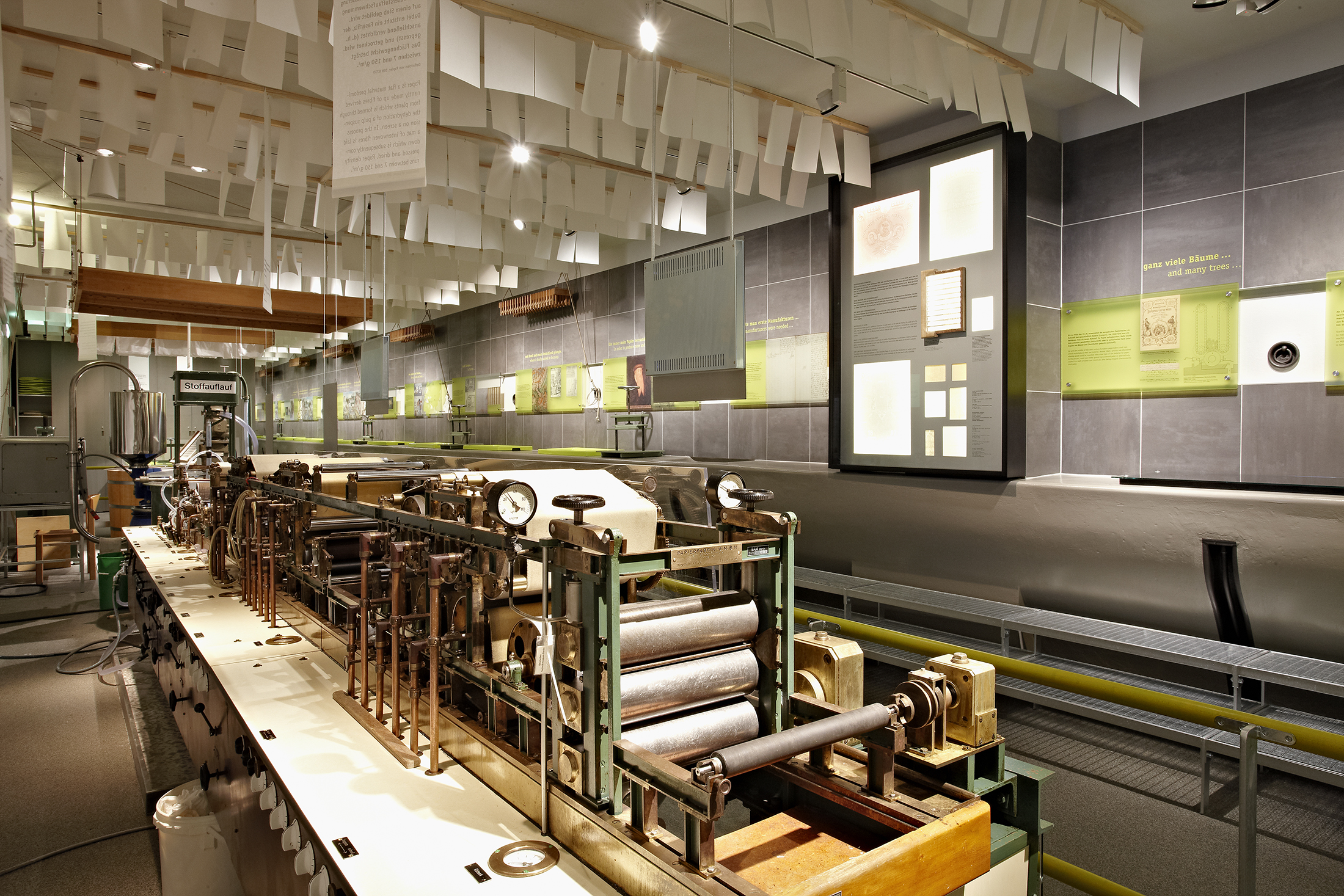
From Packaging to Responsibility: Paper and Sustainability
The paper industry distinguishes between four product categories: cardboard and paperboard for packaging, graphic papers, tissue papers, and specialty papers. Most paper is used for packaging. To protect the environment, plastic packaging is increasingly being replaced by paper packaging, but even this consumes resources. Zero-waste solutions are more sustainable — that is, materials where waste is consistently avoided whenever possible. The goal is to produce and recycle paper in a way that is as climate-neutral as possible.
When shopping, you can identify environmentally friendly paper by the FSC logo, the Ecolabel, and the Blue Angel. Currently, five European paper mills have been in the process of becoming UNESCO World Heritage Sites since 2018.
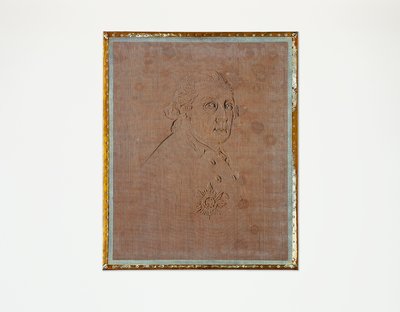
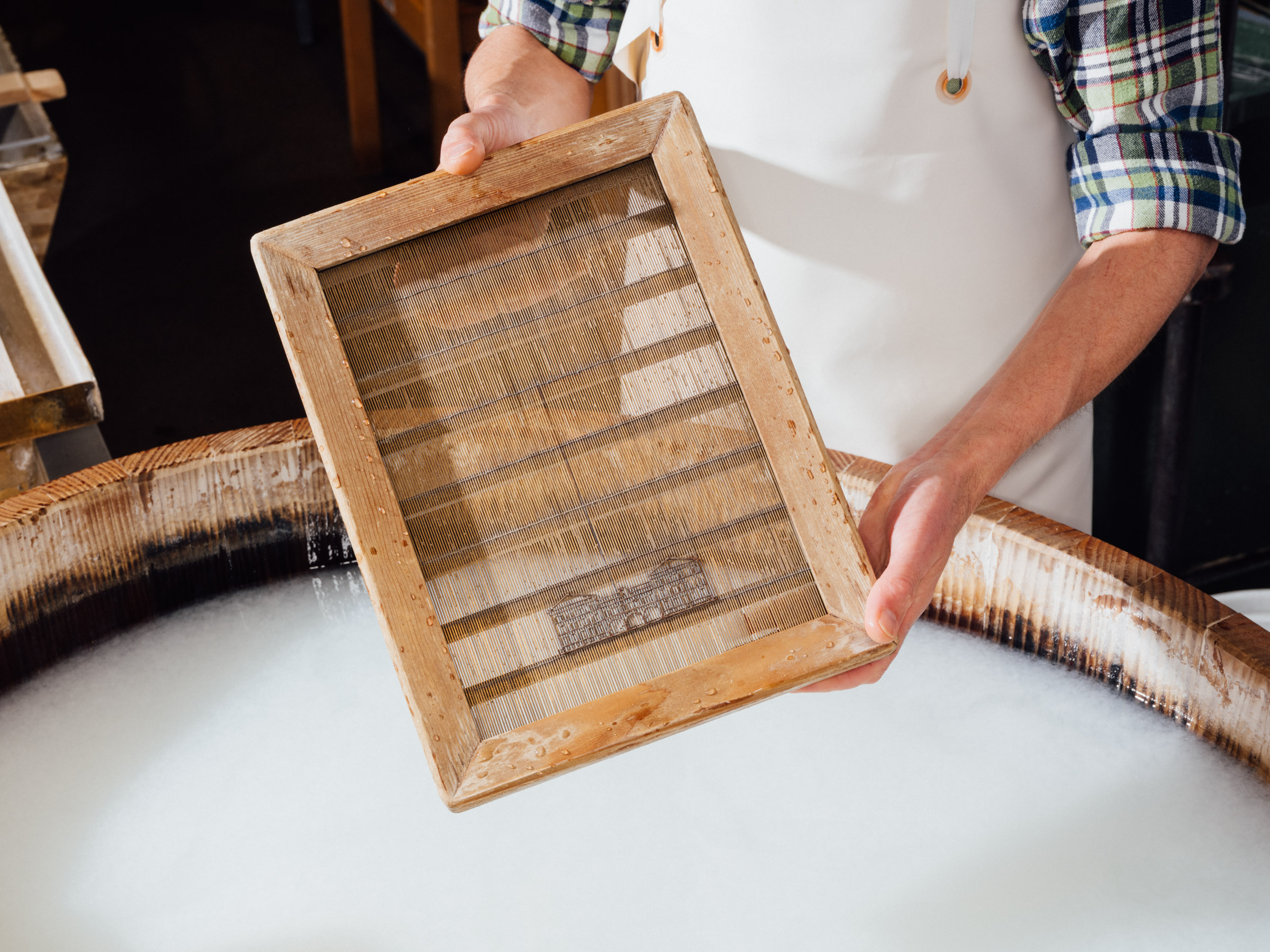
Ladle With a Watermark of Frederick the Great
The cellulose fiber pulp is scooped out of the vat using a scoop screen. The water drips through the screen, and the solid fibers remain on the screen. What makes this screen special is that it is suitable for creating a multi-stage watermark — in this case, featuring an image of Frederick the Great. The metal screen has raised and recessed patterns. Less fiber remains in the raised or elevated areas, while more remains in the recessed areas. As a result, the paper is either thinner and more translucent in some places, making it appear lighter, or it is denser in the recessed areas, making it appear darker.
Ebart Brothers, 1910
SDTB/ Photo: C. Kirchner
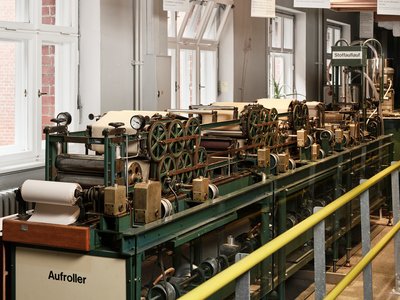
Long-Screen Pilot Paper Machine
The laboratory paper machine was used for many years at the Federal Institute for Materials Research and Testing (BAM) in Berlin. In 1987, the Deutsches Technikmuseum received it as a donation. In 2008, the machine underwent extensive restoration and repair. It vividly illustrates all stages of industrial paper production to visitors.
1960, Donated by: Federal Institute for Materials Research and Testing
SDTB/ Photo: bullahuth
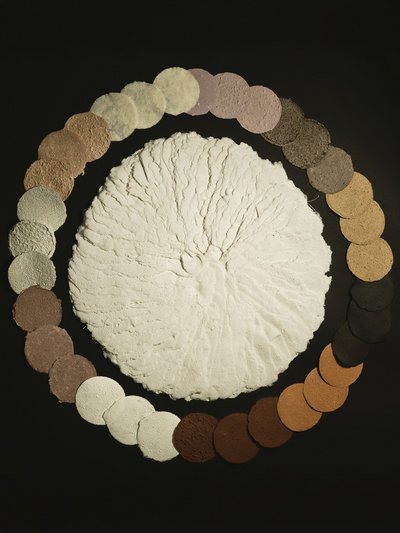
Fungi Paper Mykobütten Agaricales album, Tanja Major, 2024
The artwork “Agaricales album” depicts the underside of a white gilled mushroom. The colored mushroom papers are made from different species of mushrooms. The paper is produced from the fruiting bodies of the mushrooms; although it does not contain cellulose, the chitin in the mushrooms is suitable for papermaking. The papers are handmade, compostable, and sustainable. Tanja Major’s paper art highlights the fragility of nature, the interconnectedness of various living beings, and alternative, water- and energy-efficient methods of paper production.
Inv. No. 1-2024-0860
SDTB / Photo: bullahuth
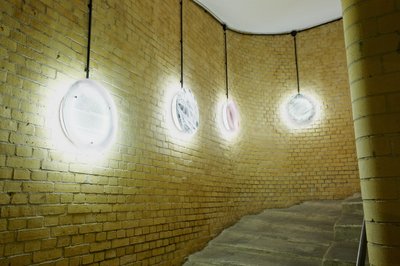
Horse Stairs
In the past, the old building that now houses the museum was a facility belonging to the “Gesellschaft für Markt- und Kühlhallen” (Market and Cold Storage Halls Association) of the Carl Linde company. Surrounding the inner courtyard were ground-level parking areas for horse-drawn carts and cabs that distributed ice pops throughout the city. The first and second floors housed horse stables. But how were the animals supposed to get there?
The staircase is designed in a way that pack animals can use it. The steps are sloped, and the spacing between them is reduced. On the ground floor and halfway up the stairs to the first and second floors, respectively, there were restrooms and a freight elevator that could be used to transport horse feed and hay up to the attic.
SDTB/ Photo: bullahuth