This website uses cookies

This website uses cookies to improve user experience. By using our website you consent to all cookies in accordance with our Cookie Policy.

Essential cookies enable basic functions and are necessary for the website to function properly.
Statistics cookies collect information anonymously. This information helps us to understand how our visitors use our website.
Marketing cookies are used by third parties or publishers to display personalized advertisements. They do this by tracking visitors across websites.
Jump to main content
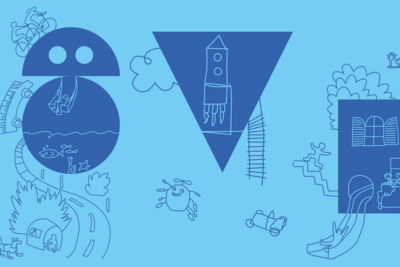
The key visual for the exhibition "SuperCity 3000: Our City of the Future," featuring graphics on a blue background that depict children's visions of the city of the future.

SuperCity 3000

8.6.2026 — 27.9.2027

SuperCity 3000

What's it About?

An exhibition by children for children: “SuperCity 3000. Our City of the Future” is on display at Ladestrasse until June 27, 2027.

The City Belongs to Children!

What will life be like in the city of the future? “SuperCity 3000: Our City of the Future” addresses a highly topical and socially relevant issue, as urban planning is a pressing challenge of our time that shapes every aspect of people’s lives. Already today, 90 percent of children in Germany live in urban areas. Their voices must therefore be given greater consideration in urban planning.
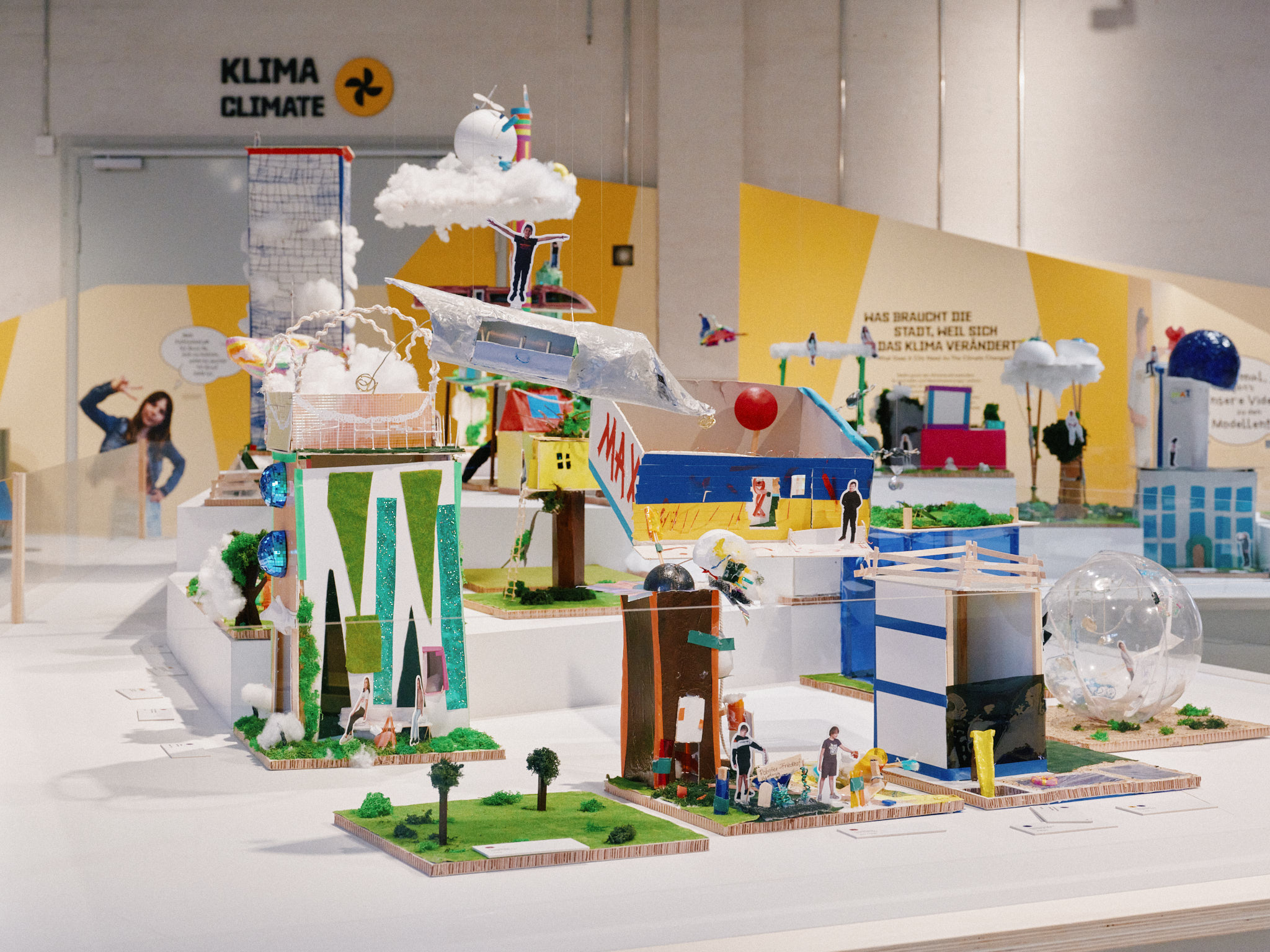
Colorful models of a “city of the future” form the centerpiece of the exhibition in the museum’s Ladestraße.
The models created by elementary school students depicting their “City of the Future” form the centerpiece of the exhibition in the museum’s Ladestraße gallery. SDTB/ Photo: Ériver Hijano 1/1

In the exhibition “SuperCity 3000: Our City of the Future,” children therefore had—and still have—the same rights as adults. Staff at the German Museum of Technology developed the exhibition together with 60 children, our future curators. The models these children from four Berlin schools built for the exhibition take center stage in the exhibition space. Spanning 500 square meters, the space showcases innovative ideas and new technological developments designed to make city life better for everyone in the future.
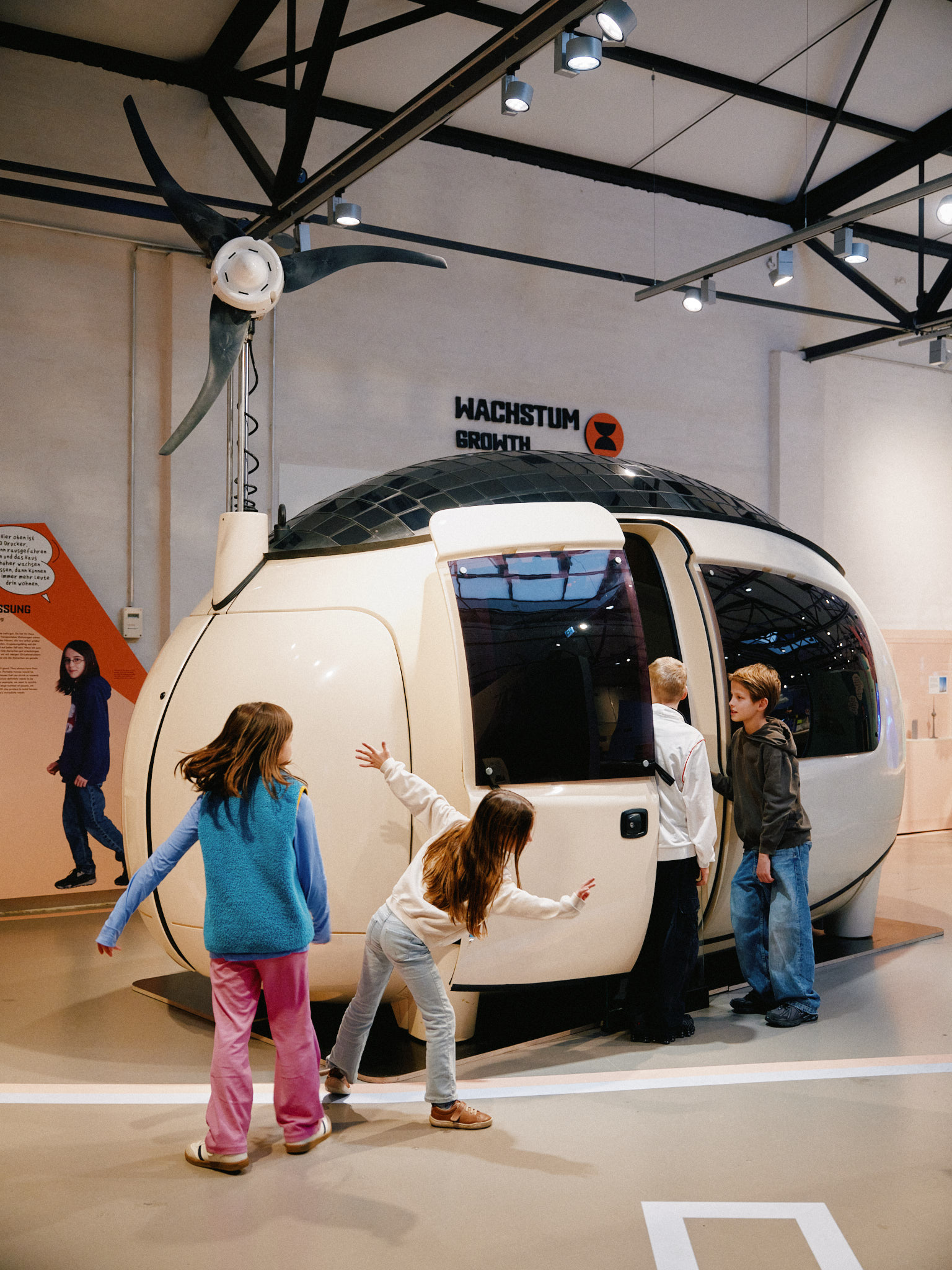
A so-called "House-egg" is a small, round, white house equipped with everything necessary for daily life. It even generates its own electricity from wind and solar power.
This round little house could be set up anywhere in the city where a small apartment is needed quickly. This “Ecocapsule” requires no water or electricity connections. It features cooking and sleeping accommodations as well as a toilet, and is powered by renewable energy. SDTB/ Photo: Ériver Hijano 1/1

Try it Out and Get Involved

Throughout the exhibition, there are interactive stations that invite visitors to explore the theme in greater depth. Visitors can play with the Invisible Shield, which visually teleports them to another location; gather on the conversation bench, which encourages interaction with others; or get creative by building their own models of the city of the future using sand and other materials.
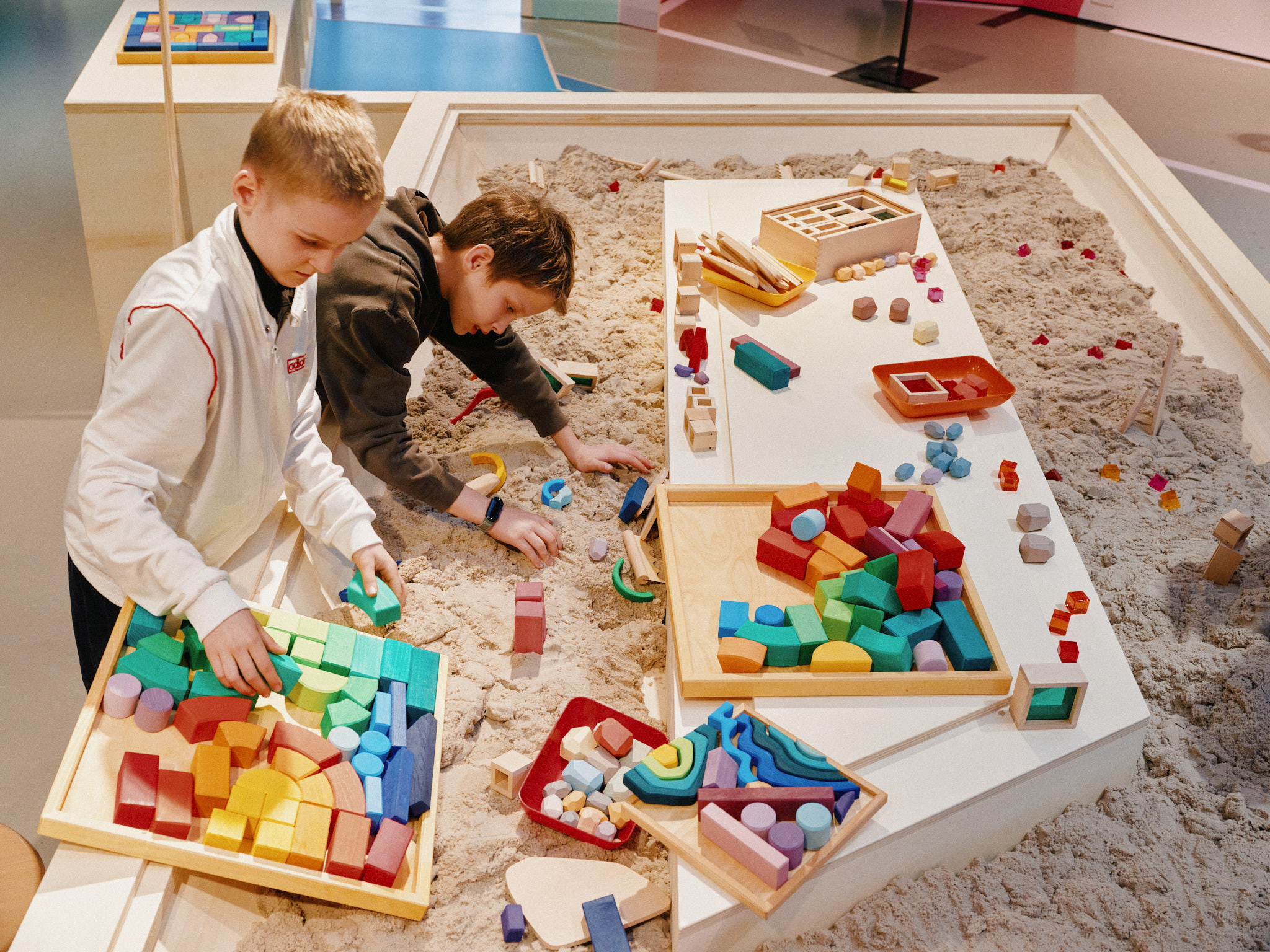
There are many colorful building blocks in a large sandbox. Two boys are building a small town using the sand and the building blocks.
Using kinetic sand and colorful building blocks, children and adults can work on their own or in workshops to bring their ideas for a livable city of the future to life. SDTB/ Photo: Ériver Hijano 1/1

Let's Make Our City Better!

The ideas developed through a participatory process involving 60 future curators are divided into six sections in the exhibition: Space, Growth, Resources, Nature, Climate, and Community. These sections address the various questions the children explored in their work for the exhibition. Fantastic ideas like time travel and flying cars seem to belong to a distant future. The exhibition draws comparisons and takes a closer look.
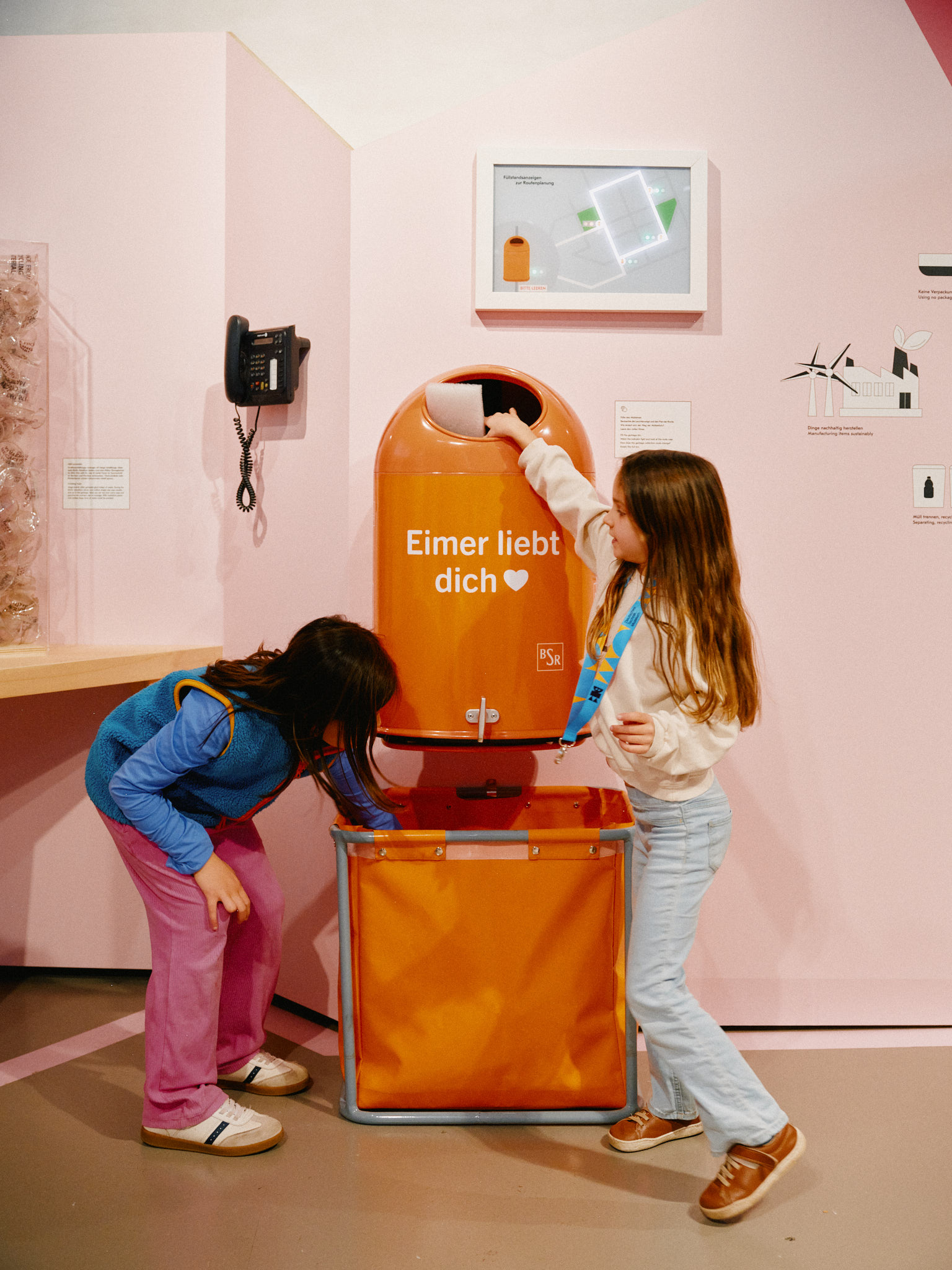
An orange trash can with the words “Eimer Loves You” on it. Two girls are filling the trash can, including an orange bag that catches the trash as it’s emptied. Behind it is a display that shows when the trash can is full.
A smart trash can uses a sensor to signal when it is full and needs to be emptied. Children can try this out for themselves at the exhibition. SDTB/ Photo: Ériver Hijano 1/1

How Can We All Live Well in The City?

We asked ourselves: How can the city accommodate more people? What keeps the city running? What does the city need as the climate changes? How can we live well together in the city? How can all living beings find their place in the city?

Plants and animals belong in the city just as much as people do. But they are usually given less space. The exhibition organizers have given this some thought, and steps toward a future in which cities are home to more plants and animals are also becoming evident in politics, research, and the construction industry.
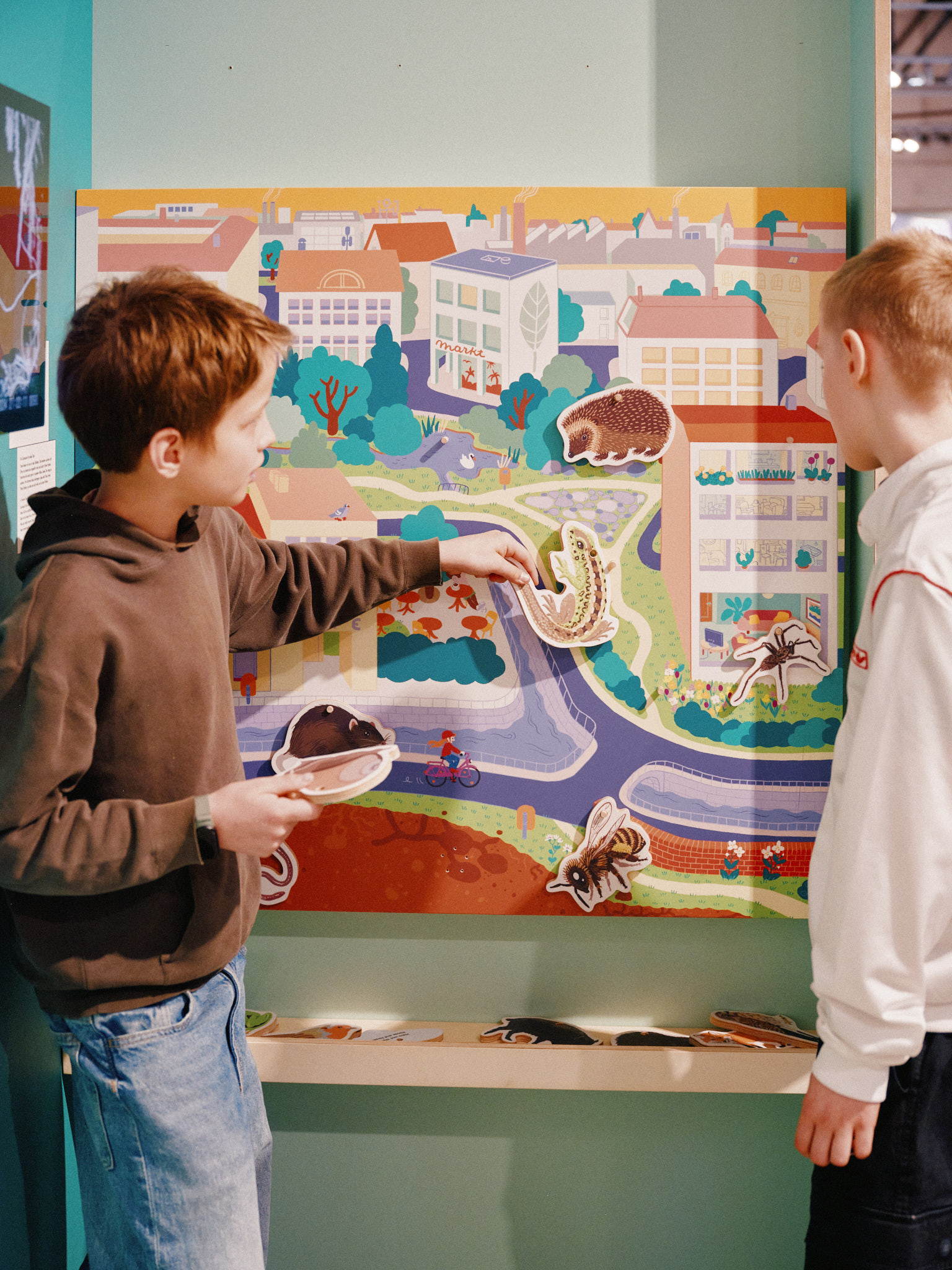
Various animal figures can be attached to different spots on a colorful cityscape. Two boys are trying it out.
Does the lizard feel at home on the street? Or the hedgehog on the balcony? At this interactive station with audio commentary, children can learn which urban environments are ideal for which animals. SDTB/ Photo: Ériver Hijano 1/1

The Future is Wide Open — We Can Help Shape it!

The exhibition especially invites children to participate in the democratic process shaping the city’s future and offers insights into how this can be achieved even at a young age. The future starts now—let’s shape it together!

In addition to the hands-on activities in the exhibition, there are bookable workshops for elementary school classes as well as programs for small family groups on weekends and during school breaks.

Duration: March 27, 2026, to June 27, 2027
Schirmherrschaft

Logo of the Federal Ministry of Housing, Urban Development, and Construction.

Medienpartner

GEOlino logo, green and red.
"Himbeer. Berlin mit Kind" logo, pink and black.